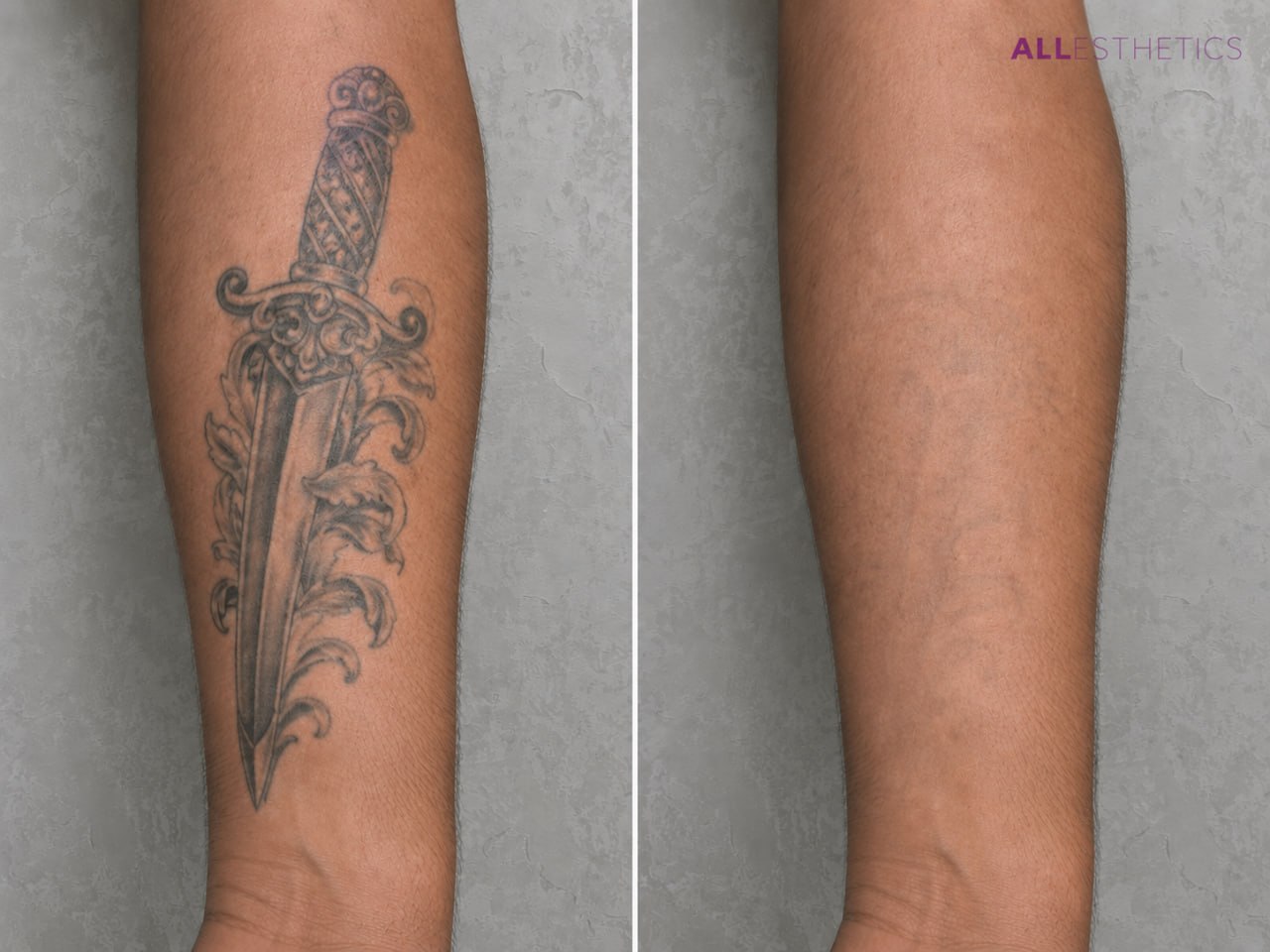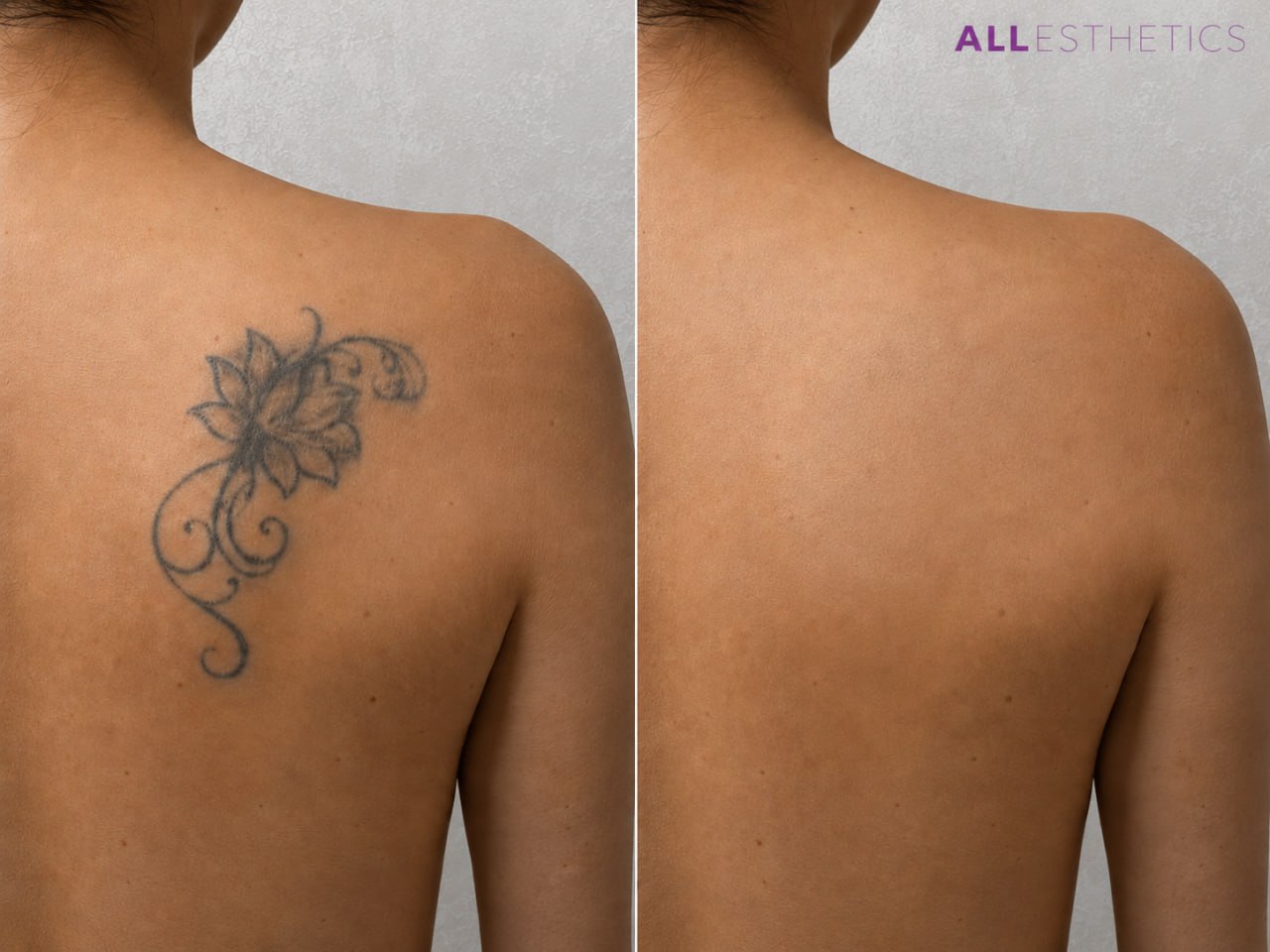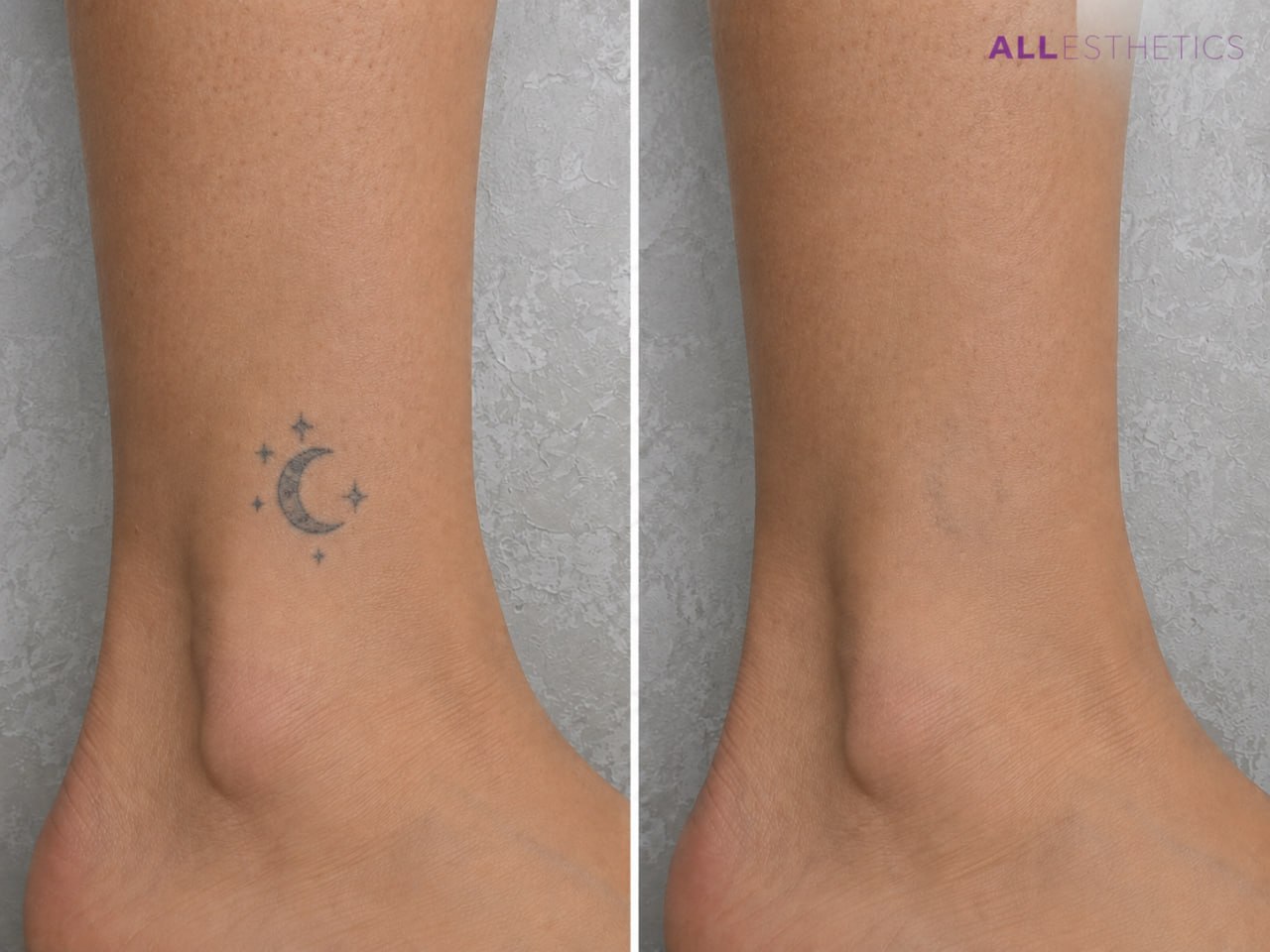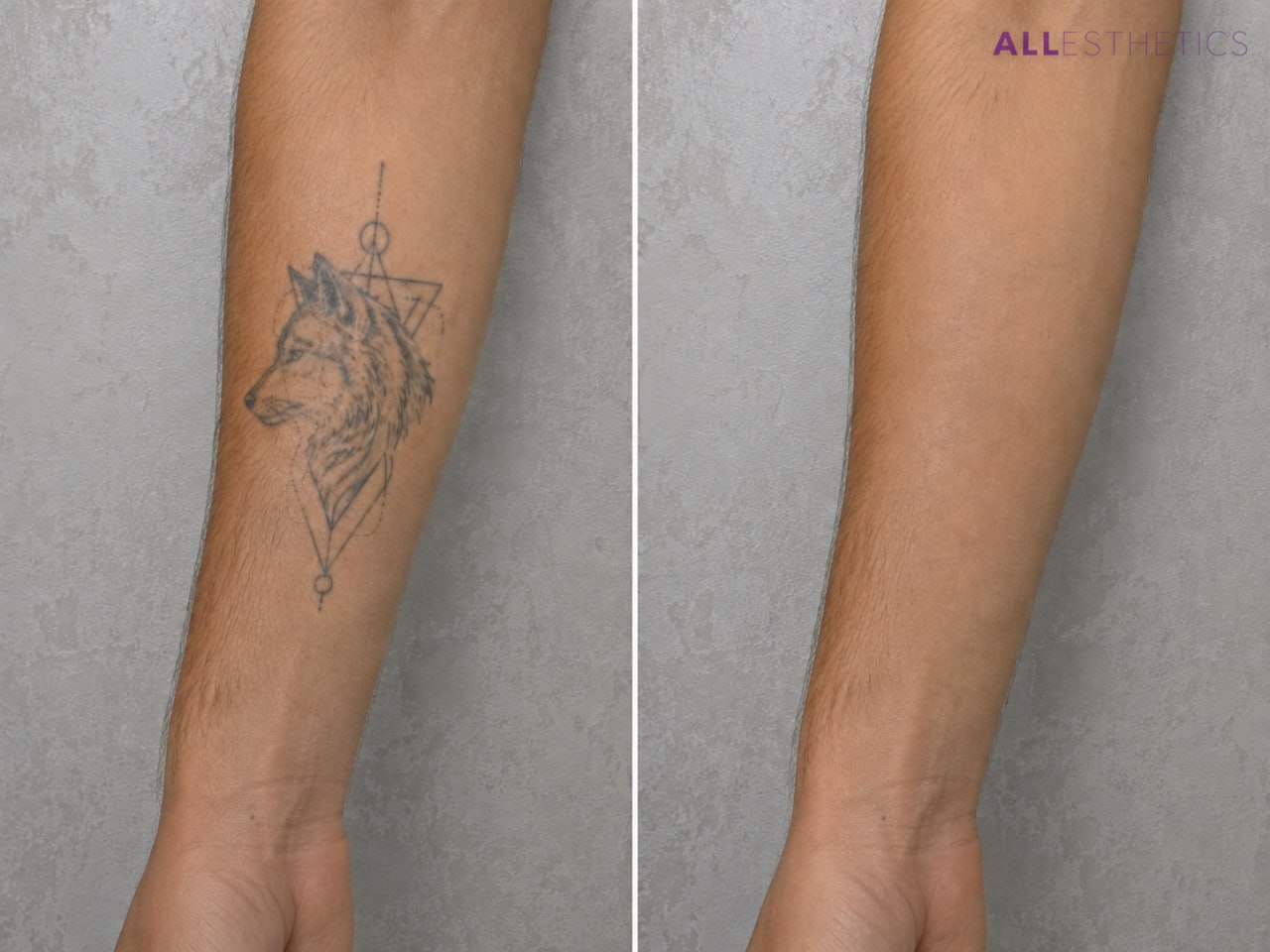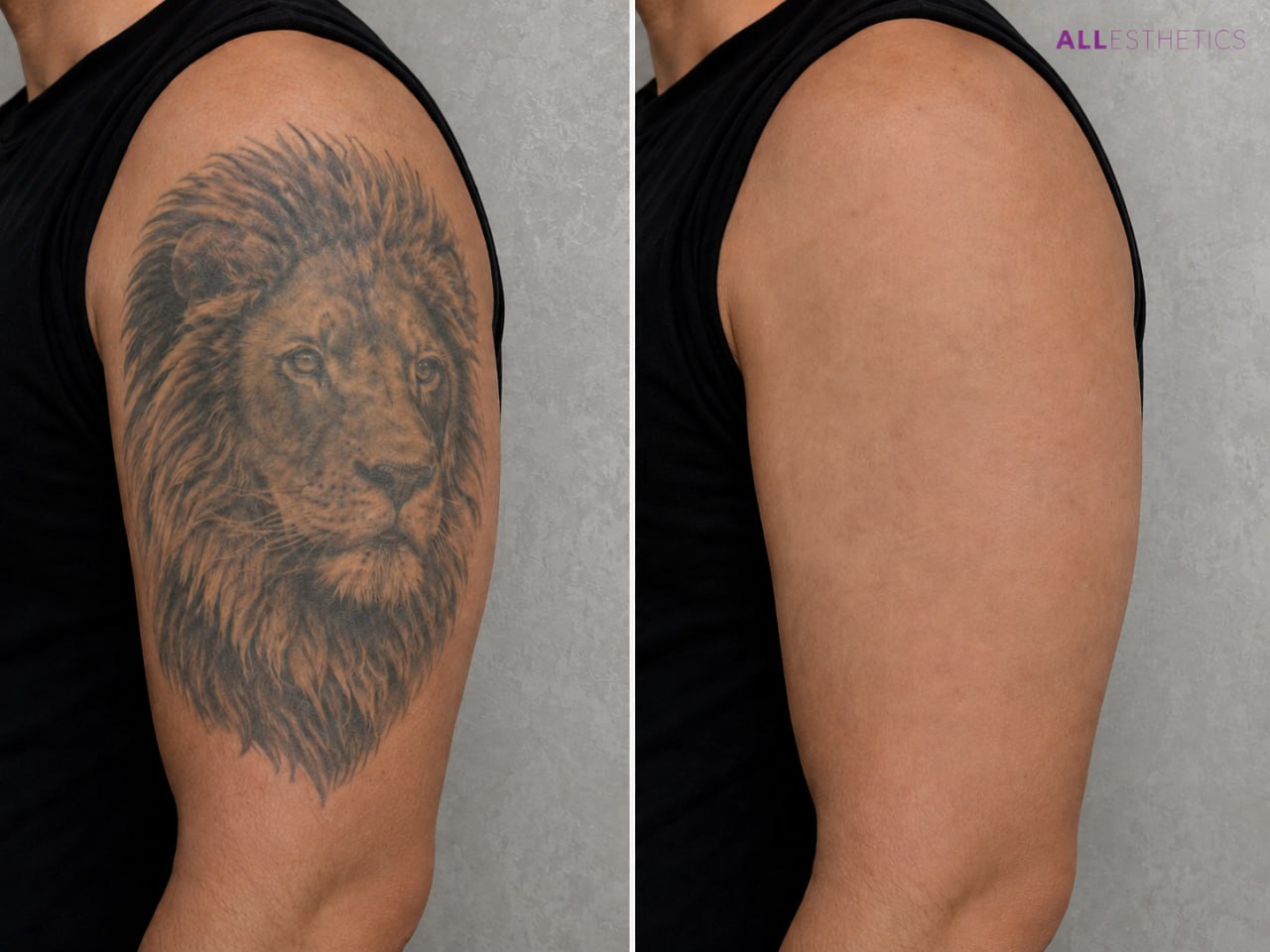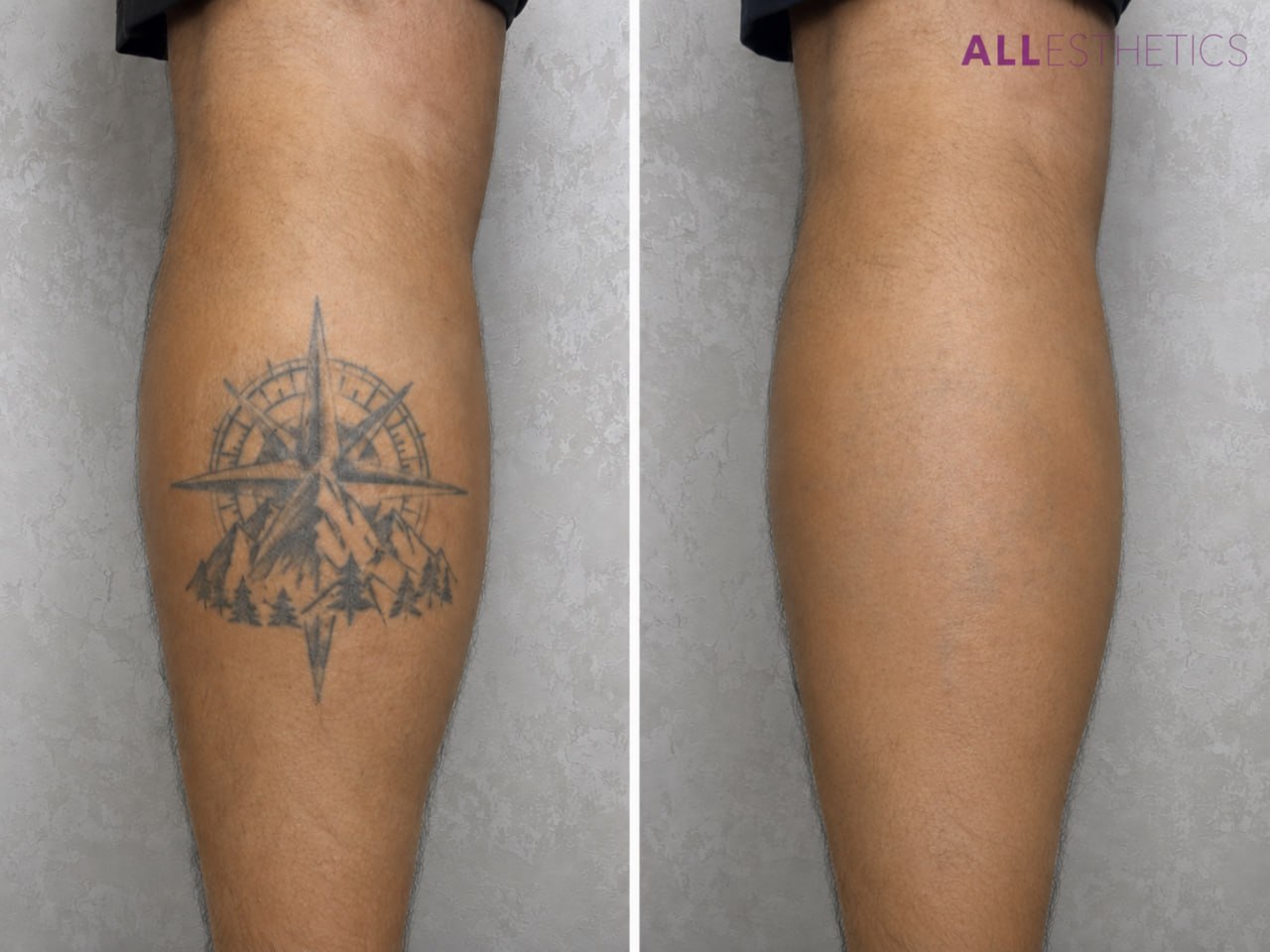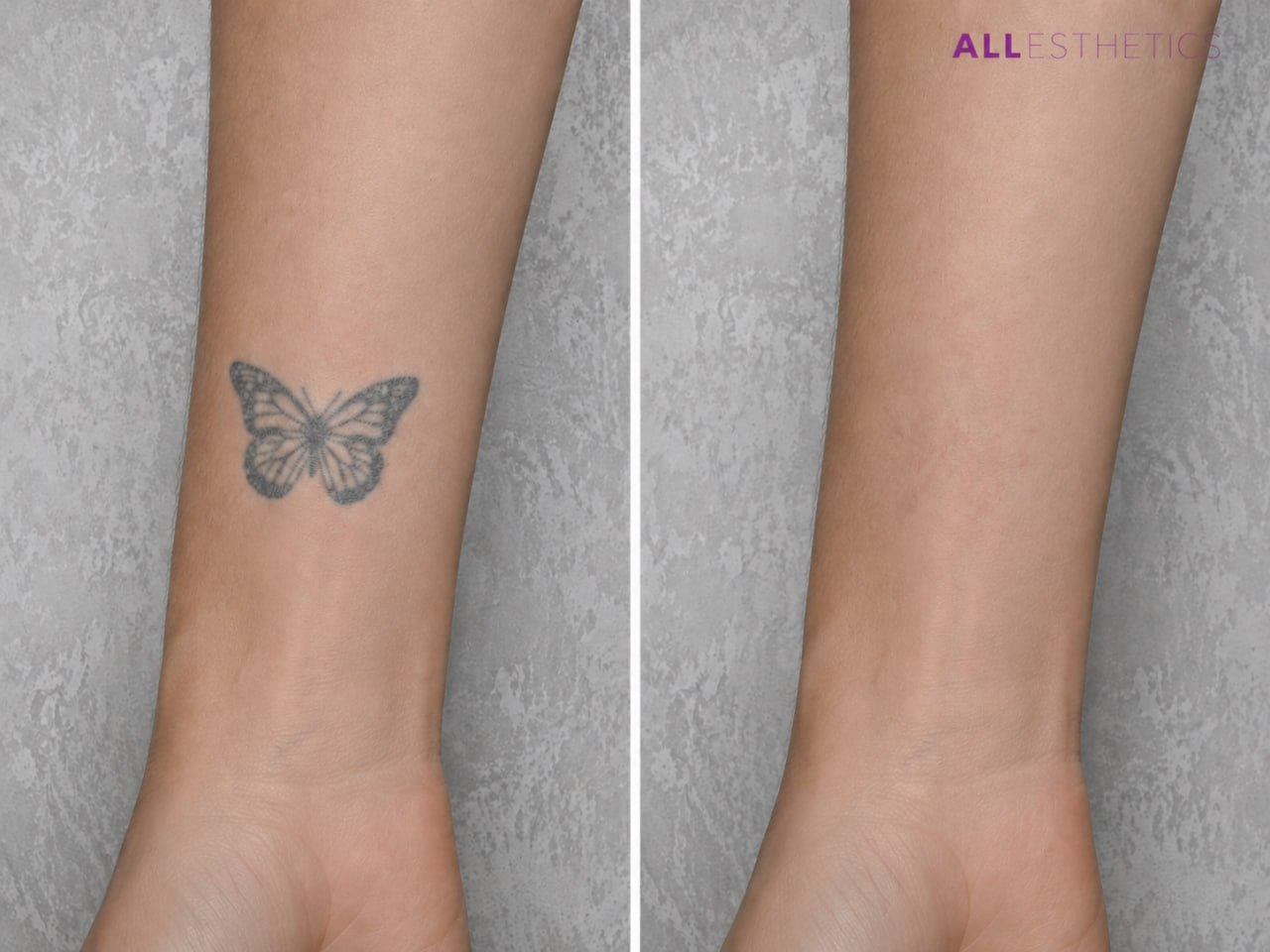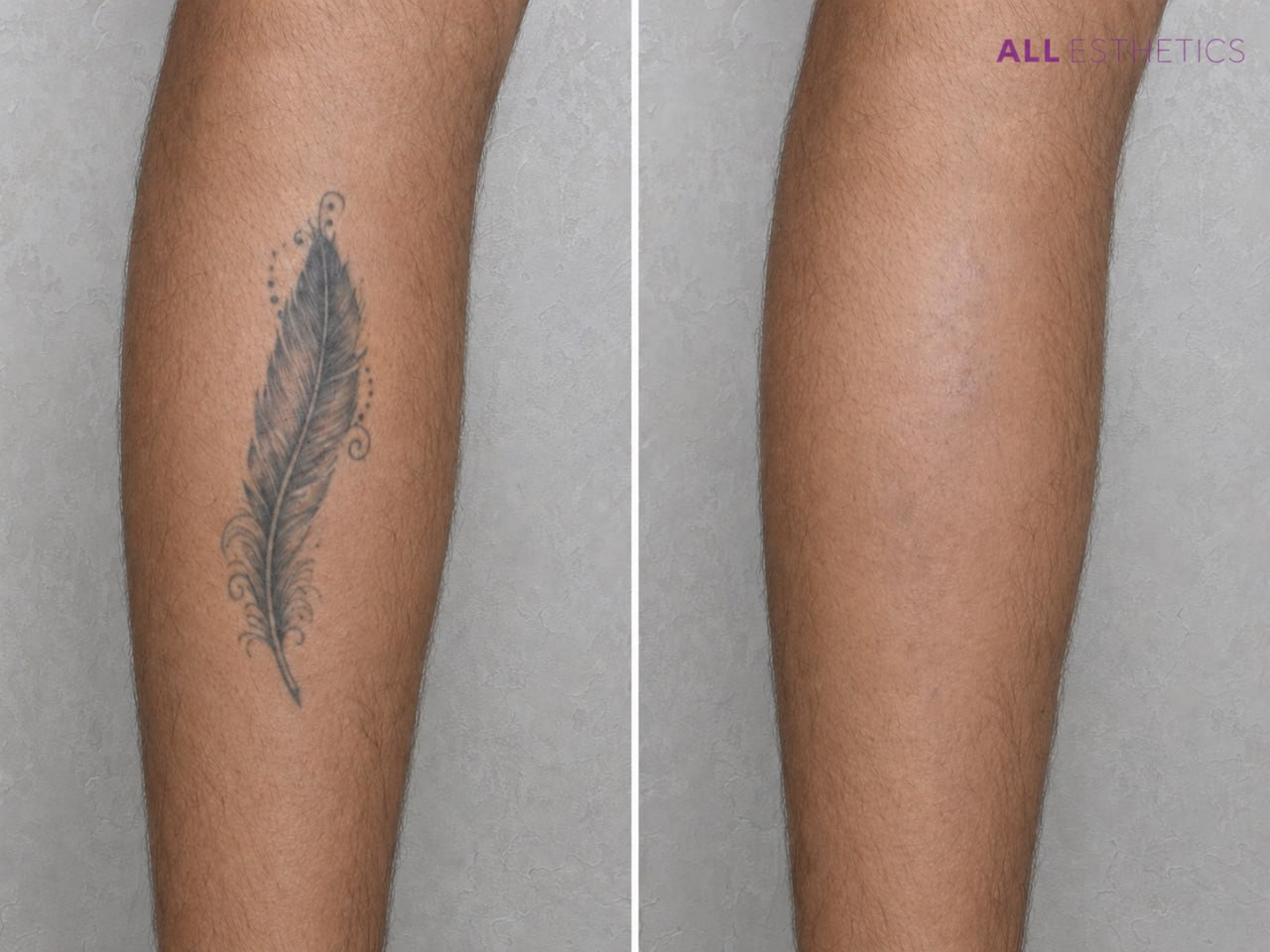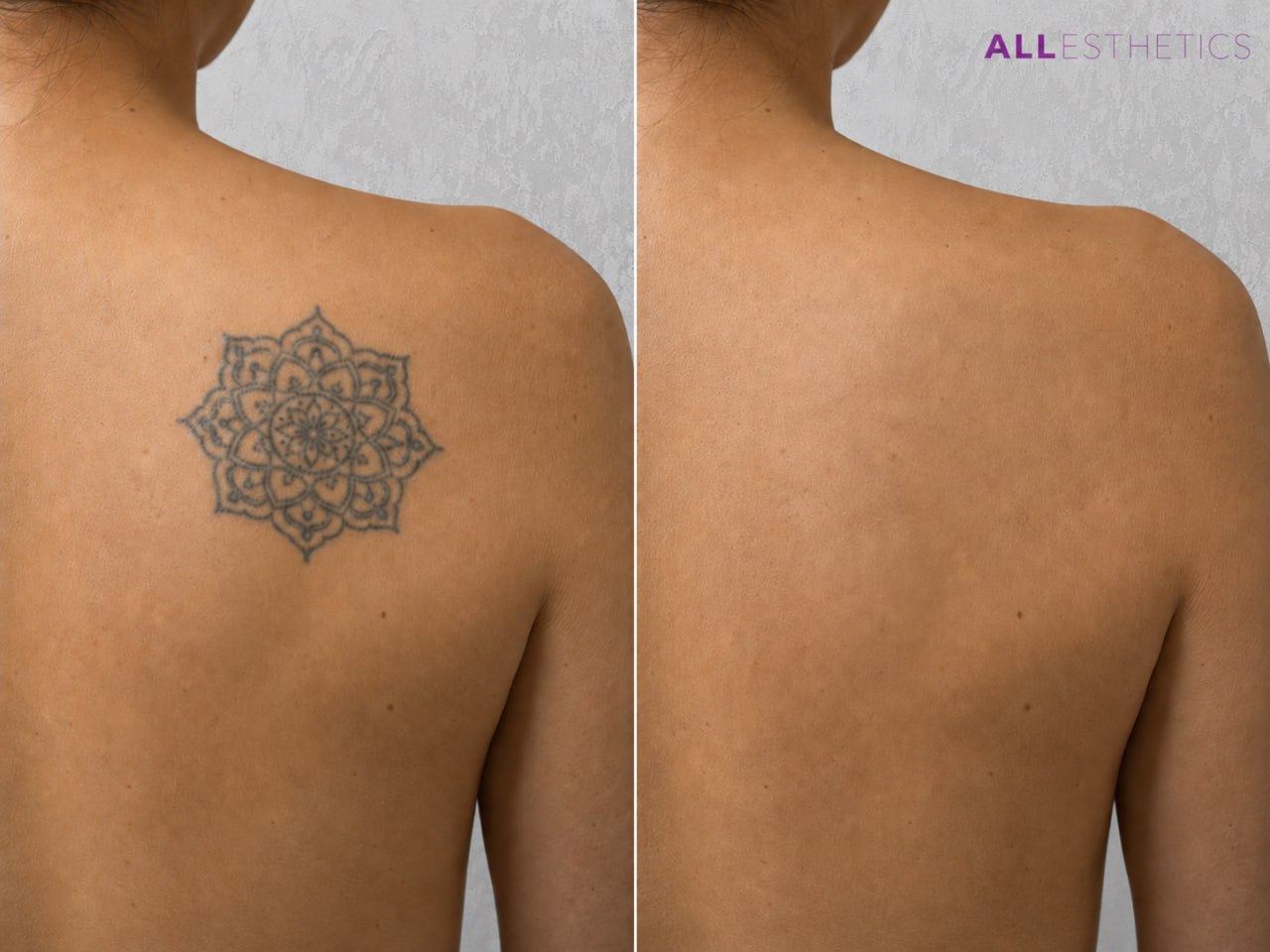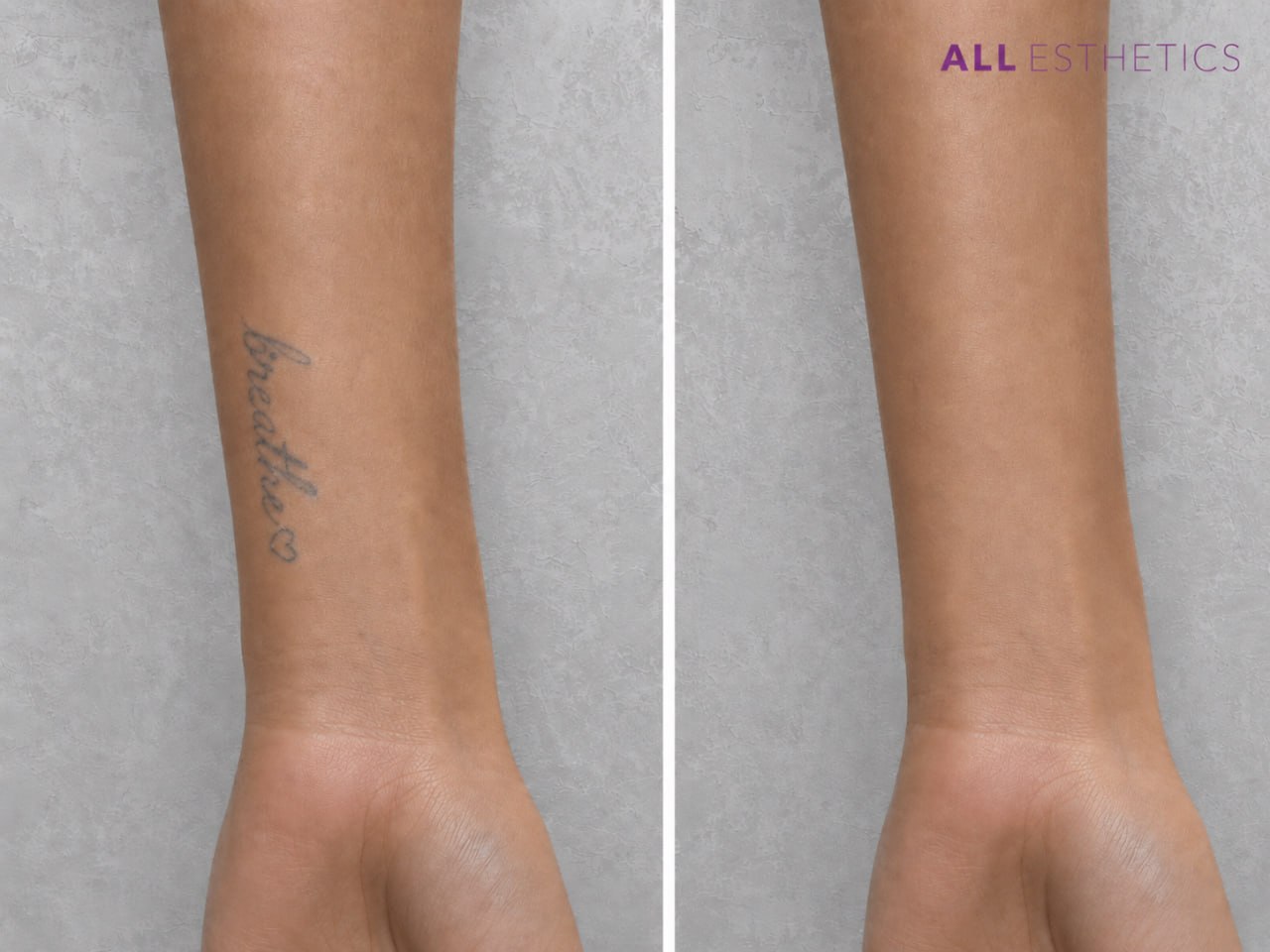
Remove unwanted tattoos with advanced Pico laser treatment in Floral Park, NY, just a short trip from Long Island and nearby NYC. At All Esthetics, we help clients fade or remove old, unwanted tattoos, including cases where lightening is needed for a future cover-up. Your treatment starts with a personalized consultation to assess the tattoo’s size, ink colors, placement, and expected number of sessions. We create a realistic plan based on your skin and goals, with before and after guidance and clear next steps. Book your Laser Tattoo Removal consultation today and start moving toward cleaner, clearer skin.
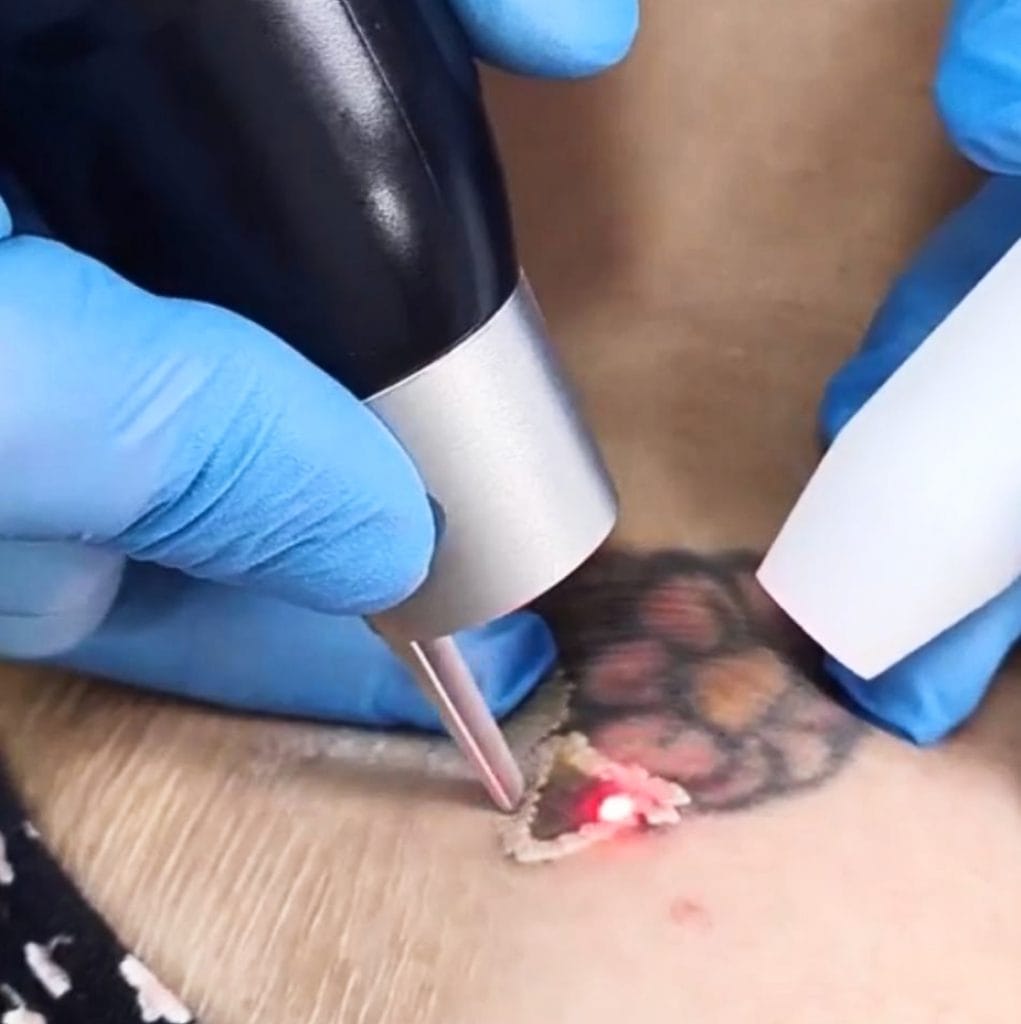
Laser tattoo removal is a non-surgical treatment that uses concentrated pulses of laser energy to target unwanted tattoo ink in the skin. The laser breaks the pigment into much smaller particles, and your body gradually clears those particles away over time through its natural immune response. Modern tattoo removal is typically performed with Q-switched or picosecond technology, and picosecond lasers are widely used because they can shatter ink more efficiently and may reduce the number of treatments needed in some cases.
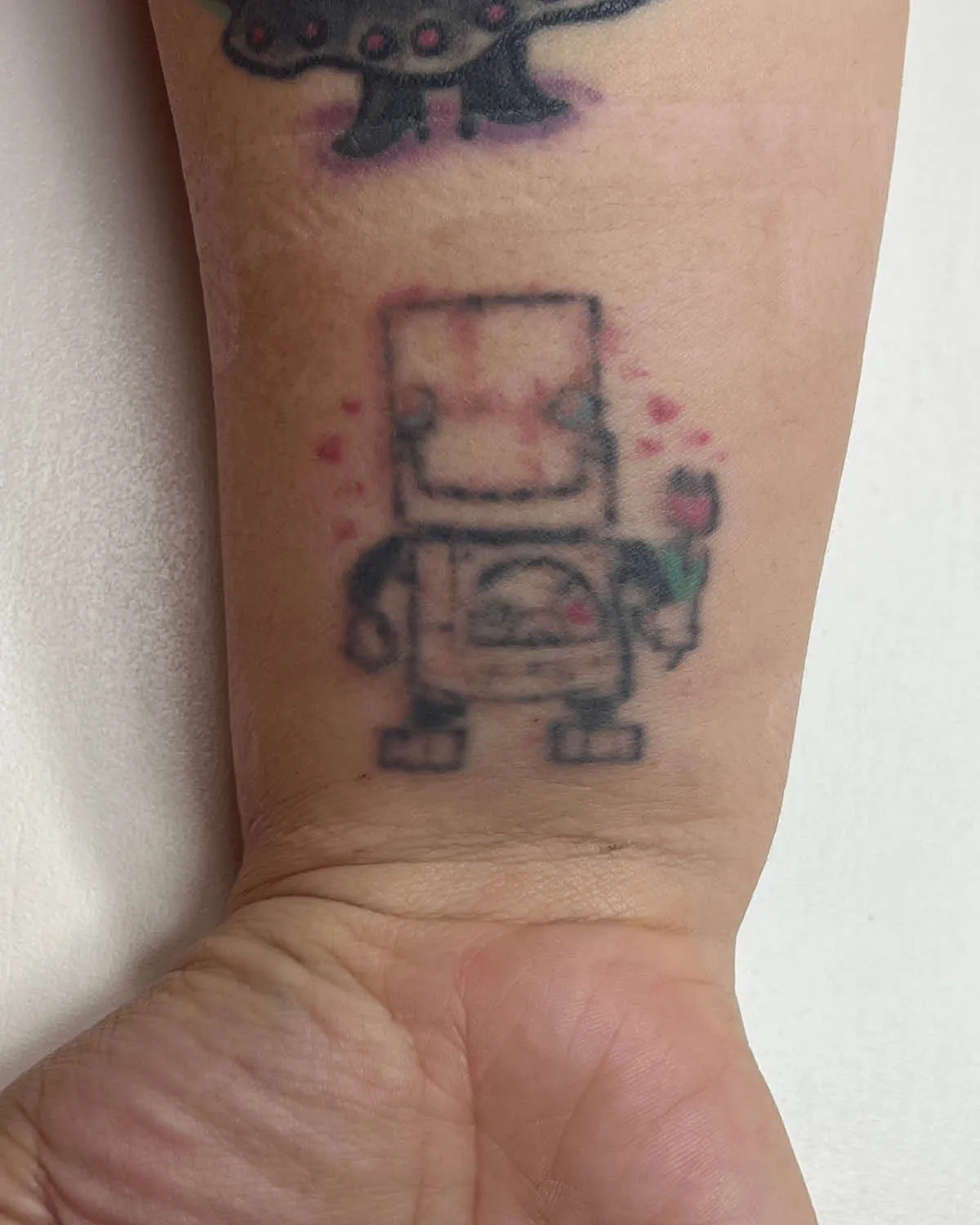
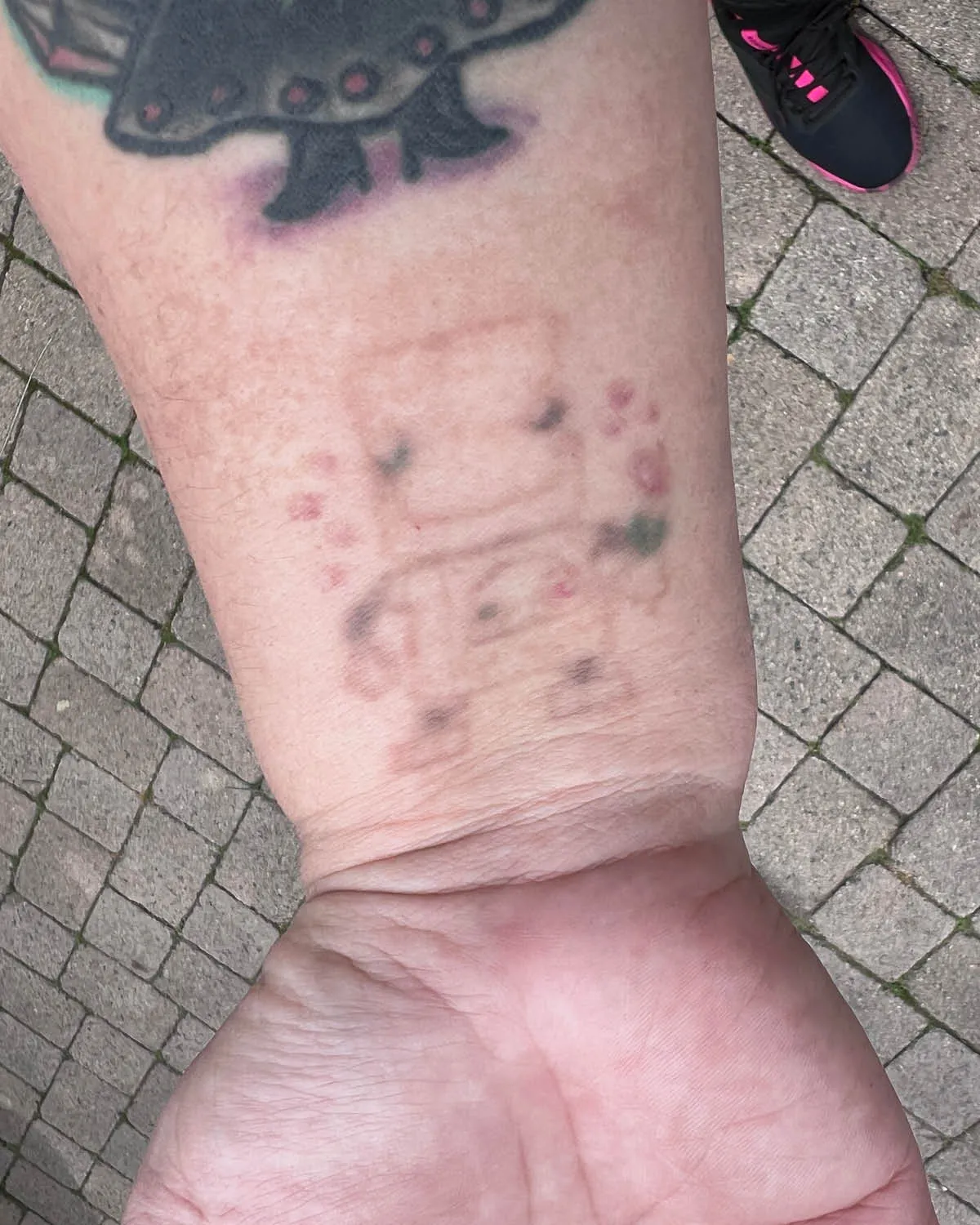
We accept clients in a convenient location near you: Floral Park, NY. Our studio is easily accessible from all nearby cities in Nassau County and Long Island, including: Hempstead, Mineola, Garden City, Freeport, and Commack.
You can also easily reach us from Manhattan, Queens (Corona, Jamaica, Rego Park), Bronx, and Brooklyn. We are located just 30 seconds away from the Floral Park LIRR Station 🛑 and accessible via bus lines N24 and Q36.
For more information:
☎️ 718-839-4494 (English)
📞 646-355-5259 (Spanish)


Drawing size
Location of the image
Color, pigment type
Skin type
Laser wavelength
Laser tattoo removal at All Esthetics is approached as a precision treatment, not a one-size-fits-all beauty service. Every tattoo responds differently based on ink color, depth, age, placement, skin tone, and your long-term goal, which is why each client begins with a detailed individual assessment before treatment starts.
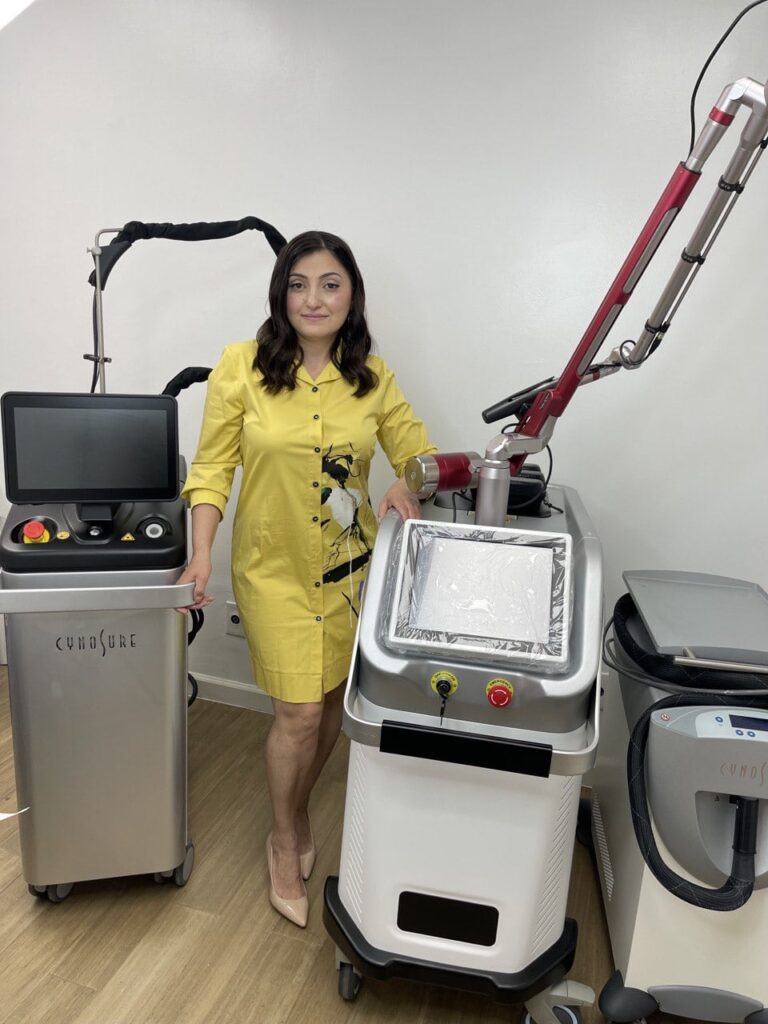
With 21 years of experience in the beauty industry, Ella Pill combines advanced aesthetic expertise with a careful, consultation-based approach to unwanted pigment and corrective work. This matters in laser tattoo removal because safe and effective results depend not only on the device itself, but also on proper treatment planning, controlled settings, and realistic expectations.
Our studio is known for high standards of professionalism, precision, and safety. We work in a clean, sterile environment and use the advanced PICO #1 Laser Tattoo Removal Machine to target unwanted pigment with a modern, focused approach. Every treatment plan is tailored to the tattoo, the skin, and the removal goal - whether you want complete removal, gradual fading, or preparation for a cover-up tattoo.
We do not overpromise instant clearance. Instead, we create a personalized strategy designed to deliver visible fading while supporting skin recovery and reducing unnecessary trauma to the surrounding tissue.
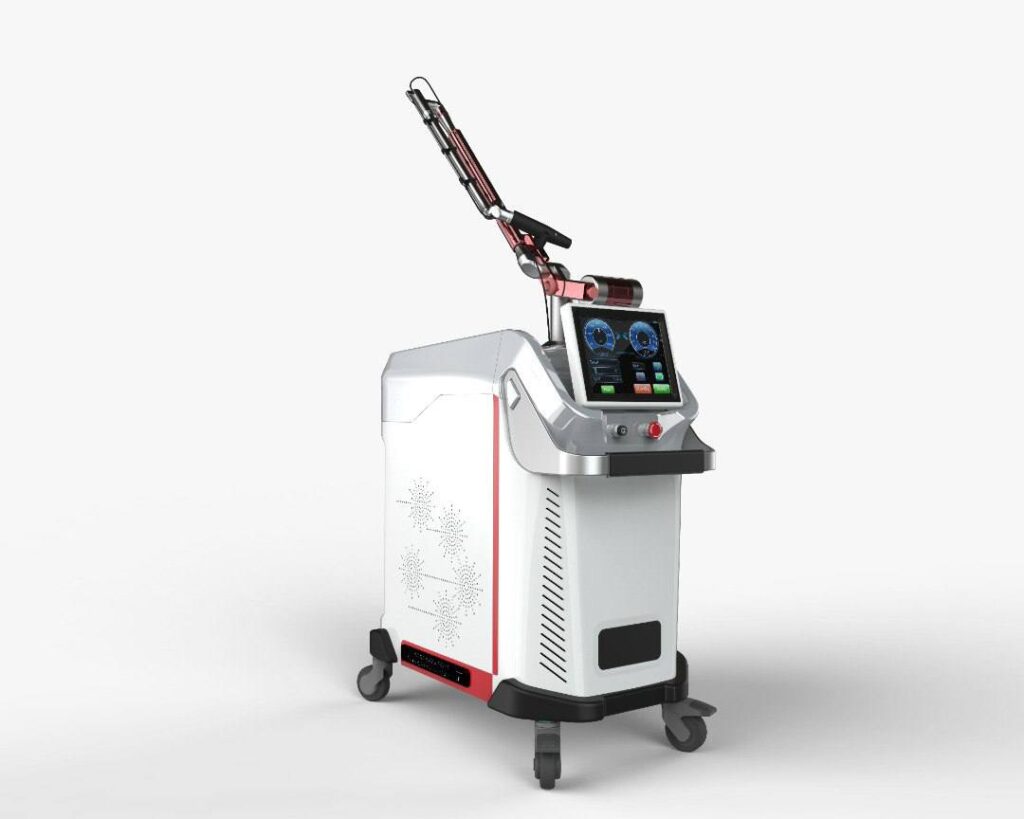
At All Esthetics, we use the PicoFocus® Laser – a cutting-edge picosecond technology designed to shatter ink particles without damaging your skin. Unlike traditional lasers that rely on heat, PicoFocus uses ultra-short pulses to deliver a powerful mechanical impact.
Fewer Sessions, Faster Clearance While older lasers (Q-switched) often require 10–15+ sessions, PicoFocus shatters ink into microscopic "dust" particles that your body flushes away much faster. Most clients see significant results in half the time.
Effective on All Ink Colors Struggling with stubborn blue, green, or red pigments? PicoFocus operates at multiple wavelengths, making it highly effective even on complex multi-colored tattoos and "ghost" shadows that other lasers leave behind.
Maximum Safety & Minimal Heat PicoFocus delivers energy in picoseconds (one-trillionth of a second). Because the pulse is so fast, it doesn't overheat the surrounding tissue, significantly reducing the risk of scarring, burns, or "ghosting."
Comfortable Treatment & Quick Recovery The precision of PicoFocus technology means less trauma to the skin. You’ll experience less discomfort during the session and a much faster healing process between treatments.
Safe for All Skin Types From fair to dark skin tones, our PicoFocus settings are fully customizable to ensure safe and effective ink removal without affecting your natural skin pigmentation (Fitzpatrick Skin Types I-VI).


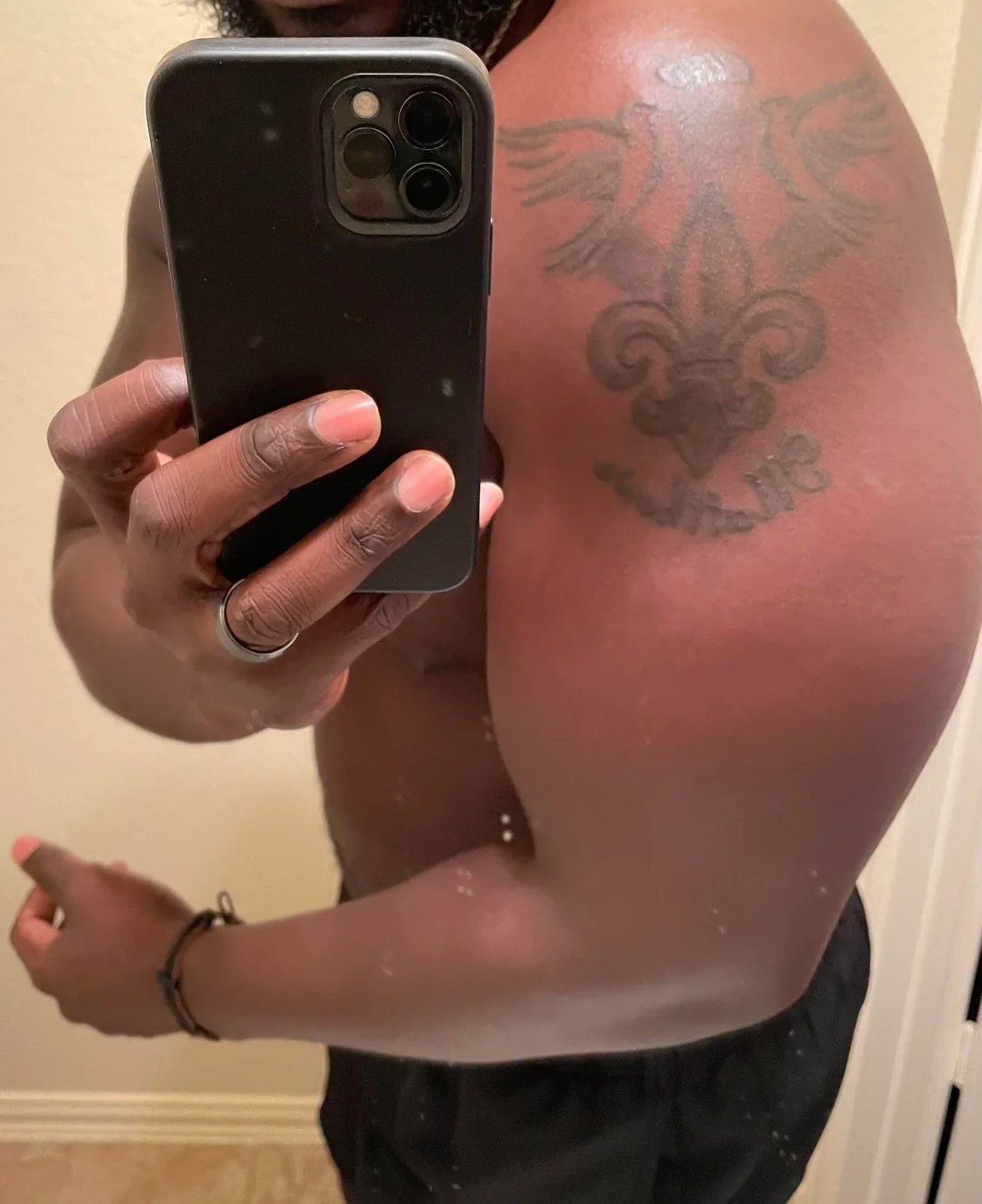
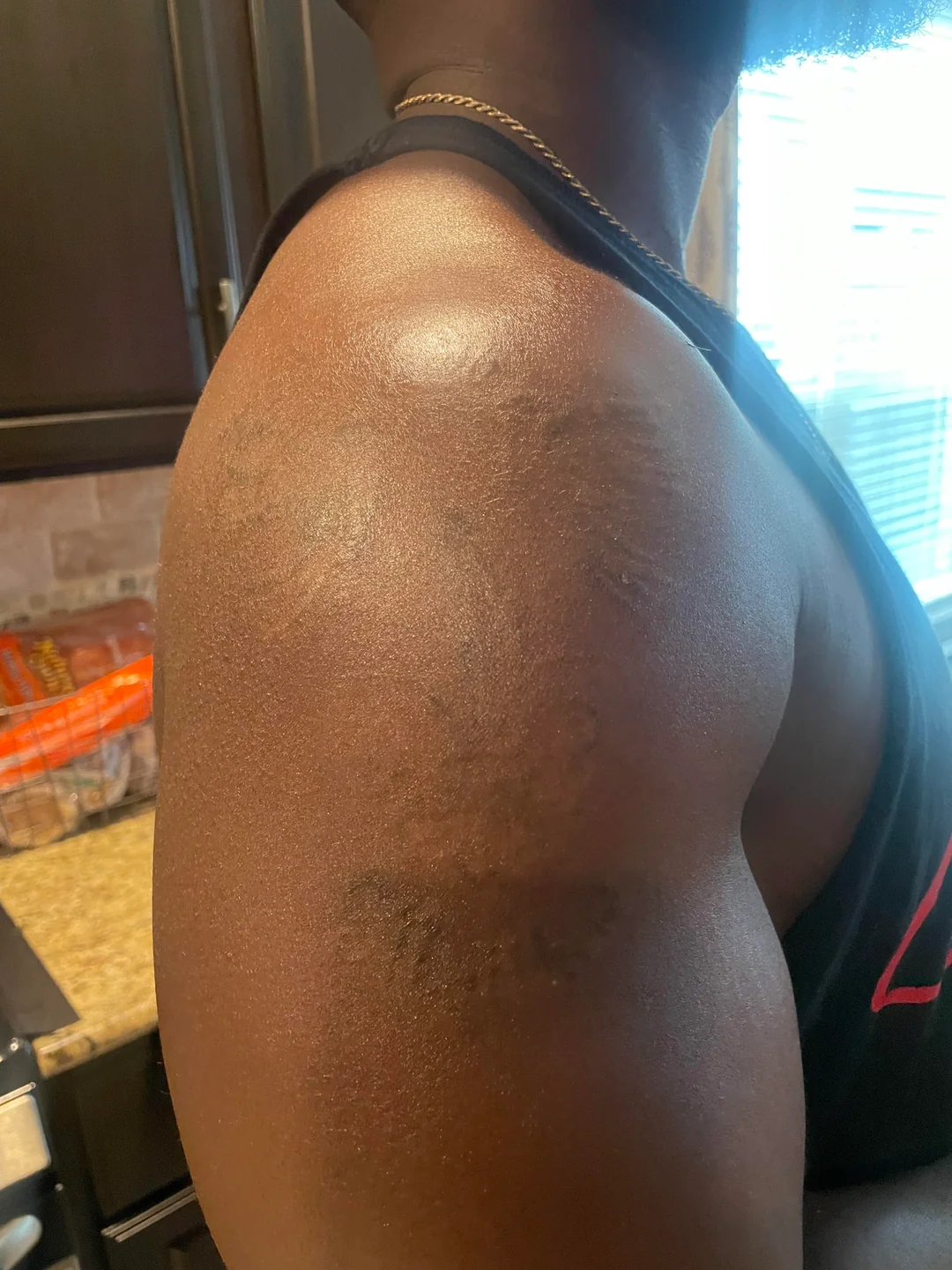


Laser tattoo removal is a great option for clients who no longer want an old tattoo, feel unhappy with how a tattoo looks today, or want to fade existing ink before getting a cover-up. This treatment is often chosen by people with faded, blurry, outdated, or misshapen tattoos that no longer match their style or professional image. It is also a strong fit for clients who do not need full removal, but want to lighten a tattoo enough to give a tattoo artist a cleaner base for new work.
Laser tattoo removal can be especially effective for people with black or darker ink, while multicolor tattoos may also be treated, although they often require a more gradual approach and additional sessions. During your consultation, we evaluate the size, colors, location, and age of the tattoo to determine whether full removal or progressive fading is the better option for your goals.
Tattoo removal is a staged process that can take anywhere from one to two years. The duration of the course depends on many factors: the size of the tattoo, the depth of the pigment, the number of colors, ink density, and individual skin characteristics. Mandatory intervals are taken between the initial and subsequent procedures to allow the skin to heal and the body to clear the destroyed pigment. This is exactly why a consultation with a specialist is necessary before starting the course. It allows them to assess the tattoo and the skin’s condition to create the optimal removal plan.
Most clients need about 6 to 12 laser tattoo removal sessions for full removal, although some tattoos may fade in as few as 3 treatments, while others can require 20 or more sessions depending on the ink, size, age, placement, and how deeply the pigment was implanted. In general, small, simple tattoos may respond faster, while professional, larger, denser, or multicolored tattoos usually take longer to remove.
Treatment sessions are usually spaced about 6 to 8 weeks apart to give your skin time to heal and allow your body to gradually flush out the fragmented ink particles. Your timeline will also depend on your goal. Full tattoo removal typically takes longer, while lightening a tattoo for a cover-up may require fewer sessions. During your consultation, we assess your tattoo and create a personalized treatment plan with realistic expectations for fading, timing, and total sessions needed.
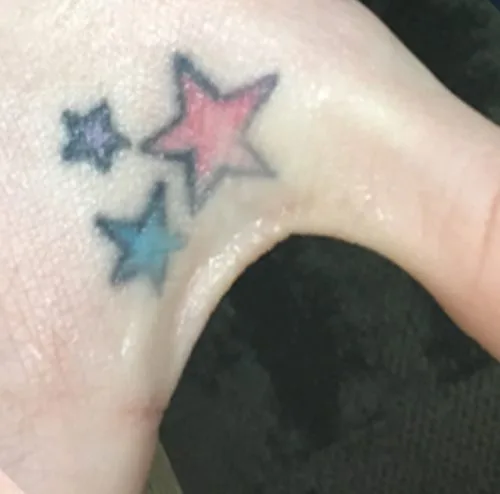
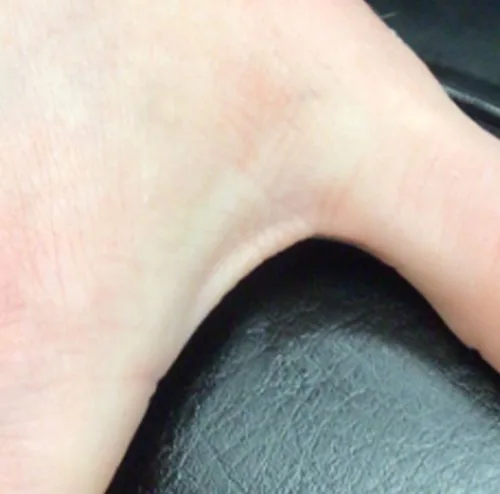
Your appointment begins with a personalized consultation and tattoo assessment. We examine the tattoo’s size, ink colors, placement on the body, and overall condition, while also reviewing your skin type, skin sensitivity, and relevant medical history to make sure the treatment plan is appropriate for you. This first step helps us understand whether your goal is full removal or lightening for a future cover-up.
Next, we take photos of the treatment area and create a plan based on the tattoo’s characteristics and your expected number of sessions. Before treatment begins, you will be given protective eyewear for safety. The laser is then applied to the tattooed area using settings selected for your skin and ink profile. After the session, we cool the treated area as needed and provide clear aftercare instructions to support proper healing. Before you leave, we discuss progress expectations and schedule your next session based on your recommended treatment timeline.
Most clients describe laser tattoo removal as uncomfortable rather than intolerable. The sensation is often compared to a quick snapping feeling against the skin, similar to a rubber band. The exact level of discomfort can vary depending on the size of the tattoo, the location on the body, your skin sensitivity, and the treatment settings used. To make the session more manageable, cooling methods may be used during or after treatment, and we will guide you on what to expect based on your tattoo and skin.
After the appointment, it is normal to experience redness, swelling, tenderness, and a warm sensation in the treated area. Some clients may also develop temporary blistering, scabbing, or mild irritation as the skin heals. In most cases, normal daily activities can be resumed soon after treatment, but the area should be treated with care. For a period recommended by your provider, it is best to avoid intense workouts, swimming pools, hot tubs, saunas, and direct sun exposure, since heat, friction, and UV exposure can interfere with healing. Keeping the area protected and following aftercare instructions closely is an important part of getting the best possible result.
Proper aftercare is an important part of the laser tattoo removal process and can directly affect how well the skin heals between sessions. After treatment, keep the area clean and dry, and follow any ointment or bandage instructions provided at your appointment. It is important to avoid picking, scratching, or rubbing the treated skin, even if mild scabbing, irritation, or blistering appears during healing.
You should also avoid direct sun exposure on the treated area and protect the skin carefully while it recovers. Once the skin has healed, daily SPF is strongly recommended to help reduce the risk of irritation and pigmentation changes. For the period advised by your provider, avoid swimming pools, hot tubs, saunas, and excessive heat, as these can interfere with healing. Pay attention to how the area responds after treatment, and monitor for redness, blistering, or prolonged irritation so the skin can recover as safely and comfortably as possible before your next session.
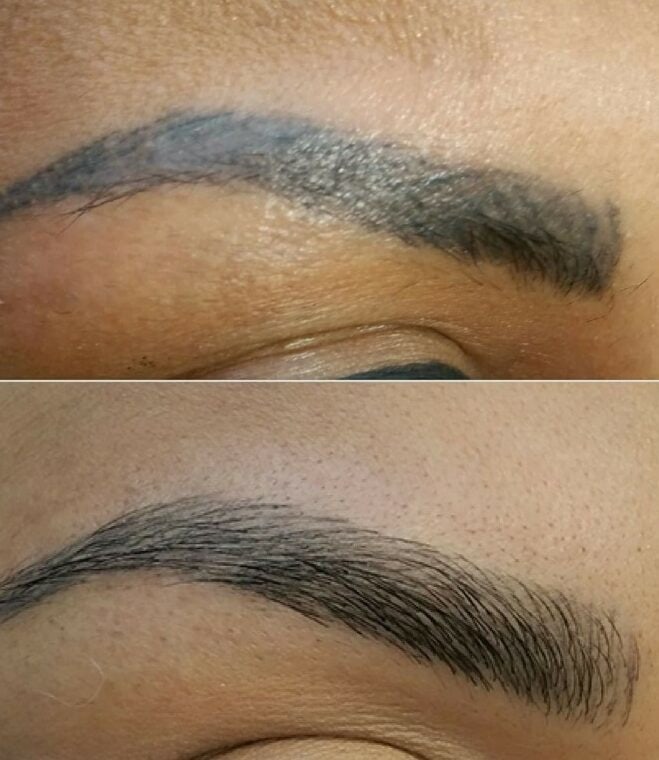
Tattoo removal can produce dramatic fading, but the final result is not the same for every tattoo. Some tattoos can be cleared almost completely, while others improve substantially without disappearing 100%. The outcome depends on the ink colors used, how deeply the pigment was placed, how saturated the tattoo is, whether it has been covered before, and how your body responds to the removal process.
If your goal is full removal, black ink, older tattoos, and lighter amateur work often respond the best. If your goal is fading for a cover-up, fewer sessions may be needed to create a cleaner base for a new design. Multicolor tattoos and dense professional tattoos usually take longer, especially when resistant pigments are involved.
It is also important to understand that some colors – especially white, green, and turquoise – can be more difficult to treat. In certain cases, a tattoo may become dramatically lighter but still leave a faint residual shadow or mild ghosting. For that reason, significant fading and complete clearance should not be treated as identical outcomes.
Our goal is to give you an honest, case-specific expectation from the start, whether you want total removal, visible lightening, or preparation for a cover-up tattoo.
At All Esthetics, safety is built into every stage of laser tattoo removal. Before treatment, we assess your skin tone, tattoo colors, pigment density, tattoo age, placement, and healing history to determine the safest treatment strategy for your case.
We carefully review the ink profile because some pigments – especially green, turquoise, mixed tones, and white ink – can respond less predictably and may require a more conservative approach. When needed, we use a cautious first-session strategy to see how the skin reacts before increasing treatment intensity.
Laser parameters are selected based on both the skin tone and the tattoo itself, including wavelength and treatment intensity, so we can target pigment while reducing unnecessary damage to the surrounding tissue. This is especially important for darker skin tones, where overly aggressive treatment may increase the risk of pigment changes.
If the skin is irritated, sun-exposed, freshly tanned, inflamed, or not fully healed, treatment may need to be postponed. Our focus is not just on fading the tattoo, but on reducing the risk of hypo/hyperpigmentation, blistering, and scarring through careful planning, controlled settings, and proper healing support.
In NYC, professional laser tattoo removal typically ranges from $200 to $500 per session. For those looking to fully clear a tattoo, the total investment generally falls between $1,200 and $3,500. These rates can vary based on the tattoo's dimensions, the complexity of the ink colors, and its placement on the body.
Most high-end clinics determine pricing based on the size of the piece. Smaller designs often start between $120 and $220 per treatment, while larger or more intricate tattoos will naturally command higher per-session rates.
Achieving total removal usually involves a series of 8 to 12 treatments spanning anywhere from six months to over a year. While you will likely notice significant fading after just 3 to 5 visits, the final result is a gradual process. This is because the laser simply breaks the ink into particles, and your body's immune system needs time to naturally flush them away.
To ensure proper skin recovery and optimal results, appointments are generally scheduled 6 to 8 weeks apart.
Yes, there is some discomfort involved in the process. Most people describe the sensation as a quick, hot stinging feeling, often compared to the sharp snap of a rubber band against the skin. While the experience can be intense, the pulses are very brief, making the pain generally manageable for most clients.
The level of sensitivity you feel will depend on several factors:
Location: Bony areas or spots with thinner skin tend to be more sensitive.
Size: Larger tattoos require longer sessions, which can test your endurance.
Individual Tolerance: Everyone processes the sensation differently.
To ensure your comfort, professional clinics often use cooling systems or topical numbing agents to take the edge off the sting during the procedure.
When performed by a trained professional using modern technology, permanent scarring is highly unlikely. Contemporary lasers are designed to be extremely precise, targeting only the ink particles while leaving the surrounding skin tissue unharmed.
It is important to note that the healing process often involves temporary side effects, such as:
Blistering: A normal part of the skin’s reaction to the laser.
Scabbing: A protective layer that forms as the area heals.
While these reactions are standard, permanent marks usually only occur if the area becomes infected, if the patient doesn't follow the recommended aftercare routine, or if there was already scar tissue present from when the tattoo was originally applied.
Absolutely. Laser technology is an excellent tool for revising or fading an old tattoo to make room for new art. Lightening the existing ink provides your tattoo artist with a "cleaner" canvas, giving them significantly more creative freedom. This prevents the need for a new design that is forced to be excessively large or dark just to mask the old one.
Because the goal is fading rather than total elimination, the process is much faster:
Fewer Sessions: Typically, only 2 to 6 treatments are necessary.
Better Results: Lightening the old ink ensures the colors of your new piece remain vibrant and don't "muddy" over time.
Most clients experience temporary reactions immediately following a session, which usually clear up within 7 to 14 days. These standard side effects include:
While complications are uncommon, long-term risks can include hyperpigmentation or hypopigmentation (where the skin becomes darker or lighter than the surrounding area). There is also a small possibility of infection, slight changes in skin texture, or an allergic response triggered by the breakdown of specific ink pigments.
Laser technology clears tattoos through a process called photothermolysis. The device emits high-intensity, ultra-short pulses of light that penetrate the skin to reach the ink trapped beneath. These light waves are specifically absorbed by the tattoo pigment, causing the ink to vibrate and shatter into microscopic fragments.
Once the ink is broken down into these tiny particles, your body's lymphatic system takes over. Over the following weeks, your immune system naturally identifies these fragments as waste and flushes them out of your body, gradually fading the tattoo from the inside out.
The procedure is safe, but there are a number of contraindications, in the presence of which the master will not be able to carry out the removal.
This includes:
• skin infections, diseases;
• herpes in the acute stage;
• increased risk of keloid scarring;
• violation of blood clotting;
• oncological diseases;
• period of pregnancy and lactation;
• elevated body temperature;
• exacerbation of chronic diseases.
Relative contraindications are also too fresh or light tattoos. In this case, to determine whether the procedure can be done, you must first show the tattoo to the master.
Laser removal does not require complex preliminary preparation. Before and between sessions, it is recommended to adhere to the following rules:
• minimize exposure to the sun, as ultraviolet increases the sensitivity of the skin;
• smoking as little as possible;
• in case of wounds, inflammations, consult a doctor and reschedule the procedure.
The effectiveness of laser technology depends significantly on the amount of melanin present in the skin. Because lasers work by identifying the contrast between the ink and the skin’s natural pigment, different complexions require specialized approaches:
Lighter Skin Tones: These typically see faster results because the high contrast allows the laser to easily lock onto the dark ink without affecting the surrounding area.
Deeper Skin Tones: To ensure safety, practitioners use specific wavelengths (such as the 1064nm laser) and more cautious settings. This careful approach is essential to protect the skin’s natural pigment and prevent hypopigmentation (the loss of natural skin color).
By tailoring the laser frequency to the individual's skin tone, professional clinics can effectively break down ink while maintaining the health and integrity of the skin.
Welcome to All Esthetics
10 Verbena Ave, Floral Park, NY 11001.
Sign up for Microshading, Microblading, Permanent Makeup Lips…