
Author: expert Ella Pill
Instagram: @ella_permanentmakeup
21 years in the beauty industry. An expert in permanent makeup for Eyebrows, Lips, and Eyeliner.
Content
Choosing the right PMU brow technique is not about picking the trendiest option or copying someone else’s before-and-after photos. The best brow technique depends on your skin type, natural brow pattern, age, lifestyle, previous PMU history, and the kind of healed result you want to wear every day. Some clients look best with delicate hair strokes, while others get longer-lasting, more flattering results from soft shading or a hybrid approach.
If you are trying to decide between Microblading, Powder Brows, Ombré Brows, Nano Brows, Combo Brows, Microshading, Pixel Brows, Soft Shading Brows, or Hybrid Brows, the most important thing to understand is this: there is no one universally “best” PMU brow technique. There is only the technique that is best for your brows, your skin, and your goals.
A well-chosen brow PMU technique should work with your natural features rather than fight against them. The right technique enhances your face, makes everyday grooming easier, and heals in a way that still looks beautiful weeks and months later.
Why there is no one-size-fits-all brow PMU technique
Permanent makeup for brows is highly customizable. Two clients can want “natural-looking brows” and still need completely different techniques. One may need soft machine shading because her skin is oily and doesn’t hold hair strokes well. Another may be a strong candidate for Nano Brows because her skin is balanced and she wants a realistic hair-like finish. A third may need Combo Brows because she has patchy growth and wants both texture and fullness.
That is why expert brow artists do not choose techniques based only on trends. They choose based on how the skin will heal, how much definition the client wants, and what result will still look good after the initial darkness fades.
The first factor is skin type. Oily skin usually holds soft shading better than crisp manual strokes. Dry to normal skin often allows better retention of hair-stroke techniques. Mature skin may benefit from softer, more diffused approaches rather than sharp lines.
The second factor is natural brow density. If you already have decent brow hair and simply want a refined shape, one technique may be ideal. If your brows are sparse, uneven, overplucked, or have missing tails, another method may create a more balanced and flattering result.
The third factor is your desired finish. Some people want brows that look like real hairs. Others prefer a soft makeup effect, as if a brow powder or pencil has already been applied. Some want a polished ombré look with more definition through the arch and tail. Your preferred style matters just as much as your skin type.
The fourth factor is maintenance. Some techniques require more touch-up planning, and some fade differently depending on your skincare, sun exposure, oil production, and lifestyle. A beautiful day-one result means very little if the chosen method is not compatible with how your skin heals.
The fifth factor is previous PMU. Old brow tattooing, residual pigment, scar tissue, or uneven fading can limit your options. In these cases, the “best” technique is often the one that corrects and blends what is already there instead of forcing an entirely new design.
Modern brow PMU offers several advanced techniques, each with a different visual effect and a different healing pattern. While terminology can vary from studio to studio, the most common brow techniques include Microblading, Powder Brows, Ombré Brows, Nano Brows, Combo Brows, Microshading, Pixel Brows, Soft Shading Brows, and Hybrid Brows.
Microblading is a manual hair-stroke technique designed to imitate real brow hairs. Powder Brows create a soft, airy filled-in effect. Ombré Brows use a gradient that is lighter at the front and more defined toward the tail. Nano Brows create machine-based hair strokes with very fine detail. Combo Brows blend strokes and shading. Microshading combines soft shadowing with texture and is often chosen for fuller brows. Pixel Brows rely on machine-created pixel diffusion for a misty result. Soft Shading Brows focus on subtle enhancement without harsh borders. Hybrid Brows use a customized blend of techniques based on the client’s skin and goals.
Each of these techniques can be beautiful when used on the right candidate. The key is not simply understanding what the technique is called, but how it behaves on real skin over time.
Microblading is a manual brow PMU technique that uses a handheld tool to create very fine, hair-like strokes in the skin. Its goal is to mimic the appearance of natural eyebrow hairs and give the brows more shape, direction, and visible texture. Microblading became extremely popular because it can create a soft, realistic look when performed well on the right skin type.
Microblading is often best for clients with normal to dry skin who want a natural, hair-like brow enhancement rather than a powdery filled-in effect. It can work well for younger skin, smaller pores, and brow areas with relatively stable skin texture. It is also a good option for people who already have some brow hair and want to fill in gaps, reshape the tail, or improve symmetry without making the brows look overly makeup-like.
Clients who love the idea of realistic strokes and do not want a shadowed brow often gravitate toward Microblading.
Microblading is usually not the best choice for very oily skin, large pores, skin that bleeds easily, or clients with significant texture changes in the brow area. On oily skin, the strokes can heal softer, blurrier, or less defined than expected. Mature skin can also be challenging in some cases because thinner or more delicate skin may not hold crisp strokes as predictably.
Clients who want a fuller, more makeup-inspired brow may also be disappointed by Microblading alone, because it is designed for stroke realism rather than density. It may also be less ideal for clients with previous PMU that needs blending or correction.
A healed Microblading result should look softer than it does immediately after the appointment. The strokes settle into the skin and lose some of their initial sharpness. When done correctly on suitable skin, the result can look delicate, natural, and realistic. It should not look like heavy block color or solid shading.
However, the healed appearance depends heavily on skin type, aftercare, and technique quality. Clients should understand that no hair-stroke technique stays as crisp as it looks on day one.
Microblading often lasts around 12 to 18 months before a noticeable refresh is needed, though this varies widely. Oily skin may fade faster or heal less crisply. Sun exposure, exfoliating products, active skincare, and poor aftercare can also shorten retention. An initial touch-up is usually needed after healing to perfect the shape and improve color consistency.
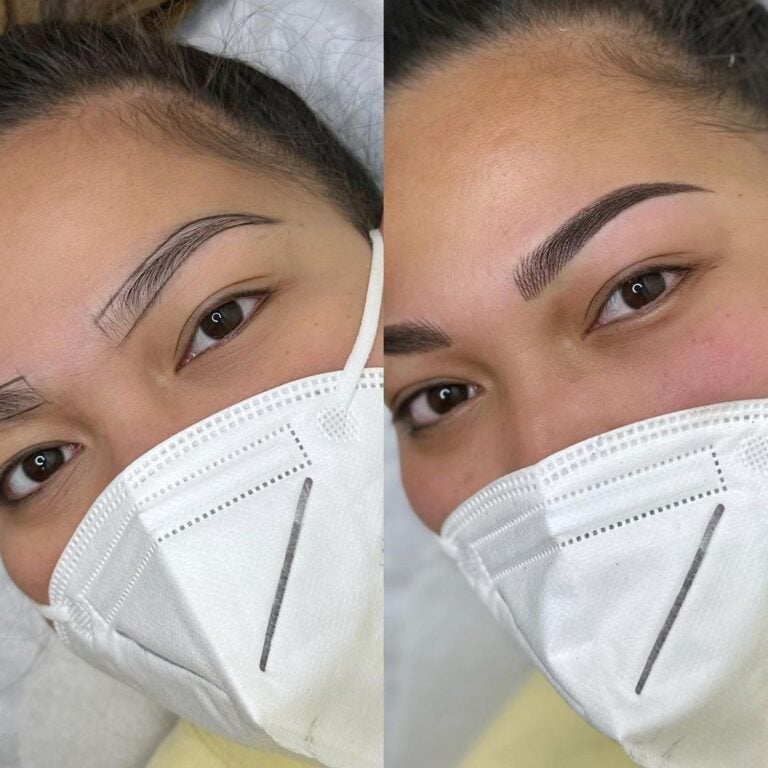
Powder Brows are a machine-based shading technique designed to create a soft, pixelated, filled-in effect, similar to the look of brow powder or a lightly applied pencil. Instead of individual strokes, the artist builds soft density and shape through controlled layering of pigment.
This is one of the most versatile brow PMU techniques because it can be customized to look very soft and airy or more defined and polished.
Powder Brows are often an excellent choice for oily skin, combination skin, mature skin, and clients who want more visible shape and fullness. They are also well suited for people with sparse brows, uneven brows, overplucked areas, or fading natural tails. Clients who want longer-lasting retention and a more consistently healed result often do very well with Powder Brows.
This technique is also ideal for people who fill in their brows with makeup regularly and want that polished look without the daily effort.
Powder Brows may not be the first choice for someone who wants only realistic hair strokes and no shading effect at all. Although Powder Brows can be very soft, they still create a shadowed enhancement rather than individual strand detail. Clients who are committed to a purely hair-like finish may prefer Nano Brows or a very light Combo Brow approach instead.
Healed Powder Brows should look smooth, soft, and airy, not solid or heavy. The initial result is usually darker and more intense right after the procedure, but as healing progresses, the color softens and the finish becomes more natural. A well-done Powder Brow should look like a subtle cosmetic enhancement, not a harsh tattoo.
Powder Brows often last between 1.5 and 3 years, depending on the client’s skin, lifestyle, and maintenance habits. They are frequently chosen because they tend to age more predictably on oily or mature skin than manual strokes. Like all brow PMU, they usually require an initial touch-up once the skin is healed.
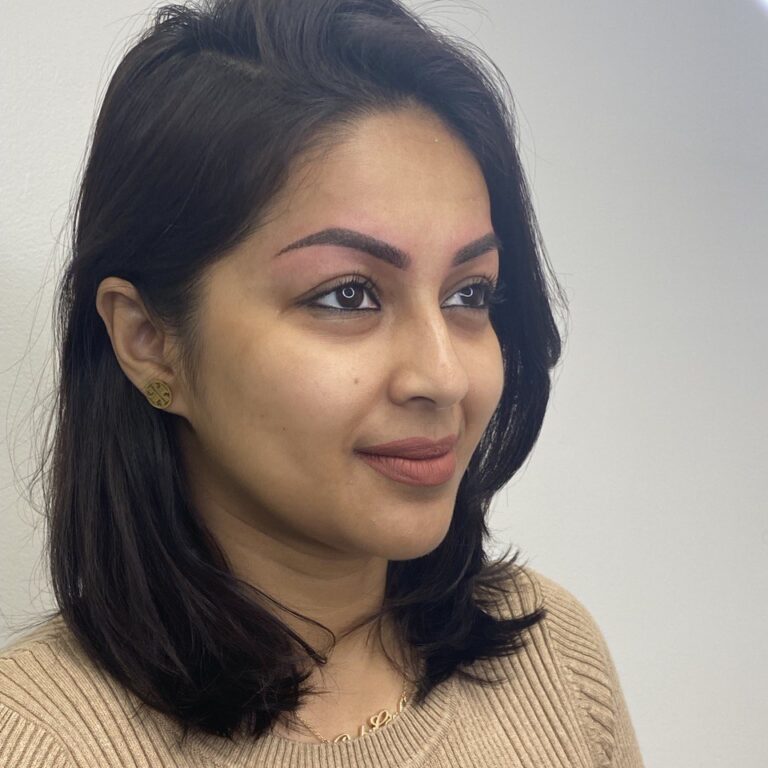
Ombré Brows are a type of shaded brow technique that creates a gradient effect, with the front of the brow looking softer and lighter and the arch and tail appearing more defined. This creates a polished, structured brow that still has softness where it matters most.
The ombré style is popular for clients who like a cleaner, more styled finish without the look of harsh front blocks.
Ombré Brows are ideal for clients who want visible definition, fuller-looking brows, and a makeup-inspired finish. They often suit people who regularly shape or fill in their brows and prefer a more refined appearance. This technique can also work well on oily, combination, and many mature skin types because it is based on shading rather than fragile manual strokes.
Clients who want the most natural, almost invisible enhancement may find Ombré Brows too structured if the design is not kept very soft. They may also not be the best choice for people who dislike any makeup effect and want brows to look as though nothing has been done.
Healed Ombré Brows should appear soft at the front, more defined through the body, and richest at the tail. The final effect should still feel balanced and elegant, not overly dark. When designed properly, the gradient can make the brows look lifted, symmetrical, and polished.
Ombré Brows usually last around 1.5 to 3 years, though results vary. Because they rely on shading, many clients find their retention more stable than manual stroke techniques, especially if they have oilier skin.
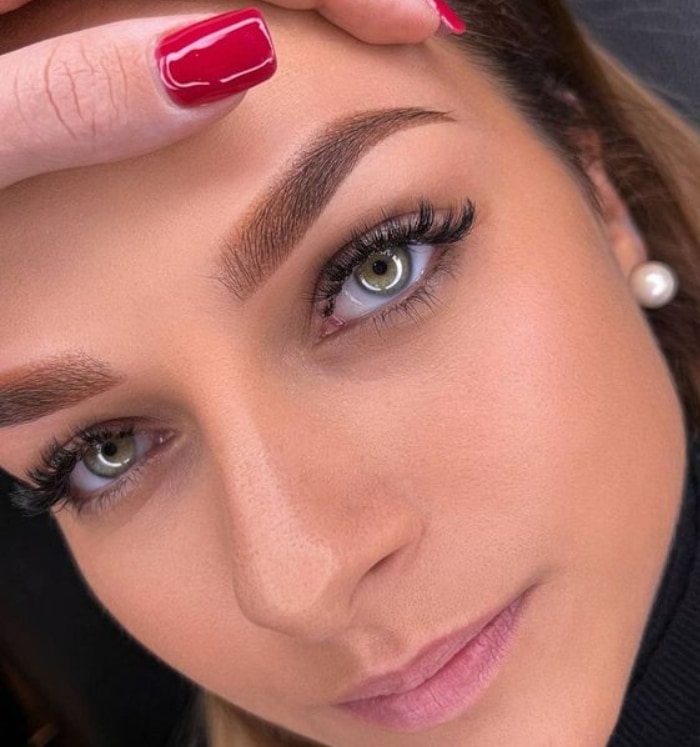
Nano Brows are a machine hair-stroke technique that creates extremely fine lines designed to imitate natural brow hairs. Unlike Microblading, which is done manually, Nano Brows are performed with a machine and a fine needle, allowing for controlled stroke placement and often more refined layering.
This technique is often seen as an advanced alternative for clients who want hair-like realism with a more modern machine-based approach.
Nano Brows are best for clients who want natural-looking stroke detail and may not be ideal candidates for traditional Microblading. They can work well for normal, dry, and some combination skin types, especially when the client wants realistic texture rather than a makeup finish. Nano Brows are also a strong option for clients who want subtle enhancement that blends into their natural hair pattern.
Nano Brows may not be ideal for very oily skin if the client expects the strokes to stay extremely crisp over time. They may also be insufficient on their own for clients with very sparse brows who need visible density, background shading, or stronger structure. In those cases, Combo or Hybrid techniques often perform better.
Healed Nano Brows should look soft, natural, and finely textured. The strokes settle and soften as the skin heals, but the overall effect should still resemble real brow hairs. This technique can be especially beautiful on clients who want a believable, low-makeup result.
Nano Brows generally last around 1 to 2 years before a refresh is needed, although retention depends on the skin and lifestyle. As with any stroke-based technique, very oily skin and active skincare can shorten the lifespan.
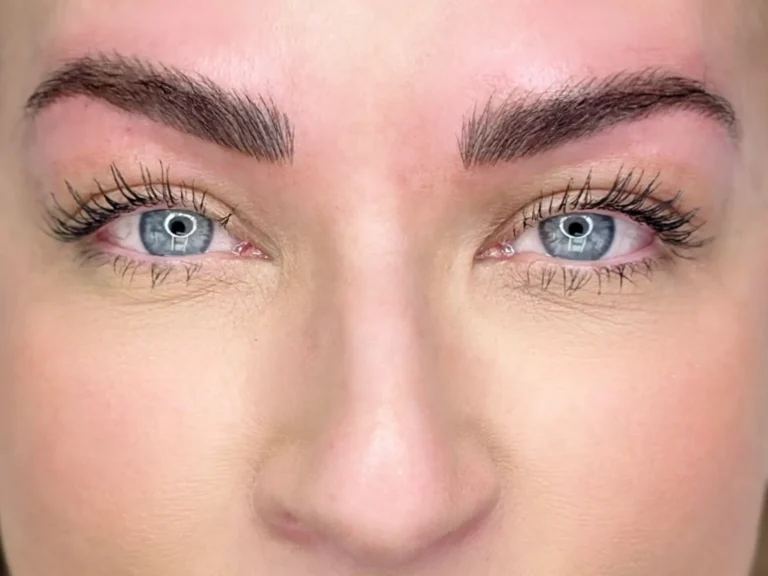
Combo Brows combine hair strokes and shading in the same brow design. Usually, strokes are placed in strategic areas, such as the front or upper brow, while soft shading is used to build fullness through the body and tail. The result is a brow that has both natural texture and visible density.
Combo Brows are often one of the best options for clients with sparse brows, patchy growth, missing tails, or uneven density. They work well for people who want the realism of strokes but also need the fullness and structure that shading provides. This technique is especially helpful when strokes alone would look too thin or incomplete.
Clients who want a balanced look that is both natural and polished often do very well with Combo Brows.
Clients who want only a very soft powder finish or only clean individual strokes may prefer a more specialized technique. Combo Brows may also need careful customization on very oily skin, where too many fine strokes may not heal as distinctly as expected.
A healed Combo Brow should show soft texture in the right places and gentle background density that makes the brow look fuller and more complete. The best results do not look overworked. Instead, they look customized, dimensional, and flattering.
Combo Brows usually last around 1 to 2.5 years, depending on how much of the brow is stroke-based versus shaded. Retention varies by skin type, but they often age more predictably than pure manual Microblading in clients who need extra fullness.
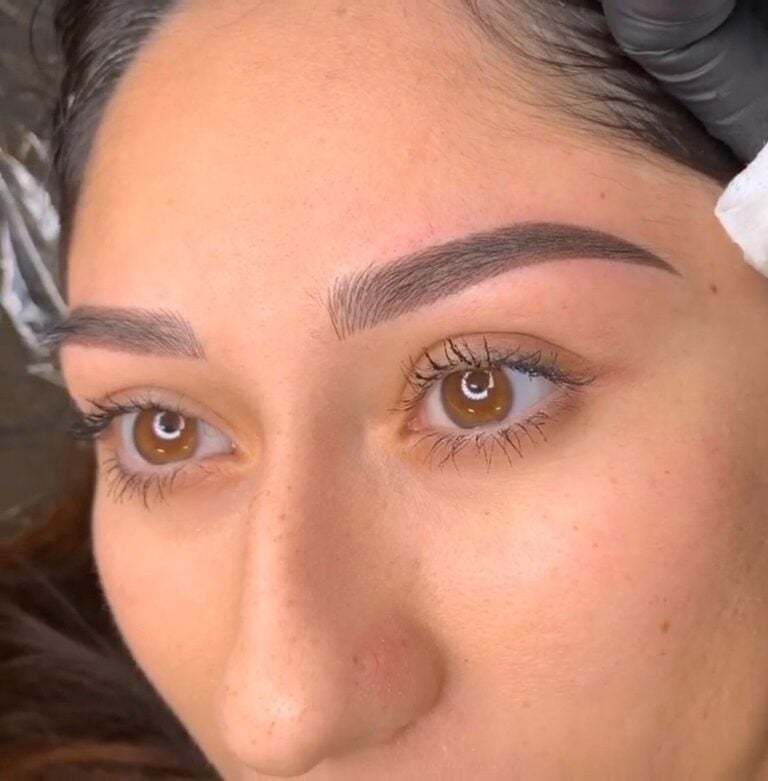
Microshading is a soft brow PMU technique that focuses on creating a diffused, shaded effect rather than depending entirely on hair strokes. In some studios, the term also refers to a combination of light shading and subtle strokes. The overall goal is fuller-looking brows with softness rather than harsh saturation.
Microshading is a good fit for clients who want a denser result than hair strokes alone can provide. It often suits oily skin, sensitive skin, and clients who want more fullness but still want the brows to heal softly. It can also be useful for people who like a finished look but do not want a very sharp, high-definition brow.
Clients who specifically want visible individual brow hairs as the main feature may find Microshading too diffused if it is done without meaningful stroke detail. In those cases, Nano or Combo techniques may be more suitable.
The healed result is usually soft, fuller, and lightly powdered. It should give the impression of density without appearing blocky or overly saturated. This makes it attractive for clients who want their brows to look gently enhanced rather than dramatically outlined.
Microshading often lasts around 1.5 to 3 years, especially when the technique leans more toward shading than fine strokes. It can be a dependable option for clients who want a stable, flattering result.
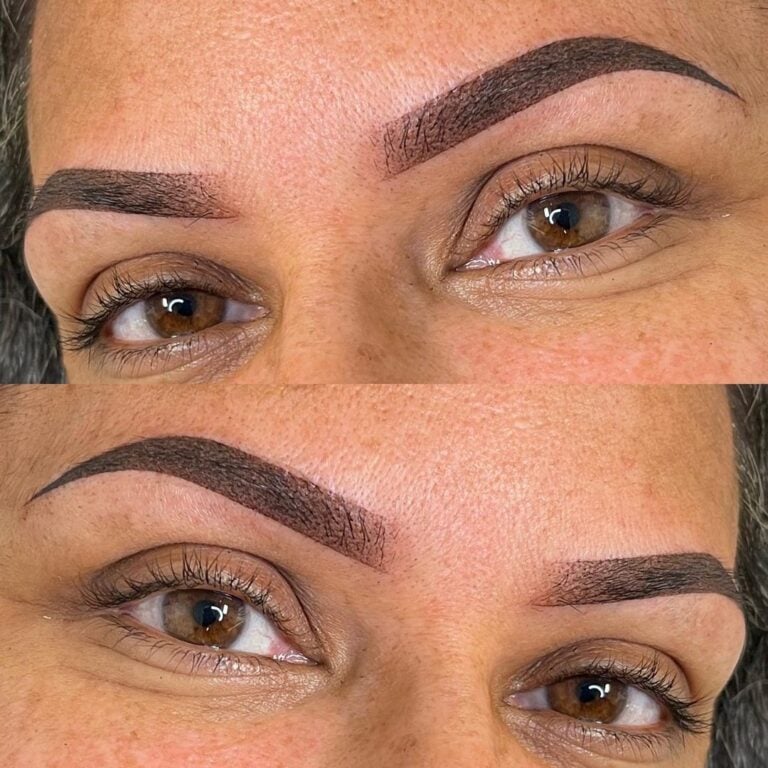
Pixel Brows are a machine shading technique that creates tiny layered dots of pigment to build a soft, airy brow. The “pixel” effect refers to the fine diffusion of pigment rather than solid color packing. This allows the artist to create very smooth transitions and a refined misted finish.
Pixel Brows are ideal for clients who want a modern shaded result with softness and control. They often work well for oily and combination skin, as well as for clients seeking a subtle makeup effect that can be built lightly or more noticeably depending on preference. Clients with sparse areas who do not need hair strokes often love this technique.
If a client is specifically drawn to the look of individual hair strokes, Pixel Brows may not satisfy that goal. This technique is about softness, diffusion, and controlled fill rather than visible strand simulation.
Healed Pixel Brows should look smooth, soft, and evenly diffused. The brow should appear enhanced, balanced, and elegant, not flat or harsh. The final appearance depends on saturation level and shape design, but the overall effect is typically very wearable.
Pixel Brows often last between 1.5 and 3 years. Because the result is shading-based, many clients find this technique retains well and fades gracefully when properly executed.
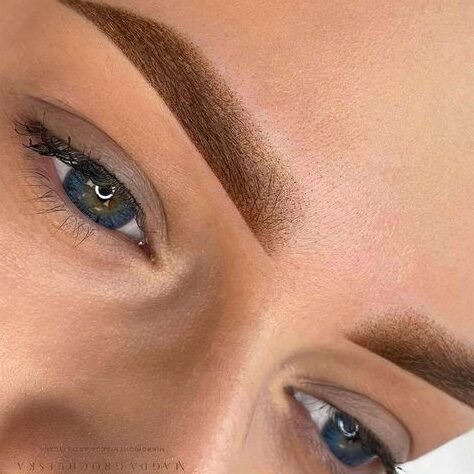
Soft Shading Brows are designed to create a gentle, low-intensity brow enhancement without heavy borders, dramatic tails, or dense color. The purpose is to mimic the effect of lightly tinted brows and restore shape and softness without making the brows look overdone.
This technique is especially good for mature skin, fair clients, first-time PMU clients, and people who are nervous about going too bold. It is also suitable for clients who want subtle correction, light fullness, or a polished everyday look without strong definition.
Clients who want a high-glam, dramatic, sharply structured brow may find Soft Shading Brows too understated. Those needing very strong correction for sparse or asymmetrical brows may also need a more structured version of shading or a Hybrid technique.
The healed result should be delicate, airy, and flattering. It should not dominate the face. Instead, it should quietly improve symmetry, softness, and visible brow presence.
Soft Shading Brows typically last around 1.5 to 2.5 years, depending on the skin and pigment depth. Since the result is intentionally subtle, some clients choose maintenance refreshes sooner to preserve softness and clarity.
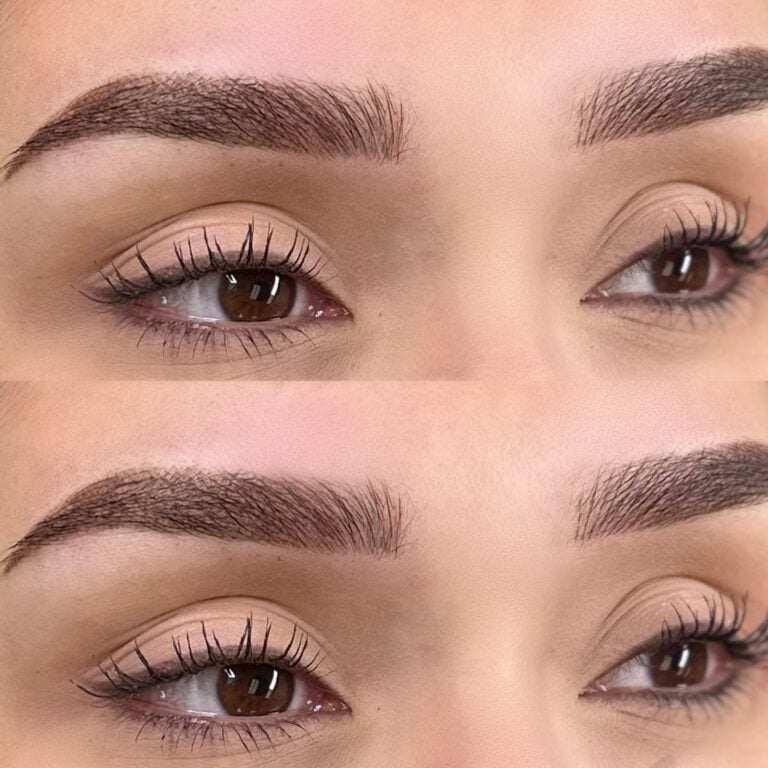
Hybrid Brows are a customized PMU approach that combines elements of multiple techniques to suit the client’s unique skin, brow pattern, and goals. Rather than following one strict method, the artist tailors the design using a blend of strokes, shading, softness, and structure.
Hybrid Brows are excellent for clients who do not fit neatly into one category. They are often ideal for people with asymmetry, uneven growth, previous PMU, mixed skin behavior across the brow area, or specific goals that require both realism and density. They are also a strong option for clients who want a truly individualized result.
Clients who expect one simple, standardized technique name may not immediately understand the value of a hybrid approach. However, this is usually more of an education issue than a treatment issue. In reality, Hybrid Brows are often the smartest answer for complex cases.
A healed Hybrid Brow should look balanced, customized, and natural for the individual face. Depending on the design, it may include subtle stroke detail, soft density, strategic structure, and a tailored shape that would be difficult to achieve with only one single-method technique.
Hybrid Brow retention varies depending on how much of the design is stroke-based versus shading-based, but many clients enjoy results in the 1.5 to 3 year range with appropriate touch-ups.
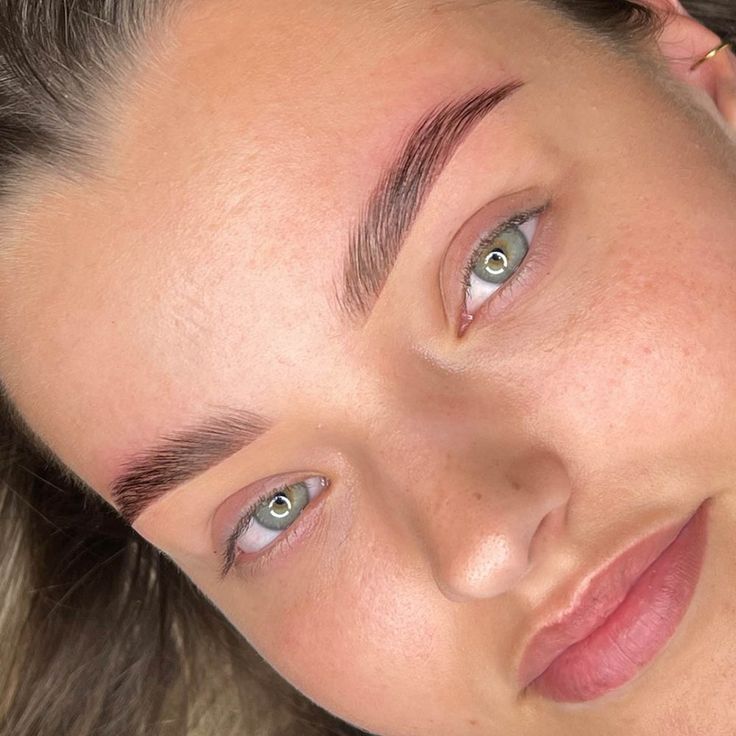
Healing is a major part of the brow PMU journey, and clients should understand that the final result is never judged on day one.
Freshly done brows usually appear darker, sharper, and more intense immediately after the procedure. This is normal. As the skin heals, the surface pigment softens, light flaking may occur, and the final result becomes more natural.
Hair-stroke techniques such as Microblading and Nano Brows often heal softer than their fresh appearance suggests. Shading techniques like Powder Brows and Pixel Brows usually heal into a more diffused, powdered finish. Combination techniques settle somewhere in between, depending on how much shading is included.
The skin naturally regenerates, and some of the initial visual intensity decreases during healing. This is why clients should avoid panic in the first week if the brows seem too dark. The purpose of a touch-up is to refine what remains after the true healed pattern becomes visible.
Most brow PMU techniques require an initial touch-up after the brows have healed, often around six to eight weeks later. This appointment helps adjust any uneven retention, refine the shape, and complete the final design.
Longevity varies, but it is influenced by more than just technique name.
Pure hair-stroke techniques such as Microblading often fade faster or soften more noticeably, especially on oily skin. Very subtle soft techniques may also look lighter sooner simply because their starting saturation is lower.
Powder Brows, Ombré Brows, Pixel Brows, and many Hybrid or shading-dominant designs often retain better over time. This is one reason they are so frequently recommended for clients who want more predictable healing.
Retention depends on skin type, oil production, aftercare, sun exposure, exfoliating products, retinoids, skincare acids, lifestyle habits, and how the skin responds to pigment. Even the most skilled artist cannot make one technique behave identically on every person. Good PMU is always a collaboration between technique, biology, and aftercare.
Welcome to All Esthetics
10 Verbena Ave, Floral Park, NY 11001.
Sign up for Microshading, Microblading, Permanent Makeup Lips…