
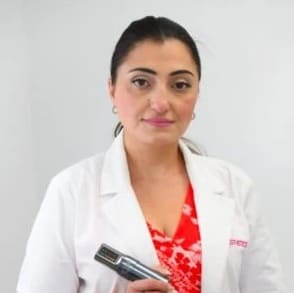
Author: expert Ella Pill
Instagram: @ella_permanentmakeup
21 years in the beauty industry. An expert in permanent makeup for Eyebrows, Lips, and Eyeliner.
If you want the safest, most predictable way to remove a tattoo in New York, medical-grade laser tattoo removal (especially picosecond technology like the PICO #1 platform) is the current gold-standard for most clients. It can significantly fade or fully remove many tattoos with minimal downtime and a low risk of scarring when done correctly-though the exact results, number of sessions, and total cost depend on ink, skin type, placement, and how the tattoo was applied.
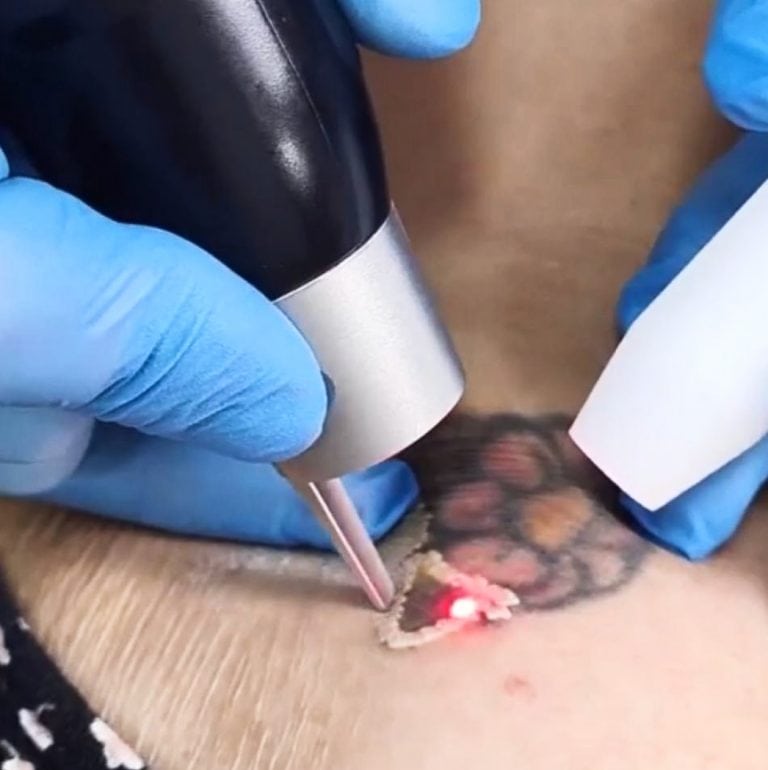
When people ask “what’s the best tattoo removal method,” they usually mean:
highest clearance, 2) lowest scarring risk, 3) short recovery, 4) works on more colors, and 5) is worth the money.
For most tattoos, laser removal wins versus creams, acids, “DIY,” or aggressive mechanical methods because lasers target pigment selectively and let your immune system clear fragmented ink over time. Clinical reviews consistently describe Q-switched and picosecond lasers as the leading option with the best balance of effectiveness and safety.
Both types break ink into smaller particles. The difference is pulse duration: picosecond lasers deliver energy faster, which can improve clearance for certain inks and may reduce some side effects in comparative studies.
What this means for you as a client in New York: with a true picosecond platform (like PICO #1), you’re typically choosing a technology class associated with:
effective fading/clearance across common tattoo colors,
minimal recovery (most people resume normal life quickly),
low scarring risk when protocols and aftercare are followed.
Best for: most professional and amateur tattoos, especially if you want the best cosmetic outcome.
Main tradeoff: you’ll need multiple sessions and patience.
Best for: very small tattoos where a linear scar is acceptable.
Tradeoff: guaranteed scar line and limited size suitability.
Best for: rarely a first choice today.
Tradeoff: higher risk of texture change and scarring; longer recovery.
Best for: almost never (they don’t selectively target ink depth).
Tradeoff: burns, pigment problems, scarring-often without true removal.
If you’re shopping around in NYC, the decision is usually not “laser or not laser,” but what laser technology + what protocols + how experienced the provider is.
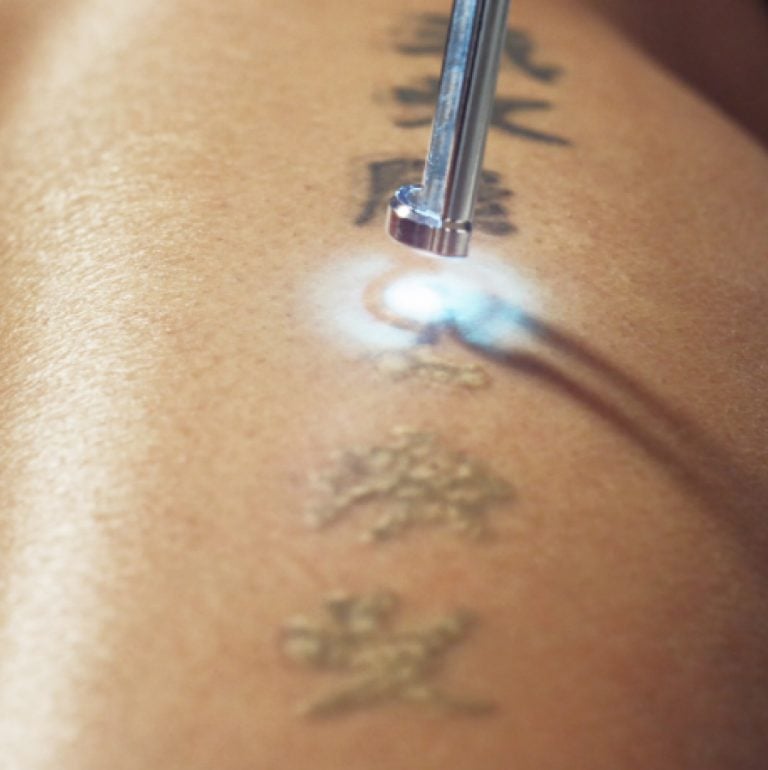
Yes- but manage expectations like an adult. Some tattoos fully clear; many fade dramatically; some leave a faint “ghost” outline depending on ink density, depth, and your skin’s response. One clinical update noted that complete clearance isn’t guaranteed for everyone and that transient local reactions (redness, swelling, blistering/crusting) are common during the process.
Picosecond laser evidence reviews show strong clearance outcomes in many trials (often substantial fading within a limited number of sessions), supporting why modern clinics invest in this technology.
**In a qualified clinic, for most healthy adults, laser tattoo removal is considered a safe procedure – **with the important caveat that “safe” doesn’t mean “zero reactions.” Expected short-term reactions include:
redness, swelling
pinpoint bleeding
blistering/crusting
temporary darkening/lightening of skin in the treated area
True complications (persistent pigment change, scarring, texture change) are much more likely when:
settings are too aggressive,
sessions are too close together,
aftercare is ignored,
the provider lacks experience (especially with darker skin types).
Reviews and comparative studies support lasers as the most effective mainstream option with the best risk/benefit profile.
Picosecond lasers often show equal or better clearance and can show less pronounced transient side effects in some comparisons.
Higher Fitzpatrick phototypes (IV–VI) require more careful parameter selection and spacing to minimize pigment issues.
Most NYC clients need multiple sessions-often 6–12+ for professional tattoos, sometimes fewer for light amateur tattoos. The real answer is: it depends on variables you can actually measure.
Ink amount and depth (heavy, saturated professional work takes longer)
Colors used (some colors are stubborn)
Body location (areas with less circulation can clear slower)
Age of tattoo (older can be easier)
Skin type (Fitzpatrick) and tendency to pigment changes
Any scarring already under the tattoo
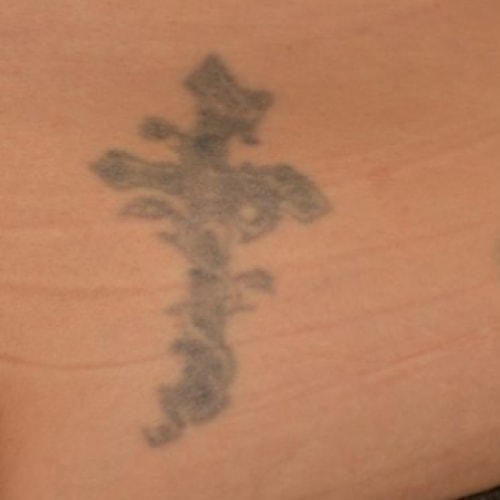
Yes-many colored tattoos can be removed or significantly lightened, but the plan must match the pigment. In a prospective comparison study, picosecond 1064 nm performed strongly for black tattoos, while 532 nm picosecond showed strong performance for red inks, illustrating why wavelength choice matters.
What’s usually harder: certain greens/blues, very dense pigments, cover-ups, and tattoos with layered ink.
Some cosmetic pigments can darken paradoxically after laser exposure, depending on ink chemistry-this requires an experienced approach and often a test spot first.
If you have darker skin, the main risk is not “scarring first”-it’s pigment change (hyperpigmentation or hypopigmentation). The good news: with correct wavelength selection (commonly 1064 nm for deeper, darker inks), conservative settings, proper intervals, and strict sun avoidance, outcomes can be excellent.
confirm Fitzpatrick type and tanning history,
start conservatively (often with a test spot),
space sessions appropriately,
give strict aftercare and sun-protection rules.
Your stated goal-no scarring, effective lightening/removal, minimal downtime, safe treatment-is exactly what modern picosecond laser protocols aim for. The reality: scarring risk is low when treatment is correctly performed, but it’s never a “guarantee” because:
some people already have scar tissue under the tattoo,
aggressive settings or poor aftercare can create texture changes,
individual healing varies.
Good sign: reputable medical reviews list scarring and textural change as potential but not routine outcomes-more likely with improper technique.
In NYC/NY, clinics commonly price per session, and the range often falls around $150–$500+ per session, depending on tattoo size, complexity, and the technology used. National averages reported by financing/healthcare marketplaces also show wide ranges, which matches what we see in real pricing behavior.
Size (tiny finger tattoo vs full back piece)
Color & density (multi-color, cover-ups cost more)
Time per session (bigger area = longer appointment)
Provider expertise + equipment class (premium tech and experienced hands cost more)
Number of sessions (the biggest driver of total cost)
If you want “cheaper,” do it smart:
remove one small tattoo first (highest ROI)
ask about package pricing (when appropriate)
plan removal in seasons with less sun exposure (fewer aftercare setbacks)
avoid “discount lasers” or unqualified operators-fixing complications costs more than doing it right once.
Use this checklist when comparing NYC providers:
Who performs the treatment? (medical oversight matters)
What laser technology? (true picosecond platforms are a plus)
Experience with your skin type (especially Fitzpatrick IV-VI)
Clear plan: expected sessions + interval + aftercare
Before/after documentation with similar tattoos and skin types
Transparent pricing and what’s included (consult, numbing, aftercare guidance)
A typical professional laser tattoo removal flow:
consultation + skin/tattoo assessment + goal setting
possible test spot (especially for dark skin or cosmetic ink)
treatment session (minutes for small tattoos; longer for larger)
short recovery window (often redness/swelling; sometimes blistering)
next session after appropriate interval (your provider decides based on healing)
Best overall method: professional laser tattoo removal; picosecond lasers are strongly supported in the literature for effective clearance.
Safety: generally safe in experienced hands; temporary reactions are common; pigment changes are the main special risk for darker skin types.
Sessions: often 6–12+ for professional tattoos; depends on ink, color, location, and skin.
Color tattoos: removable, but wavelength strategy matters (different inks respond differently).
NYC cost: commonly priced per session with wide ranges; total cost = price per session × number of sessions.
If you’re in New York and you’re ready to remove a tattoo, choose a clinic that treats tattoo removal as a medical-grade procedure-not a “beauty add-on.” A modern picosecond platform (like PICO #1) paired with correct parameters, proper spacing, and strict aftercare is your best path to strong fading/removal, minimal downtime, and a low risk of scarring. Evidence supports lasers as the leading method; your job is choosing the right provider and plan for your ink and skin.
Welcome to All Esthetics
10 Verbena Ave, Floral Park, NY 11001.
Sign up for Microshading, Microblading, Permanent Makeup Lips…