
Author: expert Ella Pill
Instagram: @ella_permanentmakeup
21 years in the beauty industry. An expert in permanent makeup for Eyebrows, Lips, and Eyeliner.
Scalp micropigmentation (SMP) is a cosmetic tattooing technique that creates the appearance of fuller hair, a denser hairline, or a closely shaved buzz cut. It can be an effective option for people bothered by thinning hair, baldness, or visible scalp scars—but it is not a treatment that regrows hair or stops hair loss.
That distinction matters. SMP can change how the scalp looks immediately after it heals, but it does not create follicles, increase hair density, or cure alopecia. The quality of the result depends heavily on the practitioner’s technique, the design of the hairline, pigment selection, your skin, and whether your hair loss is stable.
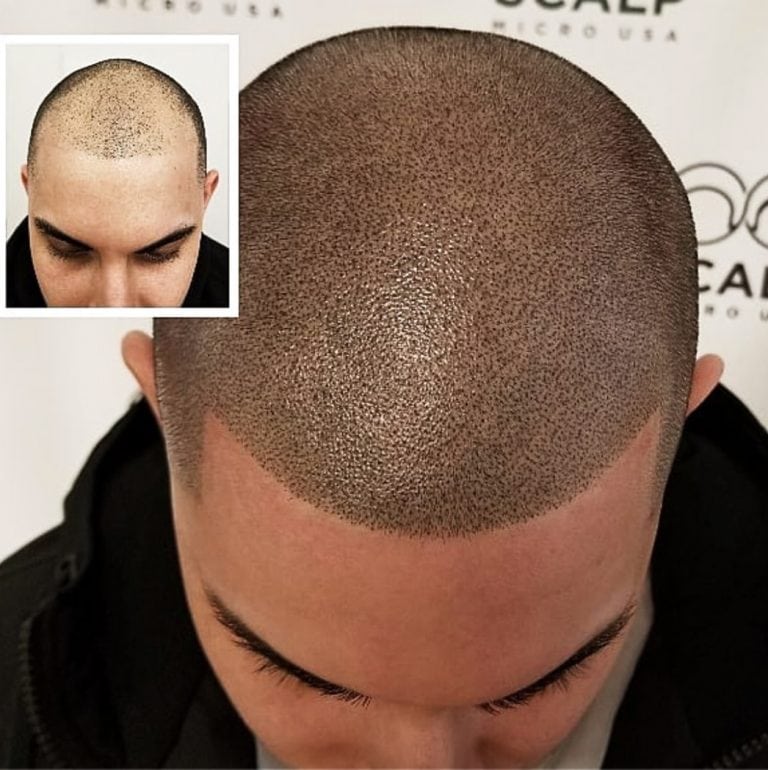
Scalp micropigmentation is a procedure in which a trained practitioner uses fine needles to place thousands of tiny pigment impressions in the upper layers of the scalp.
The goal is not to draw individual hairs. A natural SMP result mimics the soft shadow created by closely cropped hair follicles. When the dots are appropriately small, layered, and matched to the surrounding hair and skin tone, they can reduce the contrast between the scalp and existing hair.
Depending on the treatment plan, SMP may be used to:
SMP is sometimes called a “hair tattoo,” but that phrase can be misleading. It is still a form of pigment implantation in the skin, which means it carries some of the same practical considerations as tattooing: healing, fading, infection prevention, and the possibility that removal or correction may be needed.
What SMP can do
SMP can create a convincing visual illusion. For a person who keeps their hair very short, it may make a receding hairline or bald crown look more like an intentional close-cropped style. For someone with diffuse thinning, it can make the scalp appear less visible and create the impression of greater density.
It can also be useful as part of a broader hair-restoration plan. Some people use SMP after a hair transplant to reduce the appearance of limited density, while others use it to camouflage selected scars after the skin has fully healed.
What SMP cannot do
Scalp micropigmentation does not:
If your goal is to preserve existing hair or address the medical cause of hair loss, speak with a board-certified dermatologist or qualified hair-loss physician. SMP may be a cosmetic complement to medical care, but it is not a substitute for diagnosis or treatment.
SMP is not automatically appropriate just because it is non-surgical.
You should discuss postponing or avoiding the procedure if you have:
Do not rely on an SMP clinic alone to diagnose a scalp condition. A reputable practitioner should recognize when a referral to a dermatologist or physician is appropriate.
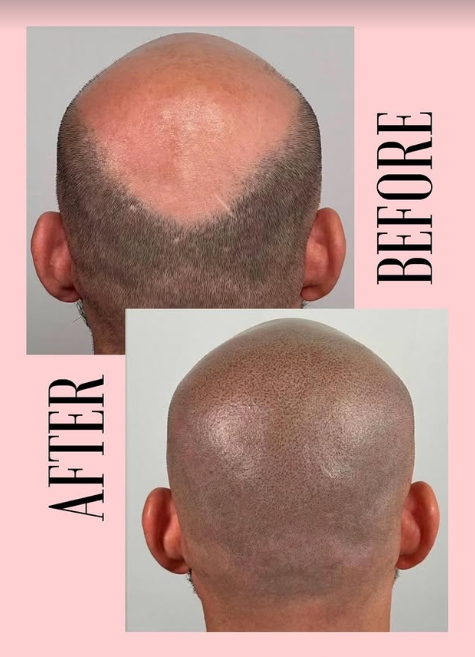
The best candidate is not simply anyone with hair loss. Good results depend on matching the procedure to the person’s hair pattern, expectations, lifestyle, and scalp health.
SMP may be a good option for:
Men with a receding hairline or extensive hair loss
People with male-pattern baldness who are comfortable maintaining a short or shaved hairstyle are often strong candidates. SMP can create the look of a full, closely shaved hairline when the design is age-appropriate and blends naturally into the remaining hair.
A mature, softly graduated hairline is usually safer than an overly low, sharply straight hairline. A hairline that looks convincing at age 30 may look artificial years later if it is designed without considering future aging and hair loss.
Women with diffuse thinning
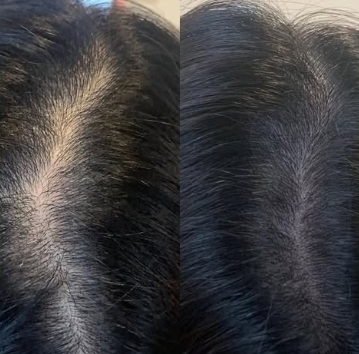
Women with diffuse thinning may use SMP to reduce the contrast between the scalp and hair, particularly around a widening part or crown area. However, this requires careful planning. SMP can add the appearance of density, but it does not add volume or change the feel of the hair.
It may be less suitable when hair loss is rapidly progressing, the scalp is highly visible in large bald patches beside long dense hair, or the underlying cause of shedding has not been evaluated.
People with hair-transplant scars
SMP may help make some FUE dot scars or linear FUT scars less visible. Scar camouflage is one of the more technically demanding uses of SMP because scar tissue may retain pigment unpredictably. The pigment can fade differently, spread, or require additional sessions.
A consultation should include a realistic discussion of what “camouflage” means. The goal is usually to make a scar less noticeable—not to promise that it will disappear.
People with alopecia or medical hair loss
Some people with alopecia areata, chemotherapy-related hair loss, or other forms of hair loss consider SMP. But active inflammation, unstable hair loss, or an undiagnosed scalp condition should be evaluated before cosmetic tattooing.
If you have active psoriasis, dermatitis, scarring alopecia, open skin, unexplained scalp irritation, or a rapidly changing pattern of hair loss, postpone SMP until a medical professional has assessed the condition and your scalp is stable.
Most SMP treatments are completed in multiple sessions rather than one long appointment. Building the result gradually gives the practitioner time to assess pigment retention, avoid excessive darkness, and create a softer, more realistic density.
A typical process includes:
Each session may take several hours. The exact number of appointments should not be promised before the practitioner sees how your scalp heals and retains pigment.
SMP can be an excellent cosmetic option, but it is not risk-free.
Possible complications include:
The biggest controllable risk is choosing a practitioner based on price, social-media filters, or heavily edited before-and-after photos. A cheap procedure can become expensive if laser removal or correction is required.
SMP may be worth considering if you want a non-surgical cosmetic way to reduce the appearance of hair loss, understand that it does not regrow hair, and are comfortable with the maintenance and long-term commitment.
It is especially practical for people who like a short hairstyle, want to camouflage scalp show-through, or need a carefully planned complement to a hair-restoration strategy.
It may be the wrong choice if you expect real hair growth, want a long-haired look created from a bald area, have an active scalp condition, or are not prepared for the possibility of future touch-ups or correction.
It uses needles and pigment placed in the skin, so it is a form of cosmetic tattooing. However, SMP uses a different visual goal and typically uses specialized techniques intended to mimic follicle shadows rather than body-art designs.
Pain tolerance varies. Many people describe SMP as mild to moderate discomfort rather than severe pain, but the experience depends on the area being treated, session length, individual sensitivity, and the practitioner’s technique.
For many people, the result remains visually effective for several years before a touch-up is considered. A practical expectation is often around three to six years, but the timeline is highly individual. Some people notice softening earlier, while others wait longer before refreshing the result.
No. SMP creates the appearance of fuller hair or a shaved hairline. It does not create follicles, stimulate growth, or stop hair loss.
Yes. SMP can be used for women with diffuse thinning or visible scalp show-through. A careful consultation is important because the cause and stability of hair loss should be considered first.
Yes, in some cases. It may be used to add the appearance of density or help camouflage scars. Timing should be determined with the surgeon and SMP practitioner after transplanted hair and scalp healing have stabilized.
There is no fixed schedule. Many people consider a touch-up after several years, often within a three- to six-year range, depending on fading, sun exposure, skin characteristics, and the desired appearance.
Well-executed SMP can be difficult for casual observers to detect. Poor work is more noticeable: overly dark pigment, large dots, a sharply straight hairline, blue or gray discoloration, or obvious contrast with surrounding hair.
Welcome to All Esthetics
10 Verbena Ave, Floral Park, NY 11001.
Sign up for Microshading, Microblading, Permanent Makeup Lips…