
PMU Courses: Safety and Sanitation Training

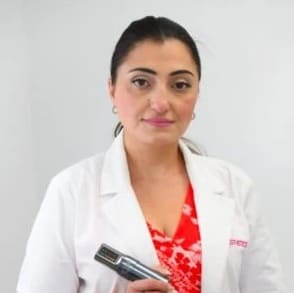
Ella Pill - All Esthetics

Author:  expert Ella Pill
Instagram: @ella_permanentmakeup
21 years in the beauty industry. An expert in permanent makeup for Eyebrows, Lips, and Eyeliner.

In the permanent makeup (PMU) industry, mastering safety and sanitation protocols is just as critical as perfecting your tattooing technique. Because PMU procedures involve breaking the skin barrier, strict sterile practices are required to eliminate the risk of cross-contamination and the transmission of bloodborne pathogens.

Whether you are preparing to pass your licensing board exams or looking to refresh your day-to-day studio practices, strict adherence to these principles safeguards public health, builds client trust, and protects your professional reputation.
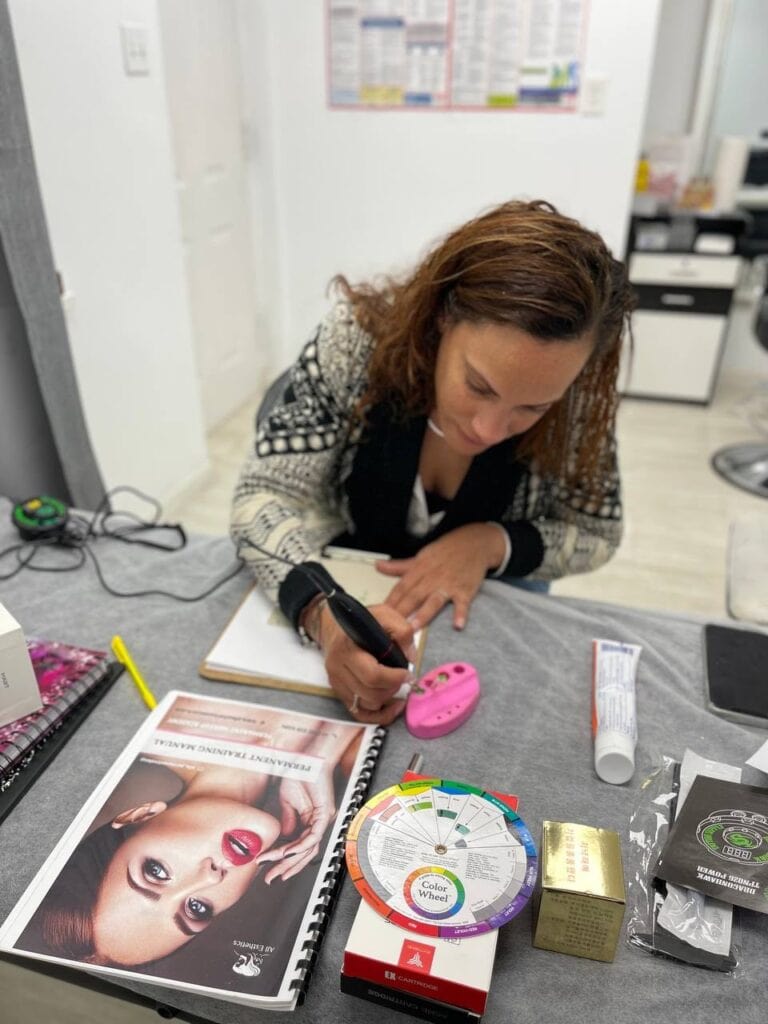
pmu courses in All Esthetics

1. Defining Levels of Infection Control

To maintain a compliant and bio-safe workspace, PMU artists must understand the distinct differences between the three primary tiers of cleanliness:

  • Sanitation: This is the baseline level of hygiene. It involves washing and cleaning surfaces or hands to reduce the overall volume of pathogenic microorganisms to a safe, acceptable level.

  • Disinfection: This step utilizes hospital-grade, EPA-registered, and tuberculocidal disinfectants to completely destroy or deactivate specific strains of bacteria and viruses on non-porous, non-living surfaces.

  • Sterilization: The highest level of decontamination. Sterilization completely eradicates all microbial life, including highly resilient bacterial spores. This process requires a medical-grade autoclave and is strictly reserved for reusable metal implements.

2. Personal Protective Equipment (PPE) & Artist Hygiene

Protecting both yourself and your client starts with proper personal hygiene and barriers. The skin-to-skin nature of PMU demands the following safeguards:

  • Hand Hygiene: Wash your hands rigorously with antibacterial soap before and after every client session. Keep your hair tied back securely and never touch your face or phone during a procedure.
  • Medical-Grade Gloves: Always wear single-use nitrile or latex gloves. They must be swapped out immediately if you touch any non-sterile surface, phone, or contaminated item.
  • Face Masks and Shields: Wearing appropriate face coverings prevents the transmission of respiratory droplets and airborne splatters during close-up procedures.
  • Protective Apparel: Wear disposable aprons or medical gowns over your clothes to create an extra barrier against accidental fluid sprays.

3. Station Setup and Aseptic Workflows

A controlled environment prevents pathogens from moving from one surface to another. Your workstation should follow a strict aseptic sequence:

  • Prep and Wrap: Before setting up your tray, wipe down all work surfaces with an EPA-approved hospital disinfectant. Once dry, protect frequently touched zones-including trays, lamp handles, and chair arms-with disposable plastic barrier film.
  • The No-Cross-Contamination Rule: Once your gloves make contact with a client’s skin or bodily fluids, you cannot touch non-disposable gear (like your PMU machine or pigment bottles) unless those items are fitted with protective disposable sleeves. Keep your work area clutter-free to minimize risk zones.
  • Single-Use Consumables: Needle cartridges must be pre-sterilized, single-use, and unsealed directly in front of the client to guarantee transparency and safety. The same applies to pigment cups, cotton pads, and microbrushes-never reuse these items.

4. Client Skin Preparation and Contraindications

Safety protocols begin before the needle ever touches the skin. Managing the client’s physical condition is vital:

  • Antiseptic Cleansing: Thoroughly sanitize the targeted skin area with professional antiseptic solutions to completely remove makeup, oils, and surface bacteria before making any micro-incisions.
  • Cross-Contamination Avoidance: Utilize single-use applicators when applying topical numbing creams. Never “double-dip” tools into pigment bottles or secondary containers.
  • Identifying Contraindications: PMU procedures are strictly prohibited if a client presents with active skin infections, open rashes, eczema in the treatment zone, or uncontrolled bleeding disorders.

5. Safe Healing and Client Aftercare Education

An artist’s responsibility does not end when the session is over. Proper post-procedure care prevents secondary infections and ensures optimal pigment retention:
  • Detailed Aftercare Kits: Provide clients with comprehensive, written instructions on how to care for their healing skin.
  • Sanitary Healing Products: Recommend specialized, sterile aftercare ointments or antiseptic cleansers designed for open wounds.
  • Behavioral Guidelines: Explicitly advise clients to avoid touching the treated area with unwashed hands. They must refrain from activities that introduce heavy bacteria, such as swimming, using saunas, or heavy sweating from intense workouts, until the skin is fully closed.
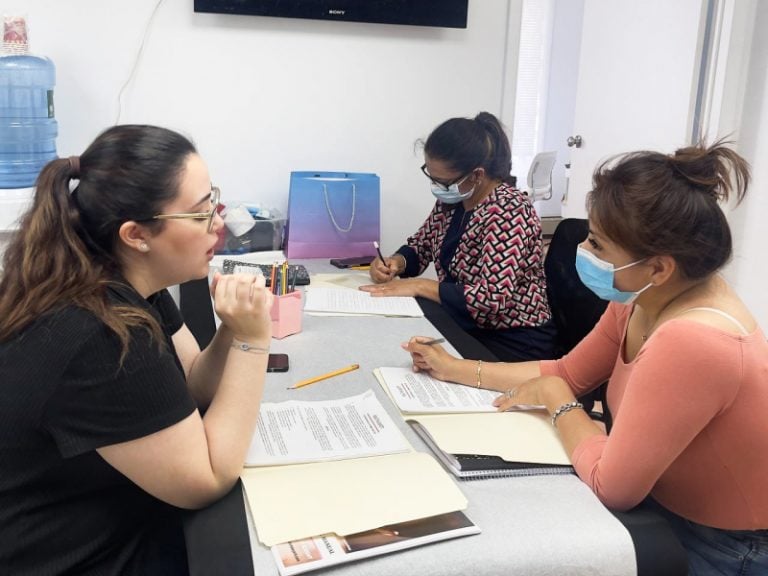
Students on the course

Critical Sanitation Pitfalls to Avoid

To keep your studio compliant and safe, ensure your team never falls into these common traps:

  • Reusing or washing single-use tools, needles, or disposable gloves.
  • Skipping the disinfection process for surfaces between back-to-back client appointments.
  • Storing sterile, packaged instruments in the same drawers or containers as non-sterile supplies.
  • Relying on standard cleaning solutions instead of utilizing a certified medical autoclave for reusable metal tools.

Compliance and Regulatory Standards

Health and safety regulations vary widely by region. Every PMU practitioner is legally and ethically obligated to stay up to date with their local, state, and federal health department mandates. Regularly auditing your studio practices against industry benchmarks ensures you consistently deliver safe, top-tier services while building a long, sustainable career in the cosmetic tattooing industry.

Why Choose All Esthetics for PMU Courses

PMU Courses at All Esthetics are created for students who want to learn permanent makeup in a personal, hands-on format instead of a crowded classroom. Training takes place in Floral Park, Long Island, and is led by Ella, a certified permanent makeup specialist with 21+ years of beauty industry experience. Students study sanitation, skin anatomy, color theory, pigments, machine control, brow mapping, lip blush, eyeliner, aftercare, and real practice with direct instructor feedback. PMU Courses at All Esthetics help beginners, estheticians, brow artists, and beauty professionals build a confident start in the permanent makeup industry.

Our students

Many of our graduates successfully work as cosmetologists, microblading specialists, and permanent makeup artists in various salons in New York.

Our Locations

Welcome to All Esthetics 

10 Verbena Ave, Floral Park, NY 11001.

📞 718-839-4494

Sign up for Microshading,  Microblading, Permanent Makeup Lips…