
Author: expert Ella Pill
Instagram: @ella_permanentmakeup
21 years in the beauty industry. An expert in permanent makeup for Eyebrows, Lips, and Eyeliner.
Permanent eyeliner makeup is a cosmetic tattoo procedure that places pigment along the lash line or eyelid area to create a more defined eye shape. It is a good option for people who want to save time on daily makeup, improve symmetry, or keep their eyes defined during workouts, workdays, and vacations. The most important limitation is that permanent eyeliner is not the same as regular eyeliner: shape, thickness, skin sensitivity, eye anatomy, and healing behavior all affect the final result.
Permanent eyeliner makeup is a form of permanent makeup, also called cosmetic tattooing or micropigmentation, applied near the upper lash line, lower lash line, or both. The pigment creates the effect of fuller lashes, a soft eyeliner enhancement, or a more visible eyeliner design depending on the technique and the client’s eye shape.
Permanent eyeliner makeup differs from daily eyeliner because the pigment is implanted into the skin instead of sitting on the surface. That difference makes the result long-lasting, but it also means the procedure requires precise mapping, sterile technique, and realistic expectations about swelling, healing, and color settling.
Permanent eyeliner is best for clients who want a consistent, low-maintenance eye definition without applying eyeliner every morning. It is especially useful for busy professionals, active clients, people with poor eyesight, people with unsteady hands, and clients who want their eyes to look more defined without wearing full makeup.
Permanent eyeliner can also help clients who have pale lash lines, sparse-looking lashes, or slight asymmetry. In those cases, lash line enhancement or a soft eyeliner style can create a more balanced and polished appearance without looking overly heavy.
Permanent eyeliner may not be the best choice for clients with active eye infections, uncontrolled skin conditions near the eyes, severe sensitivity, or medical factors that interfere with healing. Pregnancy, certain medications, recent eye procedures, and chronic inflammation can affect whether the procedure is appropriate and when it should be scheduled.
Clients with very watery eyes, strong lid creasing, hooded lids, oily skin near the eye area, or a history of poor pigment retention may still be candidates, but the design must be adjusted carefully. In permanent eyeliner, eye anatomy directly affects design because the eyelid fold, skin movement, and lash line visibility change how the pigment will look both open and closed.
Lash Line Enhancement
Lash line enhancement places pigment directly within or just above the lash line to make lashes appear fuller. Lash line enhancement is the most natural-looking type of permanent eyeliner and is often the best first option for conservative clients or clients new to permanent makeup.
Soft Eyeliner
Soft eyeliner creates more visible definition than lash line enhancement but still looks diffused rather than sharp. Soft eyeliner works well for clients who want an everyday polished look without the harsh effect of a dramatic makeup line.
Winged Eyeliner
Winged permanent eyeliner adds an extended tail to create a lifted effect. Winged eyeliner can look beautiful, but it requires the most careful design because eyelid folds, skin laxity, and facial asymmetry can make a wing heal differently than expected.
Lower Eyeliner
Lower eyeliner adds pigment beneath the lower lashes for extra eye definition. Lower eyeliner is not ideal for every client because lower-lid pigmentation can emphasize under-eye heaviness or create a stronger look than some clients want.
Regular eyeliner sits on top of the skin and can be changed every day. Permanent eyeliner is implanted into the skin, so shape and intensity must be chosen with more care because the result lasts much longer and fades gradually over time instead of washing off at night.
Permanent eyeliner is also different from liquid or pencil eyeliner in texture and edge quality. A healed permanent eyeliner result usually looks softer than freshly applied makeup, especially after the skin settles and some color softens during healing.
Permanent eyeliner starts with a consultation, not with pigment. During the consultation, the artist evaluates eye shape, eyelid fold, skin sensitivity, makeup habits, medical history, and the client’s desired level of definition to decide whether lash enhancement, soft liner, or a more visible liner is the safest and most flattering option.
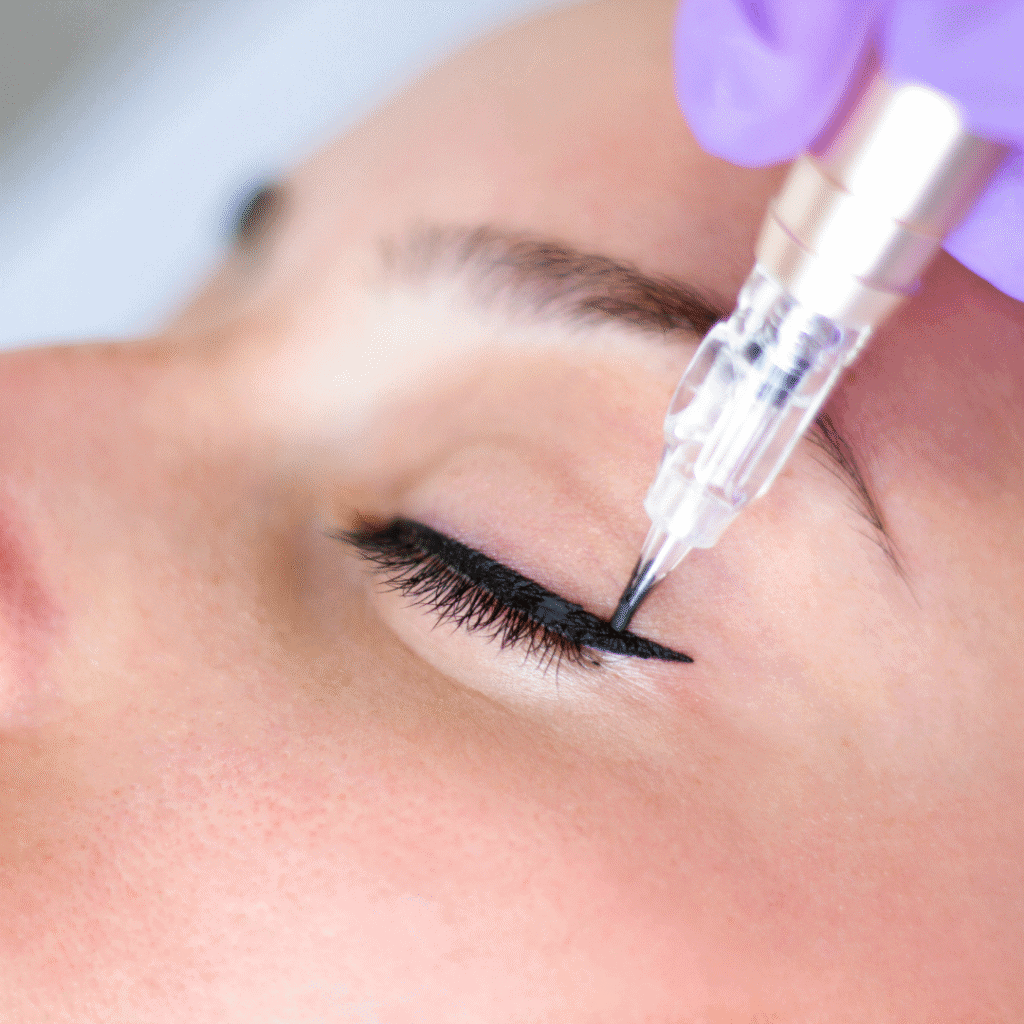
The procedure itself usually follows these steps:
The reason layering matters is that eyelid skin is delicate. Permanent eyeliner results depend on controlled saturation, proper depth, and conservative technique rather than aggressive implantation.
Permanent eyeliner can be uncomfortable, but most clients do not describe it as severe pain. Sensation depends on skin sensitivity, anxiety level, numbing response, eye watering, and whether the procedure involves only the lash line or a thicker eyeliner shape.
Upper eyelid skin is delicate, so clients usually feel vibration, scratching, pressure, or occasional sharp sensitivity rather than constant pain. A skilled permanent makeup artist manages discomfort by working in controlled passes and adjusting technique to the client’s sensitivity and eye behavior.
A permanent eyeliner appointment usually takes about 1.5 to 3 hours depending on the design, consultation time, skin sensitivity, and whether the procedure includes upper liner, lower liner, or both. A simple lash line enhancement usually takes less time than a winged eyeliner design because mapping and symmetry control are more complex with wings.
A touch-up appointment is commonly scheduled after the initial healing period. The second session matters because pigment retention, skin response, and minor asymmetries become easier to evaluate after the skin has fully settled.
Right after permanent eyeliner, the eyelids usually look darker, sharper, and more swollen than the final healed result. Mild swelling, tenderness, tightness, and watery eyes are common in the first 24 to 48 hours because the pigment application creates controlled skin trauma in a sensitive area.
The initial result should not be judged too early. Fresh permanent eyeliner often appears bolder because the pigment sits within recently treated skin, and the surface still holds inflammatory changes that make the line look stronger than it will after healing.
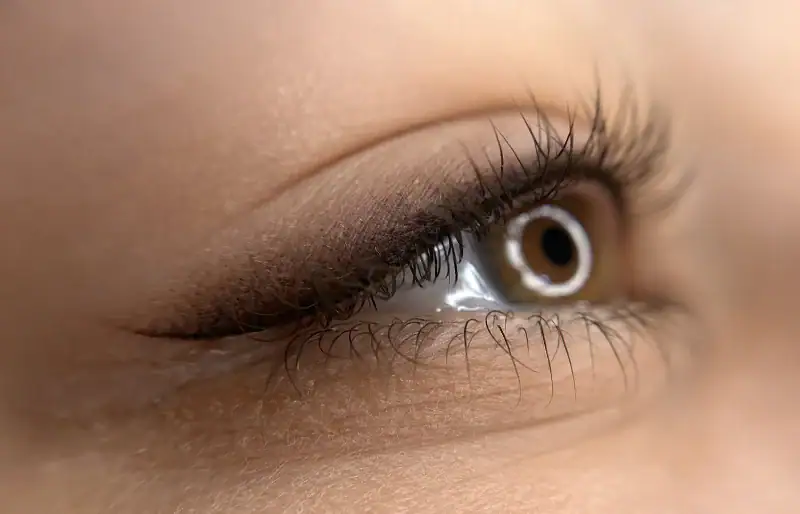
Permanent eyeliner healing usually happens in stages rather than all at once. During the first few days, the line may look darker and slightly swollen. Around days 4 to 7, dryness, light flaking, or a patchy appearance may develop. Over the next few weeks, the pigment softens and the shape looks more natural.
A full healed result is not immediate because skin regeneration changes the visible intensity of the pigment. Many artists recommend waiting about 6 to 8 weeks before judging the final result or making adjustments at the touch-up appointment.
Permanent eyeliner usually lasts between 1 and 5 years depending on skin type, pigment choice, sun exposure, immune response, skincare products, and the thickness of the design. Lash line enhancement may fade differently from a fuller eyeliner style because pigment density and placement affect how noticeable fading becomes over time.
Longevity is never determined by pigment alone. Oily skin, exfoliating products, strong sun exposure, and individual skin turnover can cause faster fading, while conservative skincare and good aftercare often help the result stay visible longer.
Yes, permanent eyeliner color can soften or shift over time. Black eyeliner may fade to a softer charcoal tone, while some pigments can heal cooler or lighter depending on the client’s skin undertone, immune response, and long-term sun exposure.
That is why pigment selection and technique matter from the start. Permanent eyeliner is not just about choosing “black” or “brown”; it is about choosing a pigment that heals predictably for the client’s skin and desired look.
Permanent eyeliner can be safe when it is performed by a properly trained, licensed professional using sterile protocols, correct pigment depth, and appropriate client screening. Safety depends on the artist’s technique, not just on the idea of the procedure itself.
The eye area requires extra caution because the skin is thin and sensitive. Permanent eyeliner should only be performed with strict hygiene, clean tools, careful hand control, and clear pre-care and aftercare instructions to reduce the risk of irritation, infection, or poor healing.
The main risks of permanent eyeliner include swelling, irritation, allergic reaction, infection, uneven healing, asymmetry, premature fading, and a style that does not suit the client’s anatomy. These risks increase when the design is too aggressive, the skin is poorly prepared, or the procedure is performed by an inexperienced artist.
There is also a design risk. A permanent eyeliner shape that looks good on paper may not look good on a hooded lid, mature lid, or asymmetrical eye. In eyeliner work, eye anatomy causes outcome variation because the eyelid changes the visible angle, thickness, and lift of the line.
Before permanent eyeliner, clients are usually advised to avoid alcohol, excessive caffeine, blood-thinning supplements unless medically necessary, and irritants that increase sensitivity. Contact lens use, lash extensions, recent lash lifts, and eye-area treatments should also be discussed because timing affects comfort and healing.
The goal of pre-care is to reduce swelling, bleeding, and skin reactivity. Cleaner skin behavior during the appointment usually leads to better pigment control and a smoother healing process.
After permanent eyeliner, clients usually need to avoid rubbing the eyes, swimming, saunas, steam rooms, heavy sweating, eye makeup, and picking at dry skin during early healing. These restrictions protect pigment retention because friction, moisture overload, and irritation can interfere with how the skin seals over the implanted color.
Aftercare is not a minor detail. In permanent eyeliner, healing behavior directly affects retention, crispness, and comfort, so poor aftercare can reduce the quality of even a well-executed procedure.
Eye makeup should usually be avoided during the initial healing stage, especially directly on or near the treated area. Applying eyeliner, mascara, shadow, or makeup remover too early can introduce bacteria, increase irritation, and disrupt healing skin.
Once the skin is fully healed, most clients can wear makeup as usual. In fact, many permanent eyeliner clients wear less makeup after healing because the lash line already looks more defined.
Yes, permanent eyeliner can sometimes be corrected, lightened, or removed depending on the pigment, age of the tattoo, depth, and the condition of the skin. Minor shape corrections may be possible with a touch-up, while unwanted pigment may require specialized removal methods.
Correction is always easier when the original eyeliner was designed conservatively. That is why many experienced artists prefer to build intensity gradually rather than create a very bold eyeliner at the first appointment.
The right permanent eyeliner style depends on eye shape, lid space, lash density, age-related skin changes, daily makeup habits, and the client’s comfort with visible makeup. Lash line enhancement is usually best for subtle definition, while soft eyeliner suits clients who want a more finished appearance without a dramatic wing.
If the client has hooded lids or mature eyelid skin, a smaller and cleaner design is often safer than a large wing. If the client already wears bold eyeliner every day, a stronger style may make sense, but only if the anatomy supports it.
Lash line enhancement is a type of permanent eyeliner, but it is the most natural and least makeup-like version. Lash line enhancement focuses on making the lashes look denser, while traditional permanent eyeliner creates a more obvious line above the lashes.
If a client says, “I want my eyes to look brighter but not like I’m wearing makeup,” lash line enhancement is often the better option. If a client wants visible definition that replaces daily eyeliner, soft eyeliner or a fuller eyeliner design may be the better fit.
Permanent eyeliner is better for convenience and long-term definition, while liquid eyeliner is better for flexibility and trend changes. Permanent eyeliner suits clients who want to save time and keep their eye definition consistent, while liquid eyeliner suits clients who like to change thickness, shape, or drama from day to day.
The better option depends on the goal. If the priority is daily convenience, permanent eyeliner usually wins. If the priority is maximum variety, daily makeup remains the better choice.
Welcome to All Esthetics
10 Verbena Ave, Floral Park, NY 11001.
Sign up for Microshading, Microblading, Permanent Makeup Lips…