
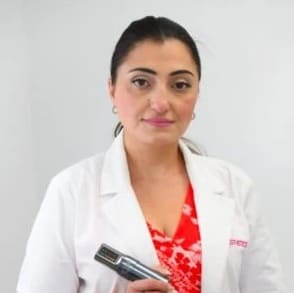
Author: expert Ella Pill
Instagram: @ella_permanentmakeup
21 years in the beauty industry. An expert in permanent makeup for Eyebrows, Lips, and Eyeliner.
If you have Black skin or a deeper complexion and you are thinking about semi-permanent brows, the best technique is usually not chosen by trend alone. The right option depends on how your skin heals, how much oil your skin produces, how well crisp strokes are likely to hold, and whether your artist truly understands working with melanin-rich skin. In many cases, microshading or a soft machine-based approach is more predictable than traditional microblading, but the final choice should always be based on your skin, your brow goals, and your artist’s experience.
Black skin and deeper skin tones can absolutely be beautiful candidates for brow permanent makeup. But the approach should be more thoughtful. Darker skin tones are more prone to post-inflammatory hyperpigmentation, which means excess pigment or darkening can appear after skin injury or inflammation. This matters because all brow tattoo techniques involve controlled skin trauma, but some techniques are more aggressive than others.
Another important factor is visibility. On deeper complexions, ultra-fine hair strokes may not always read as clearly as they do on lighter skin, especially once healed. Add oily skin or larger pores into the equation, and those strokes may soften faster or lose crisp definition over time. That is one reason many experienced artists prefer soft shading, powder effects, or carefully selected machine techniques for darker skin tones instead of relying only on manual blade strokes.
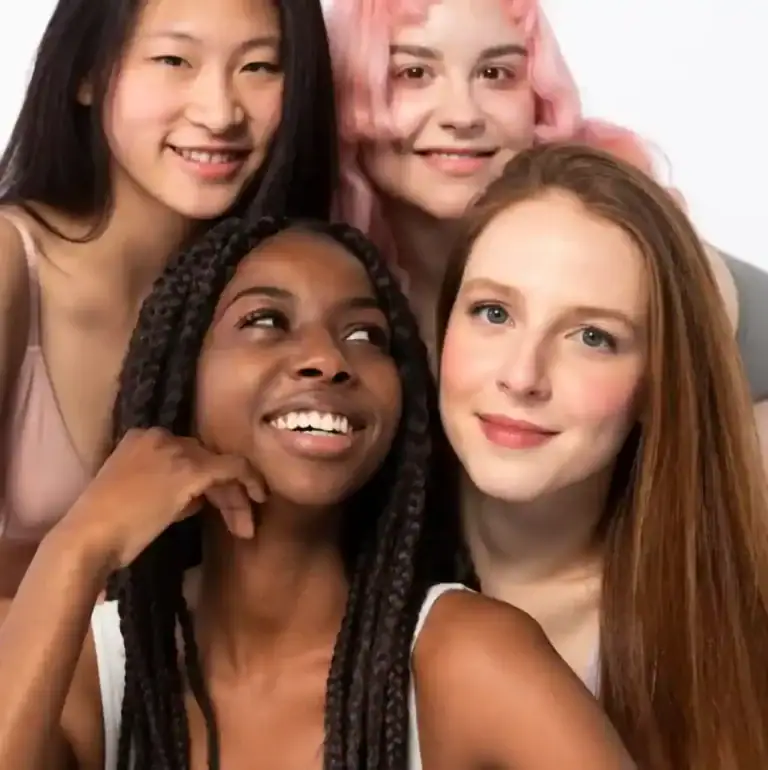
Microblading is a manual brow tattoo technique that uses a handheld tool with tiny needles arranged like a blade to create hair-like cuts in the skin. Pigment is then deposited into those strokes to mimic natural brow hairs. Scientifically, microblading is considered a form of superficial micropigmentation.
Pros of Microblading for Dark Skin
Microblading can look very natural when the skin type is suitable, the brow pattern is sparse rather than completely empty, and the artist is highly skilled. It may appeal to clients who want a realistic hair-stroke effect instead of a softly powdered brow.
Cons of Microblading for Dark Skin
For many Black clients and clients with deeper skin tones, traditional microblading is not always the safest or most stable first choice. Because it relies on small incisions, it can be more traumatic to the skin than softer machine work. On melanin-rich skin, more trauma can mean a higher chance of unwanted pigment changes during healing. Fine blade strokes may also heal blurrier or show less contrast, especially on oily skin. If the client has a history of keloids or abnormal scarring, microblading may be a poor option altogether.
Who May Be a Good Candidate for Microblading
Microblading may work best for someone with deeper skin who has relatively balanced, non-oily skin, good healing history, no keloid tendency, and realistic expectations about softness after healing. It is usually better for clients who want a subtle enhancement, not dense makeup-style brows.
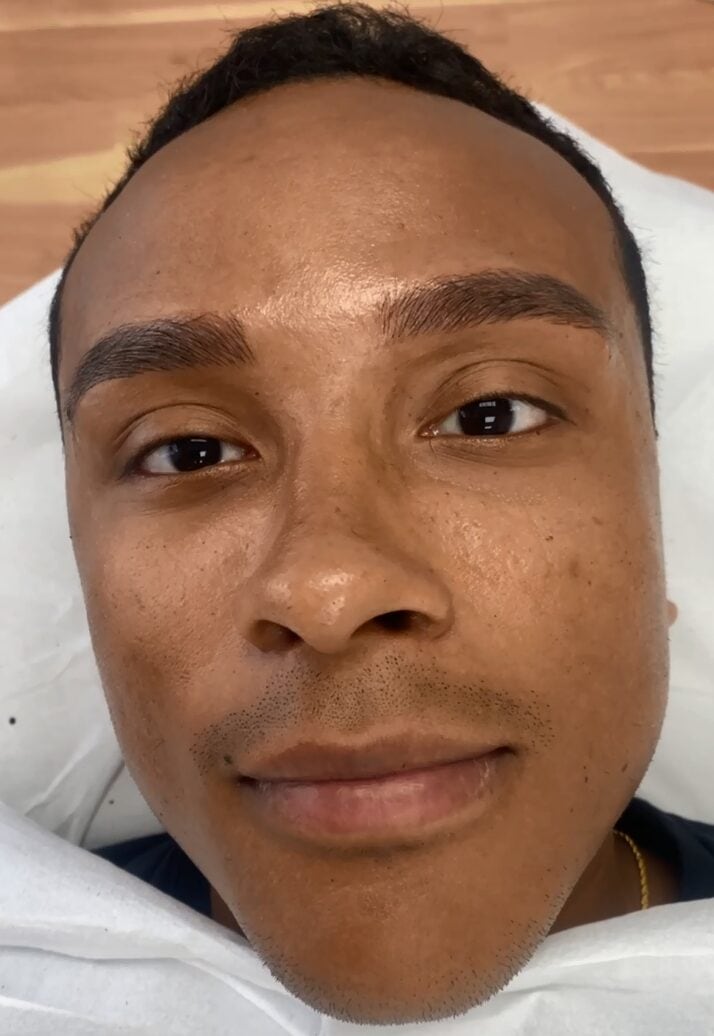
Nano brows are a machine-based brow tattoo technique that uses a digital device and an ultra-fine needle to create hair-like strokes. Compared with traditional microblading, nano brows are generally described as more precise and less traumatic because the artist can control depth more consistently with the machine.
Why Nano Brows Can Be Better Than Microblading for Dark Skin
For melanin-rich skin, nano brows are often considered a better hair-stroke option than classic microblading because the technique can be gentler and more controlled. That does not mean nano brows are automatically ideal for every Black client, but they often make more sense than manual blade work when someone wants a soft, natural hair pattern without the same level of skin slicing.
The Limitation of Nano Brows on Oily or Very Textured Skin
Nano brows still rely on delicate strokes. If the skin is very oily, porous, or prone to blurring, those strokes may still lose definition over time. In those cases, a shaded technique may remain the more reliable option.
Who May Be a Good Candidate for Nano Brows
Nano brows can be a strong option for dark skin clients who want the most natural-looking result possible, prefer hair strokes over makeup effect, and have skin that is not excessively oily. They are also worth considering for clients who are not ideal candidates for microblading but still want a stroke-based look.
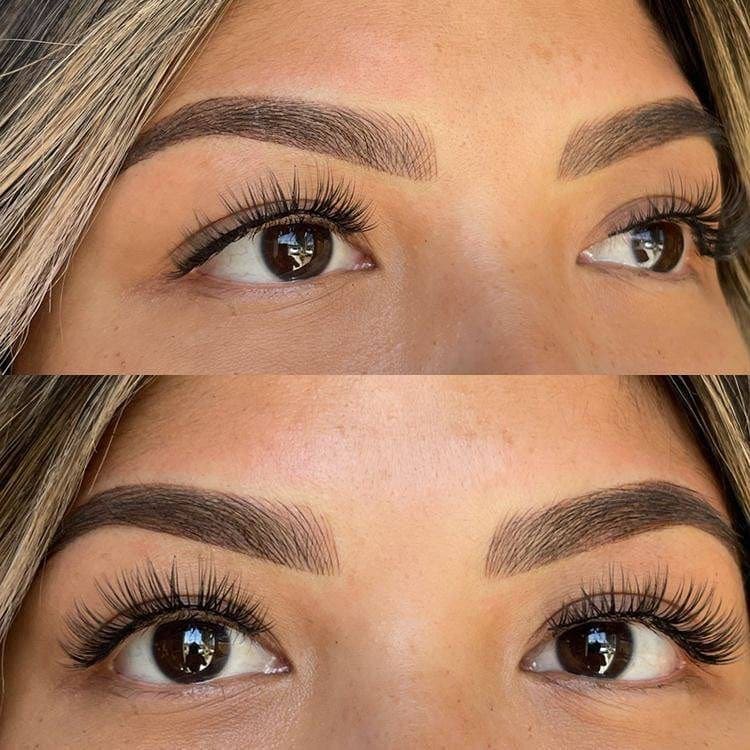
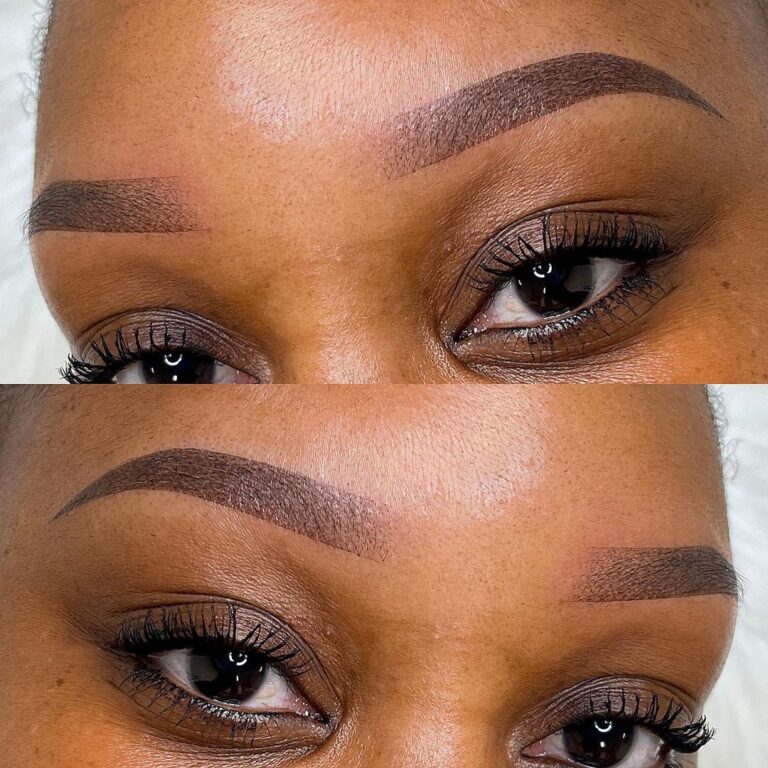
Microshading, often called powder brows or ombré shading depending on the finish, creates a soft cloud of pigment rather than individual hair strokes. Instead of trying to imitate every brow hair, it builds shape and density with tiny pixels or shading. The result can be very soft and natural or more polished and makeup-like depending on how the artist designs it.
Why Microshading Is Often the Best Choice for Black or Dark Skin
For many clients with dark skin, microshading is often the most dependable option because it usually heals more evenly and remains visually balanced longer than ultra-fine strokes. On deeper skin tones, a soft powder finish often reads better than individual blade lines, and on oily skin it can hold shape more predictably over time. This is why many experienced brow artists consider microshading the safer and more forgiving starting point for melanin-rich skin.
Who May Be a Good Candidate for Microshading
Microshading is often a strong fit for clients with oily skin, mature skin, larger pores, previous brow work that needs blending, or anyone who wants fuller-looking brows instead of sparse hair strokes. It is also a smart option for clients who want a polished brow that still heals soft.
If your priority is the most delicate hair-stroke effect possible, nano brows are usually a better starting point than traditional microblading. If your priority is longevity, lower maintenance, and a result that usually reads better on deeper skin tones, microshading often wins. If you have oily skin, blurred pores, previous pigment, or concerns about how clean strokes will heal, microshading is often the most practical choice.
Traditional microblading is not impossible on Black skin, but it is the technique that usually demands the most caution. The skin must be assessed carefully, and the artist needs real experience with darker complexions, healed results, and pigment behavior over time. Without that experience, the client is more likely to end up with strokes that heal too soft, too dark, or not visible enough.
The decision is not made by race alone. Two Black clients may need completely different techniques. One may have dry, resilient skin and do well with nano strokes. Another may have oily, reactive skin and do far better with powder brows. The best artist evaluates:
That kind of individualized assessment is what leads to safer and more beautiful results.
Because permanent makeup is a form of tattooing, clients should understand the same core safety concerns: infection, allergic or inflammatory reactions, unsatisfactory color shift, and challenges if removal is needed later. The FDA notes that permanent makeup falls under tattooing and warns about infections, adverse reactions, and pigment-related concerns.
For deeper skin tones, the most important discussion points include:
Post-Inflammatory Hyperpigmentation
Darker skin is more prone to PIH after any inflammatory procedure, including aggressive brow work. This does not mean PMU is unsafe for dark skin. It means technique, depth control, and gentle healing matter more.
Keloid Risk
If you have a personal history of keloids or raised scars, you need a serious consultation before any brow tattooing. Skin trauma can trigger keloids in predisposed individuals, and darker skin populations are affected more often.
Color Selection and Undertones
Brows on dark skin should not simply be made “darker.” Pigment choice has to harmonize with the client’s undertone, brow hair color, and desired softness. Poor pigment selection can make the brows look too flat, too ashy, or too harsh after healing.
Removal Can Be More Complicated
If a client chooses the wrong technique or artist, correction can be difficult. Laser tattoo removal in darker skin can be successful, but darker skin types are at higher risk for pigment changes, so prevention is better than correction.
For this topic, artist selection matters almost as much as technique selection. The best PMU artist for dark skin is not simply someone who offers brow services. You want someone who can show:
A good artist should never promise that one trending method is perfect for everyone. They should explain why they are recommending nano brows, microshading, or a hybrid option based on your skin.
For many clients with Black or dark skin, microshading is often the safest and most consistently flattering choice, especially if the skin is oily, textured, or prone to softening strokes. Nano brows can be an excellent option for clients who want a natural hair-stroke effect and have skin that can support that level of detail. Traditional microblading is usually the technique that requires the most caution because it is more traumatic and less forgiving on skin that is reactive, oily, or prone to pigment changes.
The best answer is not “Black skin cannot get microblading.” The better answer is this: melanin-rich skin deserves a tailored technique, an experienced artist, and realistic expectations about healing and long-term softness.
If you are choosing between microblading, nano brows, and microshading for dark skin, think beyond Instagram trends. The real goal is not the trendiest technique. It is the technique that will heal beautifully on your skin, suit your brow goals, and still look good months later.
For many Black women and clients with deeper skin tones, that often means choosing a softer, smarter approach over the most aggressive one. And in permanent makeup, that decision can make all the difference.
Welcome to All Esthetics
10 Verbena Ave, Floral Park, NY 11001.
Sign up for Microshading, Microblading, Permanent Makeup Lips…