
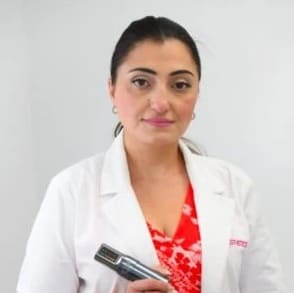
Author: expert Ella Pill
Instagram: @ella_permanentmakeup
21 years in the beauty industry. An expert in permanent makeup for Eyebrows, Lips, and Eyeliner.
Lips permanent makeup is a cosmetic tattoo procedure that adds soft color, improves lip definition, and corrects uneven tone without creating the volume effect of lip fillers. The procedure suits people who want a more polished lip look with less daily makeup, but lips permanent makeup is not the best choice for clients with active infections, certain skin conditions, or unrealistic expectations about shape and results.
Lips permanent makeup is a form of cosmetic tattooing that implants pigment into the lips to enhance color, improve the lip border, and create a more even appearance. Lips permanent makeup is often chosen by clients who want their lips to look fresher and more defined without reapplying lipstick throughout the day.
Lips permanent makeup does not work like lip filler. Lip filler adds physical volume, while lips permanent makeup changes color perception and visual definition. That difference matters because many clients expect a fuller shape, but color enhancement can only create a subtle visual effect, not structural fullness.
Lips permanent makeup improves faded lip color, blurred borders, cool or uneven undertones, and lips that look pale without makeup. Many clients choose lips permanent makeup because it helps them look more put together in everyday life, on camera, or at work without relying on lip liner and lipstick.
Lips permanent makeup can also visually balance minor asymmetry in color distribution. A skilled artist can create a more even lip appearance by adjusting pigment placement, but lips permanent makeup cannot fully correct strong anatomical asymmetry or replace medical or injectable treatment.
Lips permanent makeup is a good option for clients who want long-lasting color, better lip definition, and less daily makeup maintenance. It is especially useful for people with naturally pale lips, cool-toned lips, uneven pigmentation, or lips that have lost vibrancy over time.
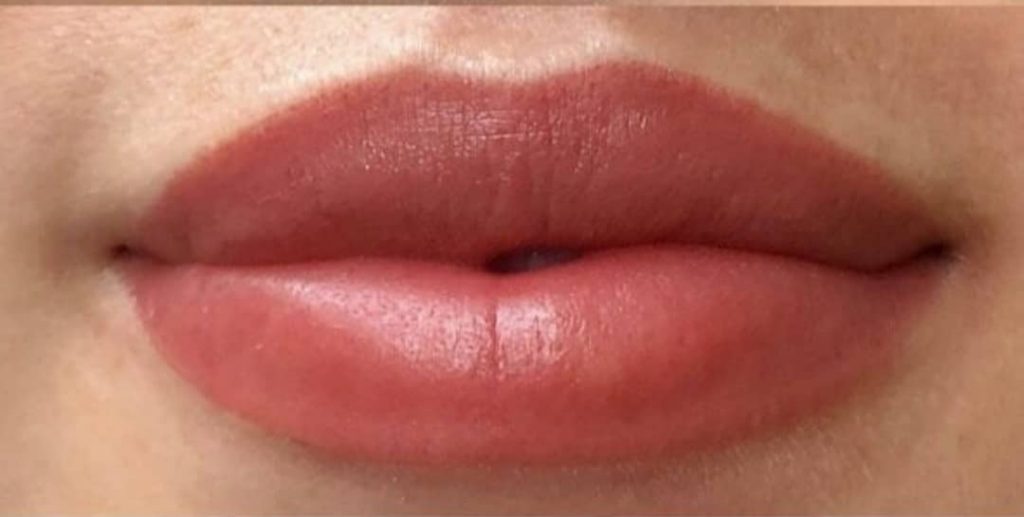
Lips permanent makeup also suits clients who want a soft, natural result instead of a heavy lipstick look. A natural-looking healed result depends on lip condition, pigment choice, skin response, and proper healing, so the best candidates are people willing to follow aftercare and return for a touch-up if needed.
Lips permanent makeup is not suitable during active cold sores, open cuts, active inflammation, or uncontrolled skin irritation on or around the lips. The lips are delicate tissue, and irritation, viral activity, or broken skin can affect pigment retention and healing quality.
Clients should also postpone lips permanent makeup if they are sick, recently had lip filler, recently had aggressive exfoliation around the mouth, or are prone to poor healing without discussing it with a qualified professional. Safety always depends on a proper pre-procedure review, not just the client’s aesthetic goal.
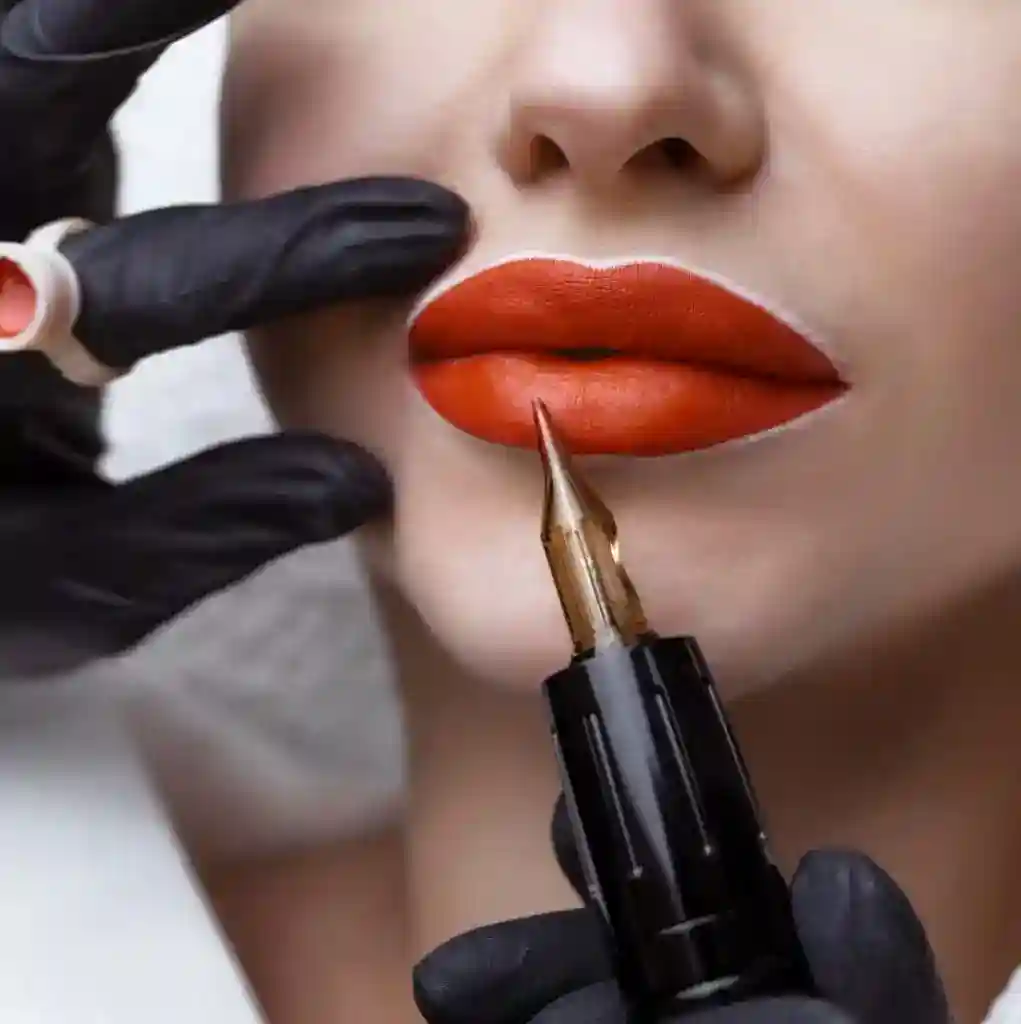
Lips permanent makeup works by placing cosmetic pigment into the upper layers of the lip tissue with a tattoo machine and specialized needles. The artist maps the lips, selects a pigment family, builds color gradually, and adjusts depth and technique based on lip tone, sensitivity, and the desired healed finish.
The final healed color is not the same as the fresh result. Fresh lips permanent makeup usually looks brighter, deeper, and more intense in the first days, then softens during healing. That healing shift is normal because surface pigment, inflammation, and tissue recovery affect how the lips look at each stage.
Lips permanent makeup can be performed in different styles depending on the goal, natural lip tone, and desired finish. The most common styles are lip blush, neutralization, and more defined lipstick-style enhancement.
Lip Blush
Lip blush gives the lips a soft wash of color and a natural-looking enhancement. Lip blush works best for clients who want healthy-looking lips with a subtle tint instead of a bold makeup effect.
Lip Neutralization
Lip neutralization is used when the lips have cool, dark, purple, or uneven undertones that need color correction before a balanced healed shade can be achieved. Neutralization requires more technical skill because the artist must work with undertone theory, not just surface color preference.
Lipstick-Effect Tattoo
A lipstick-effect lip tattoo creates stronger definition and a more visible color result. This style can work for clients who wear lip color daily, but it usually requires careful expectation-setting because healed lips permanent makeup still looks softer than traditional lipstick.
A lips permanent makeup appointment usually begins with a consultation, color planning, lip assessment, and shape discussion. The artist checks lip tone, condition, border definition, asymmetry, and any limitations that can affect the final result.
After mapping and pigment selection, the artist performs the procedure in passes to build the color gradually. The exact time depends on lip condition, sensitivity, complexity of correction, and the chosen style, but the process usually includes preparation, numbing, pigment implantation, and aftercare instructions before the client leaves.
Lips permanent makeup can be uncomfortable, but most clients describe the procedure as manageable rather than unbearable. Lip tissue is sensitive, so discomfort depends on pain tolerance, lip condition, anxiety level, and the technique being used.
Topical numbing is commonly used to reduce discomfort during lips permanent makeup. Even with numbing, clients can still feel vibration, pressure, and tenderness because no numbing method removes all sensation completely.
Lips permanent makeup usually lasts around 1.5 to 3 years, but longevity depends on pigment choice, skin chemistry, immune response, lifestyle, sun exposure, and how well the client follows aftercare. A touch-up is often needed because lips tend to heal softer than they look immediately after the first session.
Lighter healed shades may fade faster than stronger healed shades. Frequent sun exposure, smoking, exfoliating products, and individual metabolism can also reduce retention, so longevity is never identical from one client to another.
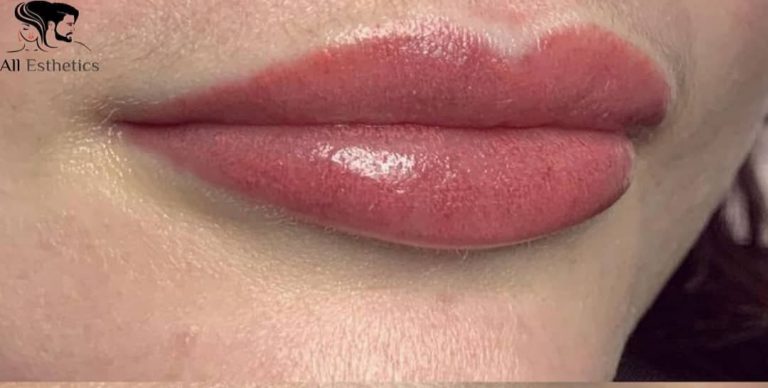
The final lips permanent makeup result is not visible on day one. Most clients see a brighter and swollen appearance first, then experience dryness, flaking, and a temporary faded phase before the color settles more evenly.
A realistic evaluation of lips permanent makeup usually happens several weeks after healing, not during the first few days. That timeline matters because judging the shape or color too early often leads to unnecessary concern.
Lips permanent makeup healing usually includes swelling, tenderness, dryness, and light flaking in the first days. The lips often look stronger in color right after the procedure, then softer and patchier as the surface layer exfoliates.
The deeper stabilized color appears later as the lips recover. Healing quality depends on aftercare, hydration balance, friction control, and whether the client avoids irritation from spicy foods, excessive moisture, picking, or harsh skincare around the mouth.
Mild swelling, sensitivity, tightness, dryness, and temporary unevenness are normal after lips permanent makeup. Those reactions happen because the lip tissue is healing from controlled pigment implantation.
Heavy picking, severe prolonged swelling, unusual discharge, or signs of infection are not normal. Those signs require professional guidance because safety matters more than appearance during healing.
The most important lips permanent makeup aftercare rules are keeping the area clean, avoiding friction, not picking flakes, and following the artist’s instructions exactly. Good aftercare protects both color retention and skin recovery.
Clients usually need to avoid excessive kissing, lip biting, irritating foods, intense workouts in the first phase, and unapproved skincare products on the lips. A careless healing period can reduce pigment retention and create uneven healed results even when the procedure itself was done correctly.
Lips permanent makeup often requires two sessions for a stable, polished result. The first session creates the base shape and color, while the touch-up corrects areas that healed lighter and refines balance.
Complex cases such as dark lip neutralization or lips with strong uneven undertones may require more than one follow-up. The number of sessions always depends on the starting point, not just on the desired color.
Lips permanent makeup can make lips look slightly fuller visually by improving border definition and color contrast. That effect is optical, not structural, so lips permanent makeup cannot replace lip filler.
This distinction is important for expectation-setting. Clients seeking actual volume, projection, or stronger shape change usually need to compare lips permanent makeup with lip filler instead of assuming both procedures solve the same problem.
Lips permanent makeup changes color, improves visual definition, and reduces the need for lip makeup. Lip filler changes physical volume, contour support, and projection.
If the main goal is fuller lips, lip filler is usually the better choice. If the main goal is color correction, better definition, and a polished everyday appearance, lips permanent makeup is usually the more appropriate option.
Lips permanent makeup gives a long-lasting base color that stays on throughout the day. Lipstick gives more flexibility because the color, intensity, and finish can change from day to day.
Lips permanent makeup works well for clients who want convenience, while lipstick works better for clients who enjoy frequent color changes. Many clients use both, with lips permanent makeup as the base and lipstick for special occasions.
Lips permanent makeup can improve dark, cool, or uneven lip tone, but correction is not always a one-session process. Dark lip correction usually requires neutralization techniques that address undertones before the final target shade can be achieved.
The result depends on the original lip tone, undertone depth, healing response, and pigment strategy. Clients with cool or dark lips need a realistic plan because neutralization is a color-correction procedure, not a simple “pick any pink” service.
Pigment retention in lips permanent makeup depends on lip health, hydration level, immune response, aftercare, and lifestyle exposure. Thin, damaged, frequently irritated, or chronically dry lips may heal less evenly than healthy lips.
Technique also affects retention. Needle depth, pressure control, pigment selection, and pass strategy all influence how the lips hold color, which is why artist experience matters more than trendy before-and-after photos.
A common mistake before lips permanent makeup is arriving with dry, cracked, or poorly prepared lips. Unprepared lips can make implantation less even and healing less predictable.
Another mistake is expecting the fresh result to be the final result. Clients who understand the healing timeline, likely color shift, and need for refinement usually feel more confident and make better decisions.
The most common aftercare mistake is picking, rubbing, or over-touching the lips during healing. Mechanical irritation can pull out healing pigment and create patchiness.
Another common mistake is ignoring instructions about exposure, products, or behaviors that irritate the lips. Lips permanent makeup heals best when clients treat the lips like healing tissue, not like fully recovered skin.
Lips permanent makeup can be safe when it is performed by a qualified professional using sterile tools, proper protocols, and appropriate client screening. Safety depends on hygiene, training, pigment quality, contraindication review, and aftercare compliance.
Lips permanent makeup is not a casual beauty treatment because the lips are sensitive tissue and healing matters. Clients should choose a studio that treats safety as part of the procedure, not as a marketing phrase.
Swelling after lips permanent makeup usually improves within the first one to two days. The exact duration depends on sensitivity, technique, and the body’s inflammatory response.
Lips permanent makeup does not always fade perfectly evenly because retention depends on lip texture, aftercare, lifestyle, and natural healing differences across the lips. A touch-up helps refine areas that heal lighter.
Lips permanent makeup is possible after lip filler, but timing matters. The lips should be fully settled before tattooing so the artist can assess the true shape and tissue condition accurately.
Lips permanent makeup can look very natural when pigment choice, technique, and shape planning match the client’s lip tone and aesthetic goal. Natural results depend more on artist judgment than on trendy color names.
Lips permanent makeup can improve minor visual asymmetry, especially when color distribution or border clarity is uneven. Lips permanent makeup cannot fully correct major structural asymmetry.
One session is sometimes enough for a soft improvement, but two sessions are commonly needed for a finished and balanced result. Retention and refinement usually determine whether the touch-up is necessary.
The best lips permanent makeup color is the one that fits your natural undertone, skin tone, and desired healed look. A good artist chooses pigment based on healed outcome, not just on the fresh swatch.
Welcome to All Esthetics
10 Verbena Ave, Floral Park, NY 11001.
Sign up for Microshading, Microblading, Permanent Makeup Lips…