
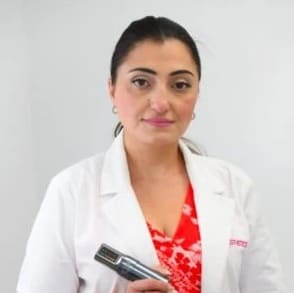
Author: expert Ella Pill
Instagram: @ella_permanentmakeup
21 years in the beauty industry. An expert in permanent makeup for Eyebrows, Lips, and Eyeliner.
Preparing for lip permanent makeup should begin before the day of the appointment, especially if you have ever had a cold sore. The most important steps are to disclose your herpes history, discuss prescription antiviral prevention with a healthcare provider, postpone the procedure if your lips are irritated or blistered, and choose a licensed permanent makeup artist who follows strict infection-control protocols.
Some swelling after lip blush is a normal response to controlled skin trauma. Cold sores and excessive swelling cannot always be prevented completely, but careful screening, appropriate medical guidance, gentle lip care, and correct aftercare can significantly reduce avoidable risks.
Medical note: A permanent makeup artist cannot diagnose herpes or prescribe medication. Antiviral treatment and prophylaxis must be discussed with a physician, dermatologist, dentist, or another qualified healthcare provider.
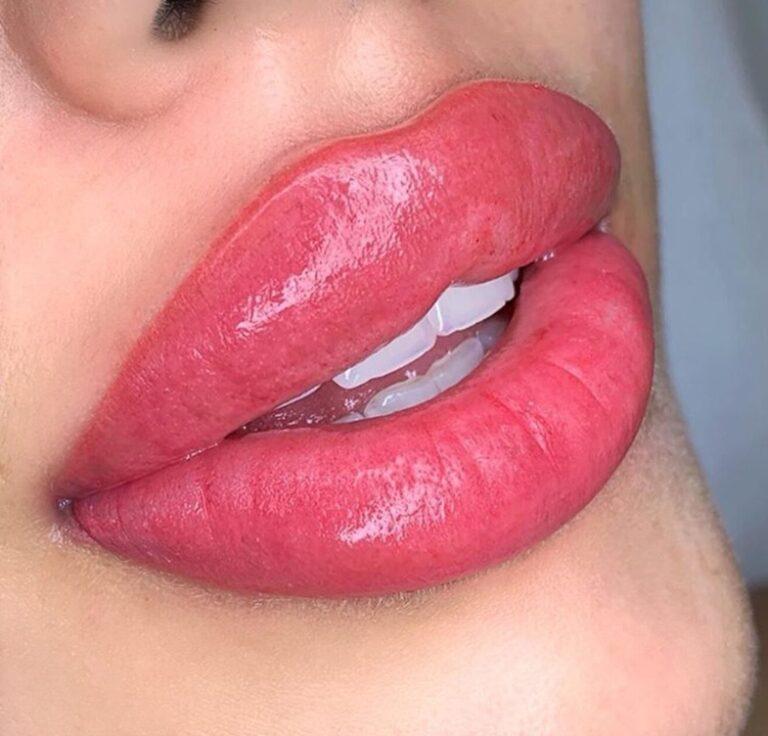
Lip blush is a form of cosmetic tattooing in which pigment is implanted into the lip tissue through repeated needle passes. The process creates controlled micro-injuries that initiate inflammation and healing.
Herpes simplex virus type 1, or HSV-1, can remain inactive in the nervous system after the initial infection. Physical trauma, lip manipulation, inflammation, fatigue, ultraviolet exposure, temperature extremes, and dental or cosmetic procedures may reactivate the virus. A lip blush appointment can therefore act as a trigger in someone who carries HSV-1, even when no cold sore is visible on the appointment day.
A history of cold sores does not automatically mean that a client cannot receive lip permanent makeup. It means the client needs an individual risk assessment and may need a physician-directed antiviral prevention plan.
Tell both your permanent makeup artist and healthcare provider if you have ever experienced:
A detailed history matters because some people have mild or infrequent symptoms and may not think of them as herpes. Early HSV symptoms can include localized tingling, itching, burning, pain, or an unusual sensation before visible blisters develop.
Clients with immune system disorders, clients taking immunosuppressive medication, and clients with frequent outbreaks require additional medical evaluation. Elective permanent makeup should not proceed until the healthcare provider and permanent makeup artist agree that the procedure is appropriate.
A healthcare provider may prescribe an oral antiviral medication such as acyclovir, valacyclovir, or famciclovir for a client with a history of cold sores. The medication, dosage, start date, and duration depend on the client’s medical history, kidney function, other medications, outbreak frequency, and the healthcare provider’s clinical judgment.
Clinical guidance for cosmetic procedures supports risk-based antiviral prophylaxis when a procedure breaches the skin around the lips, particularly when a patient has experienced herpes reactivation after a previous aesthetic treatment. However, research specifically measuring HSV risk after lip tattooing remains limited, so no single medication schedule is appropriate for every client.
Do not:
Antiviral medication lowers risk but does not guarantee that an outbreak will not occur. Contact the prescribing healthcare provider immediately if tingling, burning, blisters, or sores appear despite prophylaxis.
Two to Four Weeks Before the Appointment
Schedule a consultation rather than relying only on online messages. The consultation should include a discussion of your desired color, lip condition, medical history, previous cosmetic procedures, allergies, medications, cold sore history, healing expectations, and aftercare responsibilities.
Ask the permanent makeup artist:
Permanent makeup carries risks that include infection, allergic reaction, swelling, burning, scarring, and pigment-related complications. The FDA also warns that contaminated tattoo inks can introduce microorganisms into the skin, including when a container appears unopened.
About One Week Before the Appointment
Keep the lips comfortable and protected rather than trying to “deeply exfoliate” them at the last moment.
Use a simple lip moisturizer that you have already tolerated. Protect the lips from sunburn and weather exposure with a broad-spectrum lip balm containing SPF 30 or higher when appropriate. Sun exposure can trigger cold sores in some people, and damaged lips provide a poor surface for cosmetic tattooing.
Avoid aggressive lip scrubs, picking, biting, chemical exfoliants, and unfamiliar cosmetic products. Strong exfoliation can create tiny cracks and inflammation that interfere with pigment implantation and healing.
Begin physician-prescribed antiviral medication exactly when directed. Do not change the schedule based on advice from social media, another client, or a permanent makeup artist.
Forty-Eight Hours Before the Appointment
Inspect the lips for tingling, burning, unusual sensitivity, cracks, blisters, or redness. Contact the artist before arriving if anything has changed.
Avoid waxing, chemical peels, aggressive facials, or other irritating treatments directly around the mouth. Do not experiment with lip-plumping products, strong acids, retinoids near the lip border, or new topical products immediately before the appointment.
Continue normal prescribed medications unless your healthcare provider gives different instructions. Never stop blood thinners, aspirin prescribed for cardiovascular protection, or another medically necessary drug solely because a cosmetic artist suggested it.
On the Day of Lip Blush
Eat a normal meal and drink enough water before the appointment. Arrive with clean lips and without lipstick, lip liner, gloss, or plumping products.
Bring a complete medication list and remind the artist about:
Do not proceed because you are worried about losing a deposit. A responsible artist will prioritize healthy tissue and safe healing over keeping the original appointment date.
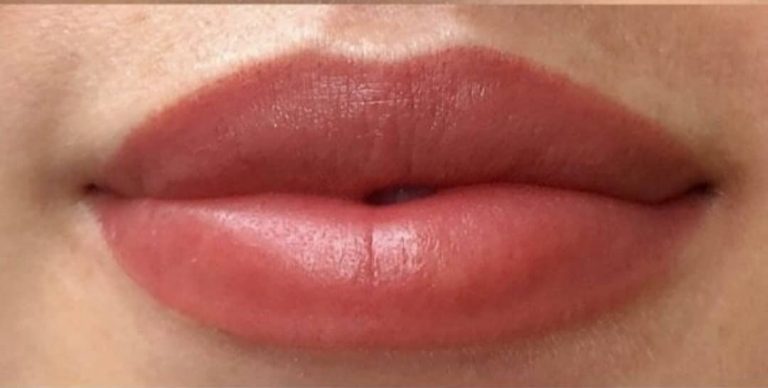
Swelling develops because the lip tissue responds to repeated needle contact with inflammation. Lips contain a dense network of blood vessels and can react more visibly than eyebrow or eyeliner treatment areas.
Temporary redness, tenderness, mild bruising, and swelling can occur after lip blush. The amount varies according to skin sensitivity, treatment intensity, the condition of the lips, individual inflammatory response, and the length of the appointment.
Swelling cannot always be eliminated. The practical goal is to prevent unnecessary irritation, recognize abnormal symptoms early, and avoid actions that prolong inflammation.
Use a Cool Compress Correctly
A cool compress may help reduce discomfort and swelling after lip blush. Place a clean, cool compress over the area for short intervals according to the artist’s instructions.
Do not place loose ice directly on freshly tattooed lips. Direct ice can irritate injured tissue, introduce contamination, or expose the lips to excessive cold. Cleveland Clinic recommends ice or a cold compress for post-procedure lip blush swelling, along with careful aftercare.
Keep the Lips Clean
Touch the treated area only with clean hands. Use only the cleanser, ointment, or healing product recommended by the artist.
Applying several balms, antibiotic creams, essential oils, makeup products, or home remedies can cause irritation and make it difficult to identify the cause of a reaction. More product does not necessarily mean faster healing.
Do Not Pick Flaking Skin
Light flaking or crusting may occur as the lips heal. Pulling off dry skin can reopen the surface, remove pigment, increase inflammation, and raise the risk of infection.
Allow the surface to release naturally. Keep the lips protected according to the written aftercare protocol.
Avoid Additional Irritation
Smoking can expose healing lips to heat, chemicals, repetitive movement, and contamination. Cleveland Clinic specifically recommends avoiding smoking after lip blushing.
Follow the artist’s instructions concerning hot drinks, spicy food, alcohol, intense exercise, steam rooms, saunas, swimming, kissing, lipstick, and other activities during early healing. Aftercare requirements can vary according to the technique and products used.
Plan for Visible Recovery
Do not schedule lip blush immediately before a wedding, professional photo shoot, vacation, important meeting, or social event. Even an uncomplicated procedure can cause visible swelling, redness, flaking, and temporarily intense pigment color.
The healed result cannot be judged during the first few days. Initial color commonly appears stronger while the tissue is swollen and the surface is healing.
Before attending your appointment, confirm that:
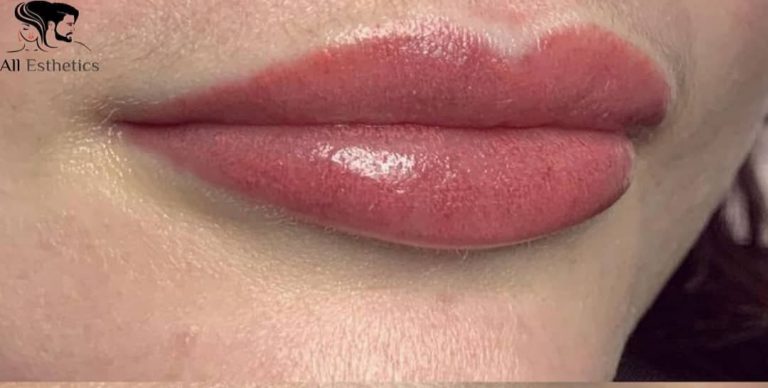
Want more defined lips and a fresh, balanced color without applying lipstick every day? Lip blush at All Esthetics is customized to your natural lip tone, skin undertone, and desired result. The procedure can enhance faded lip color, improve the appearance of the contour, and create a soft, natural-looking tint without adding volume.
Every appointment includes a personalized consultation, shade selection, preparation guidance, and detailed aftercare instructions to support comfortable healing and an even result.
Book your lip blush consultation at All Esthetics and discover a lip color designed specifically for you.
Safe lip blush preparation requires more than moisturizing the lips the night before. Clients need honest medical screening, early communication about cold sores, physician-directed antiviral prevention when appropriate, healthy and intact lip tissue, a properly trained artist, sterile working practices, and a clear aftercare plan.
A cold sore history does not necessarily rule out lip permanent makeup. However, ignoring herpes symptoms or proceeding with irritated lips creates an unnecessary risk. Proper preparation reduces the likelihood of an outbreak, helps control swelling, supports more predictable healing, and protects the final pigment result.
Welcome to All Esthetics
10 Verbena Ave, Floral Park, NY 11001.
Sign up for Microshading, Microblading, Permanent Makeup Lips…