
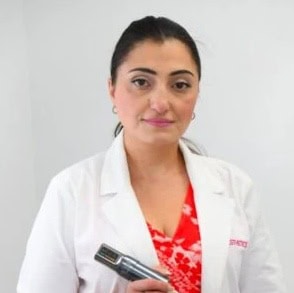
Author: expert Ella Pill
Instagram: @ella_permanentmakeup
21 years in the beauty industry. An expert in permanent makeup for Eyebrows, Lips, and Eyeliner.
Eyebrow microblading can change color because pigment, skin, healing, sun exposure, skincare ingredients, and technique all affect how the color settles and fades. Brown brows may turn red, orange, gray, blue, or ashy when pigment components break down unevenly, when pigment is placed too deep, or when the original pigment was not matched correctly to the client’s skin undertone.
A small color shift during the first few weeks can be normal. A strong orange, red, blue, gray, or muddy tone after the brows are fully healed usually needs professional evaluation by a licensed permanent makeup artist, cosmetic tattoo specialist, or board-certified dermatologist. The FDA notes that permanent makeup uses tattoo inks placed into the skin, and removal can be difficult, expensive, and sometimes incomplete.
Microblading color change means the healed eyebrow pigment no longer looks like the brown shade originally selected during the appointment. The eyebrow strokes may look too warm, too cool, too light, too dark, or uneven after the skin has healed.
The most common color changes are:
Microblading is a form of cosmetic tattooing. Cleveland Clinic explains that micropigmentation places pigment into the dermis, and the pigment may fade over the years, requiring additional treatments to maintain the look.
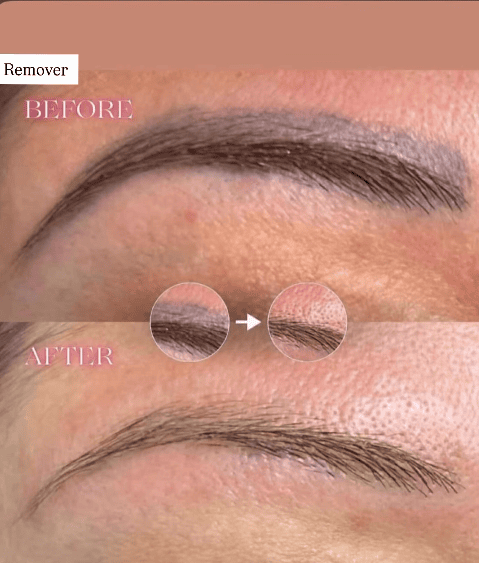
Some color change is normal during the healing phase, but a strong unwanted color after full healing is not the ideal result. Fresh microblading often looks darker and sharper at first because the skin is irritated, the pigment is new, and light scabbing can temporarily affect the visible color.
Most clients should wait until the brows are fully healed before judging the final color. Many artists schedule the first perfecting appointment after the initial healing period because the final shade and pigment retention cannot be judged immediately.
If the eyebrow area is painful, swollen, hot, leaking fluid, itchy with rash-like bumps, or worsening instead of healing, the issue may be more than a cosmetic color problem. Permanent makeup can involve infection, allergic reaction, granulomas, scarring, and other complications, according to FDA and Cleveland Clinic guidance.
Microblading often turns red or orange when warm pigment remains visible after darker or cooler pigment components fade. Brown eyebrow pigment is not always a single pure brown color. It can contain a blend of warm, cool, red, yellow, black, and neutralizing components.
A red or orange healed result can happen for several reasons:
Sunlight and UV exposure can contribute to tattoo pigment fading and degradation. A PubMed-indexed study reports that ultraviolet radiation may cause premature fading of colored tattoos, and a systematic review found that tattoo pigments can degrade after exposure to sunlight, laser irradiation, or metabolism.
Microblading can turn gray, blue, or ashy when the healed pigment is too cool, too deep, or too saturated for the skin. A brow pigment that looked medium brown in the bottle may heal cooler inside the skin because skin undertone, depth, and light scattering change how the color appears.
Gray or blue brows are commonly connected to:
Deep pigment placement is especially important. The FDA notes that if pigment is injected too deeply, it may migrate beyond the original area and create a blurred appearance.
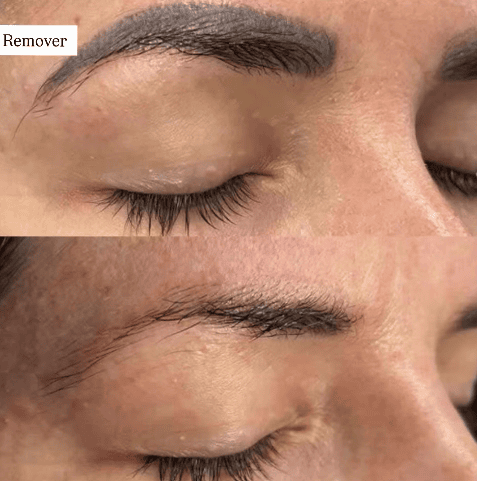
Microblading may fade quickly when the skin does not retain pigment well or when aftercare and lifestyle factors accelerate pigment loss. Oily skin, large pores, frequent sweating, sun exposure, exfoliating acids, retinoids, and aggressive cleansing can all reduce pigment retention.
Fast fading does not always mean the artist did something wrong. Some skin types naturally hold microblading strokes poorly. In these cases, powder brows, ombré brows, or machine shading may give a more stable healed result than hair-stroke microblading.
The safest next step is not an immediate heavy touch-up. A qualified artist should first check whether the skin is fully healed, whether the remaining pigment is warm or cool, and whether the brow area can safely accept more pigment.
If your microblading changed color, do not try to remove or bleach the pigment at home. DIY removal can irritate the skin, cause scarring, and make future correction harder.
Follow this practical order:
AAD recommends that tattoo artists record the pigment color, manufacturer, and lot number used in each tattoo, and that adverse reactions be reported to the local health department and the FDA.
Color correction is a good option when the brows are healed, the shape is acceptable, the skin is not oversaturated, and the unwanted color can be neutralized safely. For example, warm orange brows may be cooled down, and cool gray brows may be warmed up.
Color correction is not a good option when the brows are too dark, too thick, too deep, scarred, infected, or heavily saturated with old pigment. In those cases, adding more pigment can make the brows look denser, darker, and harder to remove.
A professional correction plan should answer three questions before treatment:
If the answer to any of these questions is unclear, removal or lightening may be safer than immediate cover-up.
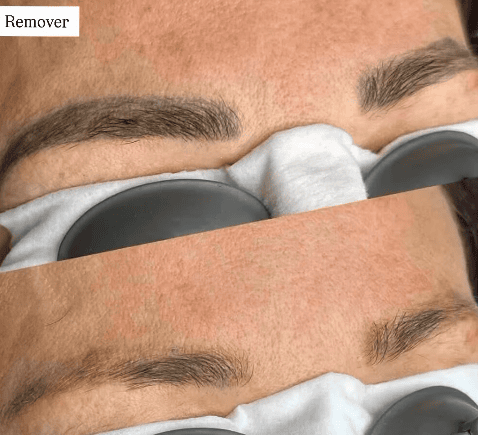
Removal is often better than correction when the microblading is too dark, too thick, too deep, badly shaped, blurry, or already covered multiple times. Removal can create a cleaner base for future brows, but it is not instant.
Common removal options include laser removal and non-laser lightening methods such as saline removal. The right option depends on pigment color, pigment depth, skin type, scar risk, and the provider’s training.
The FDA states that tattoo and permanent makeup removal can require several treatments, may be costly, and may not result in complete removal without scarring.
Laser removal also has pigment-specific limitations. A clinical update on laser tattoo removal notes that cosmetic tattoo inks often contain red, brown, white, or flesh-colored pigments, and inks containing titanium dioxide and iron oxide can be difficult to remove.
Do not treat changed microblading color with harsh DIY methods. The eyebrow area is thin, visible, and close to the eyes, so aggressive home treatments can cause burns, scarring, hyperpigmentation, or hair loss.
Avoid these mistakes:
Permanent makeup should be treated as a skin procedure, not only as a beauty service. The AAD states that people should research the professional, understand realistic outcomes, and consider consulting a board-certified dermatologist before cosmetic tattooing.
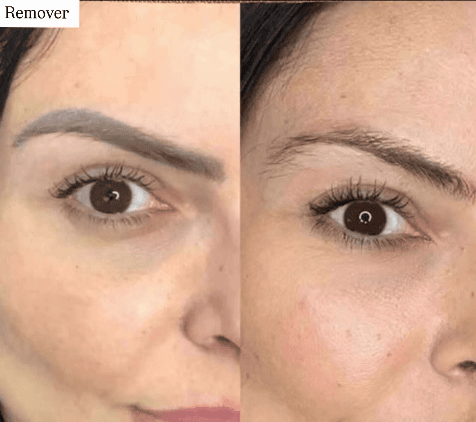
If your eyebrow microblading has changed color, faded unevenly, or healed differently than expected, Ella Pill can help assess the brows and choose the safest next step. Ella Pill is a qualified permanent makeup specialist offering eyebrow microblading, microblading touch-up, color correction guidance, and microblading removal for clients who want a cleaner, more natural-looking result.
A professional consultation helps determine whether the brows need a simple touch-up, pigment correction, or removal before new work is done. The goal is not only to improve the brow color, but also to protect the skin and avoid making old pigment darker, muddier, or harder to correct.
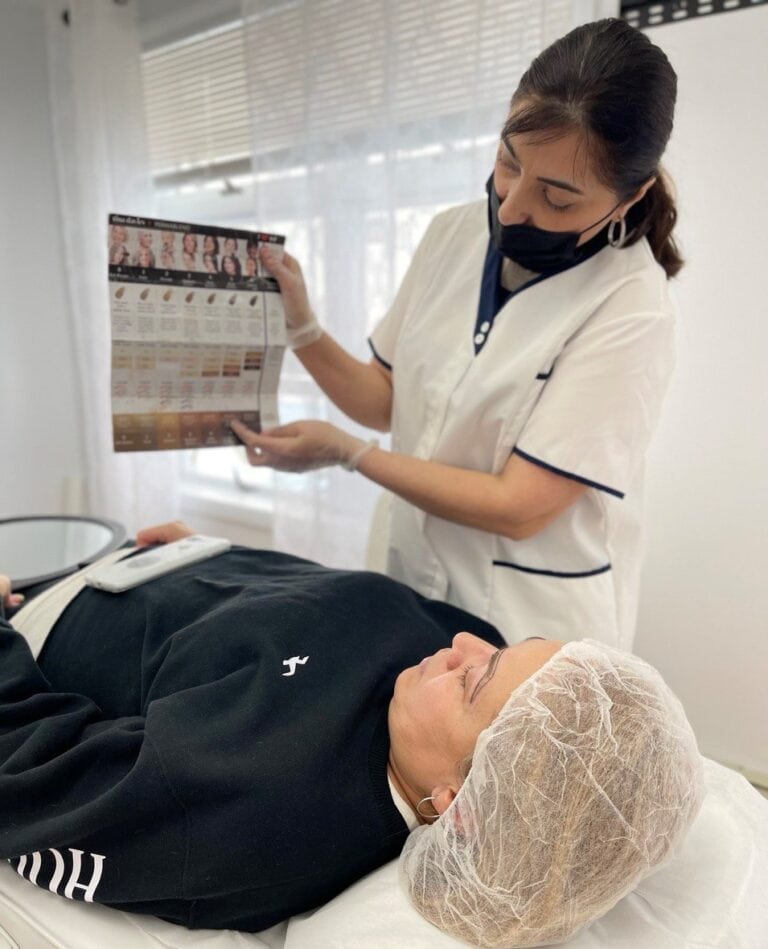
The best way to prevent microblading color change is to choose the right technique, pigment, artist, and aftercare plan before the procedure. Prevention is easier than correction because old pigment limits future color options.
Use this checklist before booking microblading:
Regulation in the United States varies by state and local jurisdiction. AAD notes that there are no uniform training or regulatory guidelines for permanent makeup artists across the U.S., so client research matters.
Welcome to All Esthetics
10 Verbena Ave, Floral Park, NY 11001.
Sign up for Microshading, Microblading, Permanent Makeup Lips…