
Author: expert Ella Pill
Instagram: @ella_permanentmakeup
21 years in the beauty industry. An expert in permanent makeup for Eyebrows, Lips, and Eyeliner.
Scalp micropigmentation for women can make thinning areas look denser by placing small pigment dots in the scalp beneath existing hair. It can soften the appearance of a widening part or sparse crown, usually without shaving. It does not grow hair, stop shedding, or add physical volume to a ponytail.
The most useful question is whether reducing scalp visibility will give you the improvement you want. That depends on your remaining hair, the condition of your scalp, and how your hair loss is changing.

Scalp micropigmentation, or SMP, is a form of cosmetic tattooing. A practitioner uses a needle to place tiny pigment impressions in the skin. For women keeping their hair long, the goal is subtle background shading between the strands. Your existing hair supplies the length, movement, and texture.
This is different from drawing individual long hairs or filling the scalp with solid color. A natural result leaves variation between impressions and blends the treated area into its surroundings. The part remains a normal part; it should simply draw less attention.
Because pigment sits in the skin, healed SMP does not require daily reapplication like a scalp powder. However, it still involves aftercare, sun protection, and possible future maintenance.
A widening part is a common sign of female pattern hair loss, but appearance alone cannot confirm the diagnosis. Other causes of shedding and thinning can look similar. A dermatologist can identify the cause and explain whether treatment may preserve or regrow hair. [2]
This matters even when your main goal is cosmetic. Postpartum shedding, for example, often improves naturally; most women regain their usual fullness by their baby’s first birthday. That makes it sensible to assess recovery before committing to long-lasting pigment.
Tight hairstyles can cause traction alopecia. Camouflaging the scalp does not remove the pulling that caused the damage, so styling changes and medical evaluation remain important.
Arrange a medical evaluation before SMP if the loss is sudden, rapidly progressing, or unexplained, particularly with bald patches, scalp pain, persistent itching, redness, or scaling. An SMP consultation assesses cosmetic suitability; it does not replace a diagnosis.
SMP deserves consideration when visible scalp is the main concern, enough hair remains to blend with the pigment, and you understand that the improvement will be visual. The pattern matters more than a promise that the procedure works for everyone.
Widening part with hair on both sides
SMP can make the exposed scalp along a widening part less noticeable. Treatment planning should account for the surrounding thinning areas and where you usually part your hair.
Thinning crown with remaining coverage
SMP may reduce scalp visibility between existing strands, helping the crown appear fuller. However, it will not change the direction of a cowlick or create lift at the roots.
Diffuse thinning with reasonable coverage
SMP can create a more even appearance beneath existing hair by reducing the contrast between hair and scalp. When thinning is extensive, there may not be enough remaining hair for the pigment to blend convincingly.
Very sparse areas or broad bare patches
SMP may provide cosmetic camouflage in selected cases, but pigment dots cannot reproduce the texture, movement, or coverage of long hair. The expected improvement should be discussed carefully before treatment.
Sudden shedding or an inflamed scalp
Sudden shedding or scalp inflammation should be assessed before considering SMP. Identifying the cause and addressing active scalp problems come first.
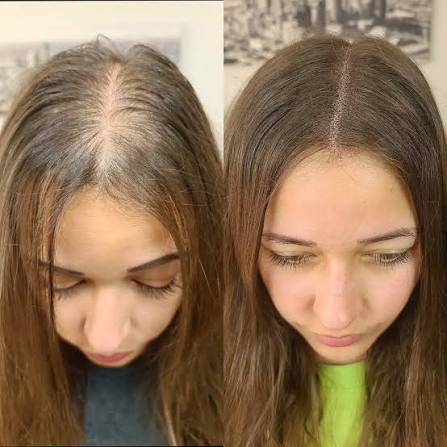
The consultation should cover the areas you want to improve, your usual hairstyle, the history of your thinning, and any medical assessment or current treatment. Ask for a clear explanation of the likely improvement and the limits in areas with little remaining hair.
Female density SMP can usually be performed by parting and sectioning existing hair. A shaved head is generally unnecessary, but confirm the preparation required for your particular treatment area.
Pigment is commonly built across multiple appointments. Allowing the scalp to heal between visits helps the practitioner assess retention before adding more. Fresh work may look darker or more defined than the healed result, so the appearance immediately after a session is not the final outcome.
At All Esthetics New York, SMP appointments are generally scheduled 2–3 weeks apart, with the plan adjusted to the treatment area and healing. The number and length of visits are discussed during consultation.
Expect some discomfort from the needle work. Sensitivity varies across the scalp and between individuals. Ask about comfort measures in advance; claims that every treatment is painless are unrealistic.
You may be able to return to desk work quickly, but the scalp still needs time to heal. Ask for written instructions that account for your washing schedule, exercise, styling products, and any scalp medication.
Before leaving, confirm when you can:
Avoid picking or scratching healing skin. Do not apply dye or unapproved products to a healing scalp. Once healed, protect exposed areas from the sun; the American Academy of Dermatology recommends broad-spectrum, water-resistant sunscreen with SPF 30 or higher.
Contact a healthcare professional for worsening redness, increasing pain, drainage, fever, or a persistent rash. These need assessment rather than an extra layer of aftercare product.
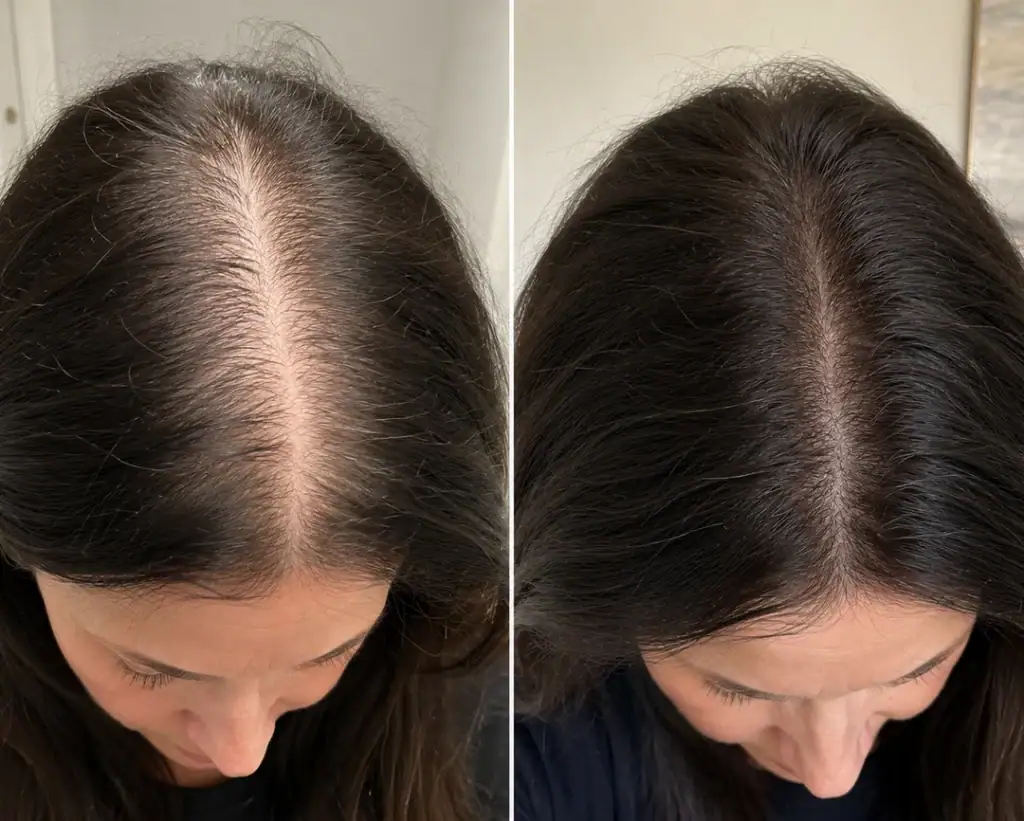
There is no single five-year result. Pigment may still provide useful camouflage, appear softer, or need maintenance. Changes in hair density or color can also alter the overall effect even when pigment remains visible.
Treat SMP as a long-term commitment. Fading does not mean it will disappear completely or evenly, and a touch-up is not automatically required at a fixed anniversary. The existing color, dot definition, and coverage should be assessed before more pigment is added.
Continued thinning deserves particular attention. As more scalp becomes exposed, a result originally blended beneath denser hair may become more visible. Additional pigment cannot always compensate for the loss of actual strands. A revised plan may include medical treatment or a different cosmetic option.
Ask for older healed photographs and whether those clients had intervening touch-ups. A five-year photo taken shortly after maintenance is not evidence of five years without maintenance.
The main trade-offs are the lasting nature of pigment, the possibility of future maintenance, and the limits of camouflage. An unsatisfactory result may involve overly dark coverage, visible dots, uneven fading, blurred impressions, or an unnatural color. Correction can require specialist assessment and multiple procedures.
SMP also breaks the skin. Infection, allergic reactions, and scarring are possible. Equipment hygiene matters, and contaminated ink can present a risk even when a bottle is sealed.
Ask about sterile single-use needles, infection-control practices, pigment identification, and experience with female density work. The phrase “medical-grade pigment” is not proof of FDA approval: the FDA states that it has not approved pigments for injection into the skin for cosmetic purposes.
Well-planned treatment aims to preserve existing hair, but an absolute promise of zero risk is inappropriate. Active inflammation, infection, or poor technique can complicate healing. Choose a provider who discusses these issues and the limits of correction before treatment.
At All Esthetics New York, we provide scalp micropigmentation for women concerned about a widening part, thinning crown, or visible scalp. Our studio is in Floral Park, convenient to Queens and Nassau County.
During your consultation, we will discuss the areas you want to improve, your existing hair pattern, and the appearance you hope to achieve. You will receive a personalized treatment plan and quote before starting.
SMP pricing starts at $399 and increases with the scope of work. Your total depends on the treatment area, coverage needed, and number of sessions. The starting price should not be taken as a fixed price for a complete course.
It can be a useful cosmetic option for women whose main concern is visible scalp beneath existing hair. It does not treat the cause of hair loss or produce new growth. Suitability depends on the thinning pattern, remaining coverage, scalp health, and expectations.
Potential downsides include maintenance costs, healing restrictions, fading, visible or poorly matched pigment, and difficult correction. Infection, allergic reactions, and scarring are also possible. SMP cannot replace missing hair volume or prevent further thinning.
It may still look subtle and useful, or it may need reassessment because of fading, changes in color, or continued hair loss. There is no guaranteed five-year appearance. Ask to see older healed results and confirm whether they include touch-ups.
Hers promotional material has described Jennifer Lopez’s use of minoxidil. That is a hair growth medication, not scalp micropigmentation. The material documents a commercial endorsement, not independent evidence of her medical history or proof that a product will work for you. It does not establish that she had SMP.
Usually, yes. Explain how you style and part your hair before treatment so the coverage can be planned accordingly. A result designed only for one narrow part may not blend equally well when the hair is moved. Most female density work does not require shaving.
After healing and clearance from your practitioner, these activities can generally resume. Healed pigment is in the skin and does not wash off like a surface concealer. During recovery, follow the specific restrictions on water, sweat, and heat.
Welcome to All Esthetics
10 Verbena Ave, Floral Park, NY 11001.
Sign up for Microshading, Microblading, Permanent Makeup Lips…