
Author: expert Ella Pill
Instagram: @ella_permanentmakeup
21 years in the beauty industry. An expert in permanent makeup for Eyebrows, Lips, and Eyeliner.
Content
Permanent eyeliner can make your lash line look more defined without daily makeup. But the appointment is only one part of the process. Healing affects how the pigment settles, how even the final result looks, and—most importantly—how safely your eyelids and eyes recover.
This guide explains what is commonly normal after permanent eyeliner, what should not be ignored, and why your artist’s individual aftercare instructions should take priority over generic online advice.
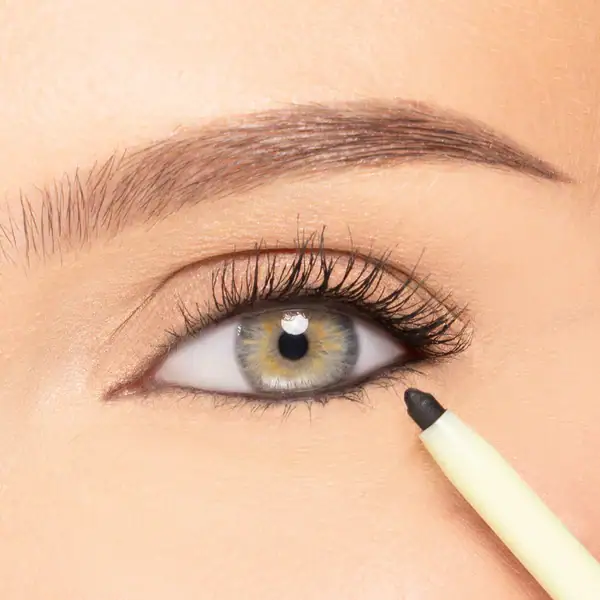
Important: Permanent eyeliner is a cosmetic tattoo performed near the eyes. This article is general education, not medical advice. Contact your artist for procedure-specific guidance, and contact an eye-care professional or urgent care provider if you develop concerning symptoms.
Surface healing often takes around 7 to 14 days. During that time, the area may look darker than expected, feel dry or tight, and develop light flaking.
However, the pigment does not fully settle as soon as flaking stops. It can take several weeks for the color to stabilize and for the skin to complete its deeper healing process. Many artists schedule a perfection session only after this period, often around 6 to 8 weeks after the initial appointment.
The exact timeline varies. Factors that may affect healing include:
Do not judge the final color, shape, or density during the first two weeks.
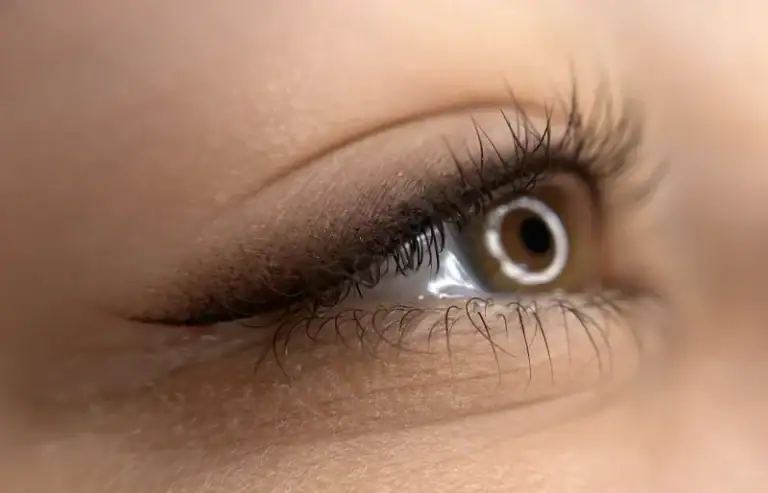
Day 1: Darker, Sharper, and Possibly Puffy
Immediately after the procedure, the eyeliner commonly looks darker, bolder, and slightly thicker than the healed result. This is usually due to fresh pigment, mild swelling, and the skin’s normal inflammatory response.
You may notice:
Mild symptoms can be expected. But significant pain, severe eye redness, vision changes, or swelling that makes it difficult to open the eye are not something to “wait out.”
Days 2–3: Puffiness and Darkening Can Peak
For some people, the eyelids look puffier on the morning after the procedure than they did immediately afterward. The pigment may also appear darker before it begins to soften.
This is a common period for the liner to feel dry or tight. Do not scratch, rub, or pull at the area – even if it itches.
A clean, cool compress may be appropriate for swelling if your artist has approved it. Avoid putting pressure directly on the treated line, and do not use ice directly on the skin.
Days 3–7: Light Flaking or Fine Scabbing
The superficial layer of skin begins to shed. You may see light flakes or very thin crusting along the lash line. The eyeliner can start to look patchy, uneven, or lighter at the edges.
That appearance is often temporary.
The key rule is simple: let the skin release naturally. Picking at flakes can remove pigment before it has settled and can increase irritation or infection risk. Do not try to “fix” a patchy-looking line with makeup during this stage.
Days 7–14: The Temporary Light or “Ghost” Phase
Once flaking finishes, the eyeliner may suddenly appear much softer or lighter than you expected. Some people assume the pigment has disappeared. In many cases, the newly healed surface skin temporarily obscures the color underneath.
This phase is one reason early panic leads to poor decisions. Do not book an emergency correction, add makeup to compensate, or assume the treatment failed based on one week of healing.
The pigment may become more visible again as the skin continues to recover over the following weeks.
Weeks 3–6: Color Begins to Settle
During this stage, the color and definition usually become easier to assess. The liner may still soften, and small areas may heal differently from one another.
A lighter-than-expected result does not automatically mean something went wrong. Permanent eyeliner is commonly built gradually for safety and control. A follow-up appointment can address retained color, symmetry, or density after the skin has healed.
Weeks 6–8: Time to Evaluate the Result
At this point, your artist can usually evaluate the healed result more accurately. If a touch-up is appropriate, it may be used to refine the shape, reinforce faded areas, or add density.
A touch-up should not be treated as a failure of the initial appointment. Skin retention varies, and cosmetic tattooing often requires a second session for a polished result.
The following can be normal when mild and improving:
“Normal” does not mean you should ignore your own symptoms. Healing should generally trend toward improvement, not worsening.
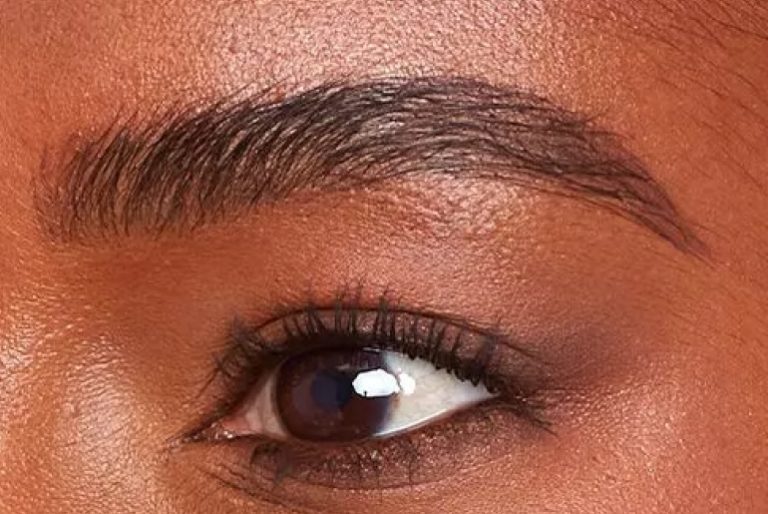
Because the procedure is performed close to the eye, take potential complications seriously.
Contact a medical professional promptly if you experience:
Do not rely on a social-media comment section or a generic blog post to diagnose an eye problem. Your artist may be an important first point of contact for aftercare questions, but an artist is not a substitute for medical care.
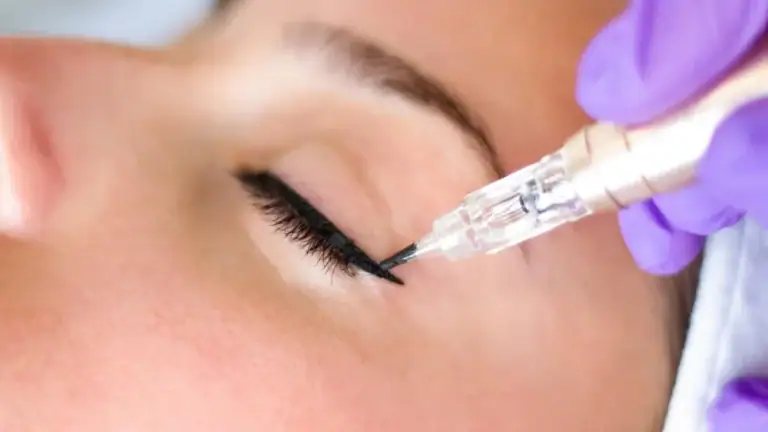
Your artist’s written aftercare plan should always come first. Different artists may use different protocols based on their training, technique, and the products used.
Still, several principles are broadly sensible.
Keep Your Hands Away From Your Eyes
Avoid touching the treated area unless you are following your artist’s specific cleaning instructions. If you need to touch near the eyes, wash your hands thoroughly first.
Do not rub your eyelids, pick at flakes, or pull away crusting. The skin needs time to heal without mechanical trauma.
Use Only Artist-Approved Products
Do not apply random ointments, oils, lash serums, acids, retinoids, makeup removers, or “healing” products around the treated line.
More product does not equal better healing. In particular, applying an unapproved substance near the eyes can cause irritation, interfere with pigment retention, or create a hygiene problem.
Avoid Eye Makeup Until You Are Cleared
Mascara, eyeliner, eyeshadow, and old makeup tools can introduce bacteria or irritate healing skin. Wait until your artist says it is safe to resume eye makeup.
When you return to makeup, use clean products and clean brushes. If you had an eye infection, conjunctivitis, or another eye issue, discuss it with an appropriate healthcare professional before using cosmetics again.
Pause Activities That Create Heat, Sweat, Steam, or Contaminated Water Exposure
For the period specified by your artist, typically during the initial healing stage, avoid:
The goal is not to put your life on hold indefinitely. It is to reduce avoidable irritation and contamination while the treated skin is vulnerable.
Consider Glasses Instead of Contact Lenses
Contact lenses can be uncomfortable when eyelids are swollen or sensitive. Inserting and removing them also increases the chance that you will touch your eyes.
Ask your artist when they recommend resuming contacts. If you have dry eye, recurring eye irritation, or a history of eye infections, it is especially wise to get individualized advice.
Sleep Smart for the First Few Nights
If swelling is an issue, sleeping with your head slightly elevated may help. Try not to sleep face-down or press your eyelids into the pillow.
Use a clean pillowcase. This is not a guarantee against infection, but it is a reasonable hygiene measure while the skin is healing.
You cannot control every part of pigment retention, but you can avoid common mistakes:
Permanent eyeliner healing is rarely a straight line. It may look too dark at first, too light after flaking, and slightly uneven before it settles. That can be frustrating, but it is often part of the normal process.
The safest approach is to follow your artist’s personalized aftercare instructions, avoid DIY fixes, and know the difference between temporary cosmetic changes and symptoms that need medical attention. A good permanent eyeliner result is not just about the appointment—it is about giving the skin enough time and the right conditions to heal.
There is no one aftercare method that is best for everyone. Follow the written instructions from your permanent makeup artist and use only products they approve.
Do not trust claims that a method guarantees no scabbing, faster healing, or perfect color retention. If you are unsure about a symptom or product, ask your artist. Seek medical care for worsening pain, significant swelling, discharge, or vision changes.
Yes, but keep showers short and avoid direct hot water or steam on your eyelids during the healing period. Do not let a strong shower stream hit the treated area.
Yes. Cleanse the rest of your face gently and avoid scrubbing near the eyeliner. Do not use exfoliants, retinoids, acids, or strong makeup removers around the treated area until your artist says it is safe.
Not during the initial healing period. Wait until your artist confirms that the skin has healed enough for eye makeup. Applying and removing mascara too early can irritate the area and increase the risk of contamination.
Patchiness is common while the skin flakes and the pigment settles. Different areas of the eyelid may heal or retain pigment differently.
Do not judge the final result during the first days of healing. Assess the color and shape only after the full healing period, usually before your scheduled touch-up.
Welcome to All Esthetics
10 Verbena Ave, Floral Park, NY 11001.
Sign up for Microshading, Microblading, Permanent Makeup Lips…