
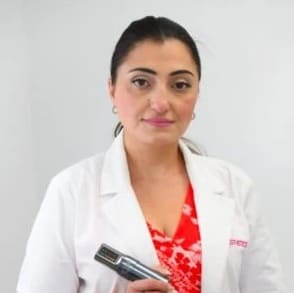
Author: expert Ella Pill
Instagram: @ella_permanentmakeup
21 years in the beauty industry. An expert in permanent makeup for Eyebrows, Lips, and Eyeliner.
Permanent eyeliner can look like a simple beauty treatment, but it is a cosmetic tattoo performed on one of the most sensitive areas of the face. It is reasonable to be nervous about pain, swelling, and the fact that the procedure happens close to your eyes.
The honest answer: permanent eyeliner can be uncomfortable, but the level of pain varies significantly from person to person. Many clients describe pressure, vibration, scratching, stinging, or a “raw” sensation rather than severe pain. However, no responsible artist can promise that it will feel painless – or assign you a guaranteed number on a pain scale.
What matters most is not whether someone online rated it a 2/10. It is whether you are an appropriate candidate, your artist uses safe protocols, and you know what normal recovery should look like.
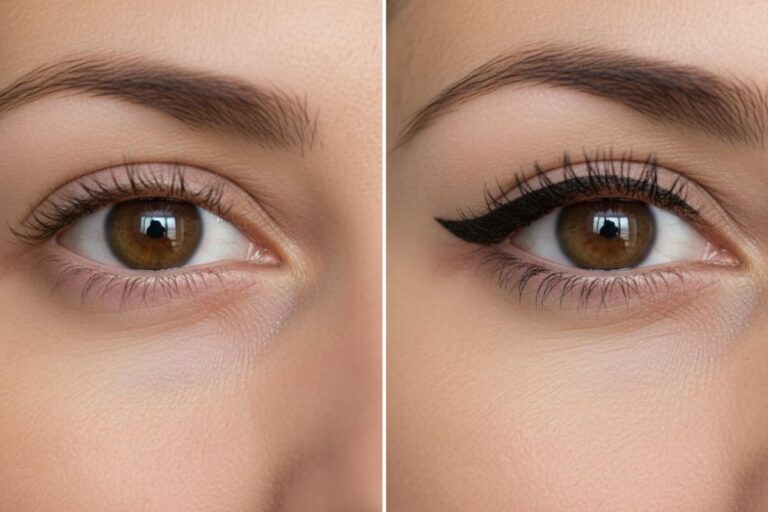
Permanent eyeliner, also called an eyeliner tattoo or lash-line enhancement, involves placing pigment into the skin along the lash line with a cosmetic tattoo device.
During the procedure, people may feel:
Some areas may feel more sensitive than others. The inner corner of the eye and lower lash line can be especially reactive for some clients. The experience can also change during the appointment: an area that feels manageable at the beginning may become more tender after repeated passes.
Do not treat another person’s experience as a prediction of yours. Pain is subjective, and permanent eyeliner is not a standardized medical procedure with one universal pain score.
Topical anesthetic is commonly used in permanent makeup, but “numbed” does not necessarily mean “you will feel nothing.”
A numbing product may reduce sharp sensations, but you may still notice pressure, vibration, tugging, or intermittent stinging. Its effect can vary based on the product used, your skin, the procedure technique, and the length of the session.
There is an important safety point here: do not apply a numbing cream near your eyes at home unless your licensed provider has specifically instructed you to do so. Products that are tolerated on the body are not automatically appropriate for use close to the eyes. More product is not automatically better or safer.
Before booking, ask the artist:
A professional should answer these questions directly – not dismiss them with “don’t worry.”
Several factors can affect how the treatment feels:
Avoid making medication changes solely for a cosmetic appointment. If you take prescription blood thinners, have a bleeding disorder, use medications that affect healing, or have a relevant medical condition, ask the prescribing clinician whether the procedure is appropriate. Your artist should receive an accurate health history, but they do not replace your physician or eye-care professional.
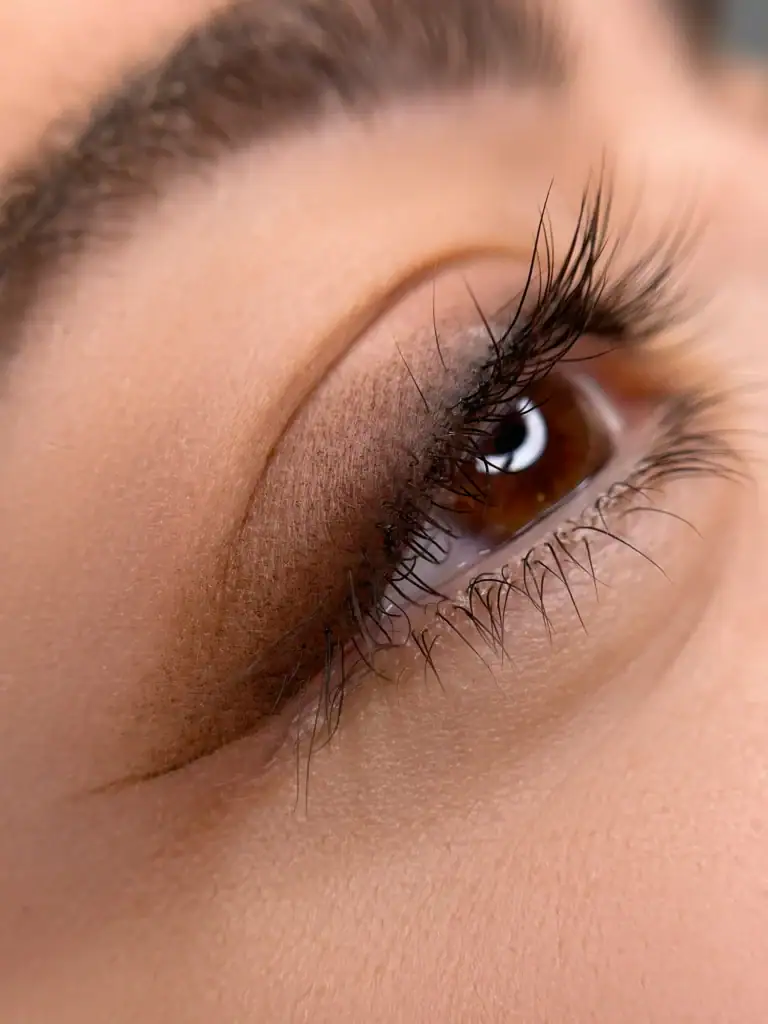
Being nervous does not mean you are “overreacting.” When people expect pain, struggle to relax, or worry about moving while their eyes are closed, the procedure may feel harder to tolerate.
A good artist supports comfort without making promises. They should explain the process before starting, check in throughout the session, and allow you to pause if needed.
If an artist pressures you to continue when you are in significant pain, ignores concerns about eye irritation, or treats questions as an inconvenience, leave. No cosmetic result is worth accepting poor safety practices.
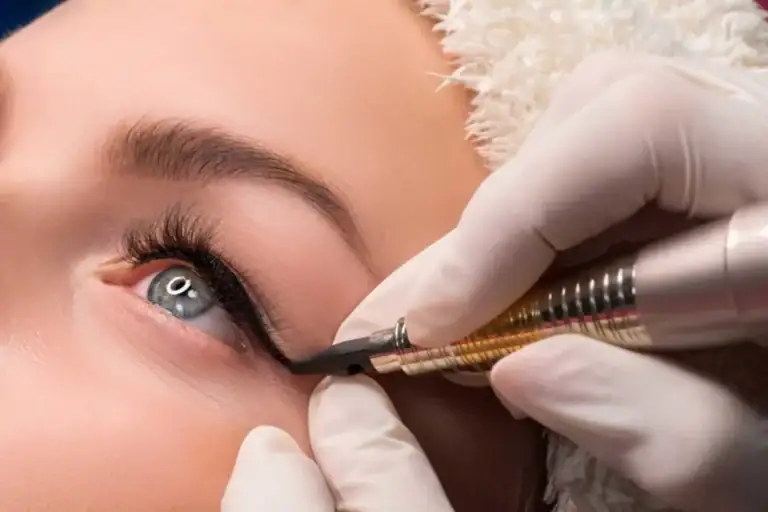
Immediately after permanent eyeliner, the eyelids may look darker, sharper, or thicker than the healed result. Mild redness, puffiness, watering, and tenderness can occur. Some people describe the feeling as tired, dry, or similar to having rubbed their eyes.
The amount and duration of swelling vary. You may have little visible swelling, while someone else may look noticeably puffy for a day or two. Schedule the procedure with enough recovery time before photographs, travel, a major event, or work that requires you to look camera-ready.
A fresh result is not the final result. Pigment can appear intense at first and then soften as the skin heals. Healing also does not guarantee perfectly even pigment retention; a follow-up appointment may be recommended by the artist after the area has fully healed.
Tell your artist before booking if you wear lash extensions or contact lenses.
Lash extensions: Most permanent-eyeliner artists require extensions to be removed before the appointment. Extensions can make it harder to safely access and clean the lash line, and adhesive residue may interfere with the procedure. Do not schedule a removal on the same day unless your artist specifically approves it—an irritated lash line should be allowed to settle first.
Contact lenses: Plan to wear glasses to your appointment. Contact lenses should not be worn during the procedure, and you should only put them back in when your artist says it is safe to do so. Freshly treated eyelids may water or swell, and touching the eye area to insert or remove lenses can add irritation and contamination risk.
Let your artist know if you currently use—or have recently used—an eyelash growth serum, including prescription products and over-the-counter formulas.
Some serums can cause irritation, redness, dryness, or sensitivity around the eyes. They may also affect how comfortable the procedure feels and whether the artist believes your lash line is ready to be treated.
Do not guess when to stop using a serum. Ask your artist during the consultation for their pre-care policy, and ask your prescribing clinician or eye-care professional before stopping a prescription product. Do not restart any lash serum during healing unless your artist and, when relevant, your clinician confirm that it is appropriate.
Permanent eyeliner pricing in New York City varies by the artist’s experience, the studio, the design, and whether a touch-up is included.
As a practical starting point, an initial session may range from approximately $350 to $1,000 or more. A subtle upper lash-line enhancement is often less expensive than a thicker liner, winged design, lower-lash-line work, correction of old pigment, or treatment by a highly sought-after artist.
Pain control is only one part of a safe appointment. Before committing, confirm that the artist:
FDA notes that permanent makeup falls under tattooing and that tattoo-related complications can include infection, allergic reactions, granulomas, keloid formation, and removal problems. FDA also notes that contaminated inks can cause infections even when the artist follows hygienic procedures. FDA guidance on tattoo and permanent-makeup risks
It may feel different, but there is no reliable universal comparison. The treatment area, technique, anesthetic use, your sensitivity, and the tattoo location you are comparing it with all matter. Do not rely on claims that permanent eyeliner is always easier or always painless.
They may. Watering can be a normal reflex because the work is performed close to the lash line. However, strong burning, escalating pain, or vision changes are not symptoms to ignore.
Mild swelling may settle within a short period, but recovery differs by person and procedure. Plan for visible puffiness and a darker-than-final appearance rather than assuming you will be ready for an event the next day.
Not during the initial healing period. Follow your artist’s written instructions about when to resume mascara, eye makeup, lash extensions, and contact lenses.
The name is misleading. Pigment can fade, shift in tone, or require maintenance. Removal or correction may be difficult, expensive, and incomplete. Choose a conservative style and an artist whose healed work you trust.
Welcome to All Esthetics
10 Verbena Ave, Floral Park, NY 11001.
Sign up for Microshading, Microblading, Permanent Makeup Lips…