
Permanent makeup healing cannot be “rushed” safely—but you can support a smoother recovery and reduce the chance of uneven pigment retention, irritation, or infection. The most important rule is simple: follow your artist’s written aftercare instructions, keep the treated area clean, and avoid adding products that were not recommended for your procedure.
This guide applies to eyebrow PMU, lip blush, and permanent eyeliner. Healing patterns differ by area, skin type, technique, and how deeply pigment was implanted.
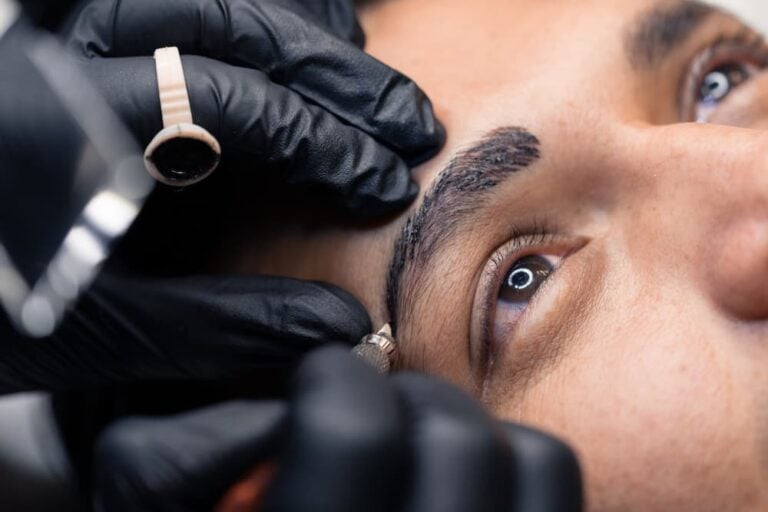
Permanent makeup creates tiny controlled openings in the skin to place pigment. The body responds with temporary redness, swelling, tenderness, dryness, and flaking. Proper aftercare protects the skin barrier while it closes and helps prevent trauma that can pull out pigment or lead to patchy results.
The best way to support healing is to:
Permanent makeup is a form of tattooing. The FDA notes that tattoo and PMU procedures can involve risks including infection, allergic reactions, scarring, and pigment-related complications, so aftercare should be taken seriously. FDA: Tattoos and Permanent Makeup
Many people slow down healing because they try too many “healing” products. Thick layers of ointment, acids, essential oils, exfoliants, makeup, or home remedies can irritate healing skin and affect pigment retention.
A good aftercare routine is usually minimal:
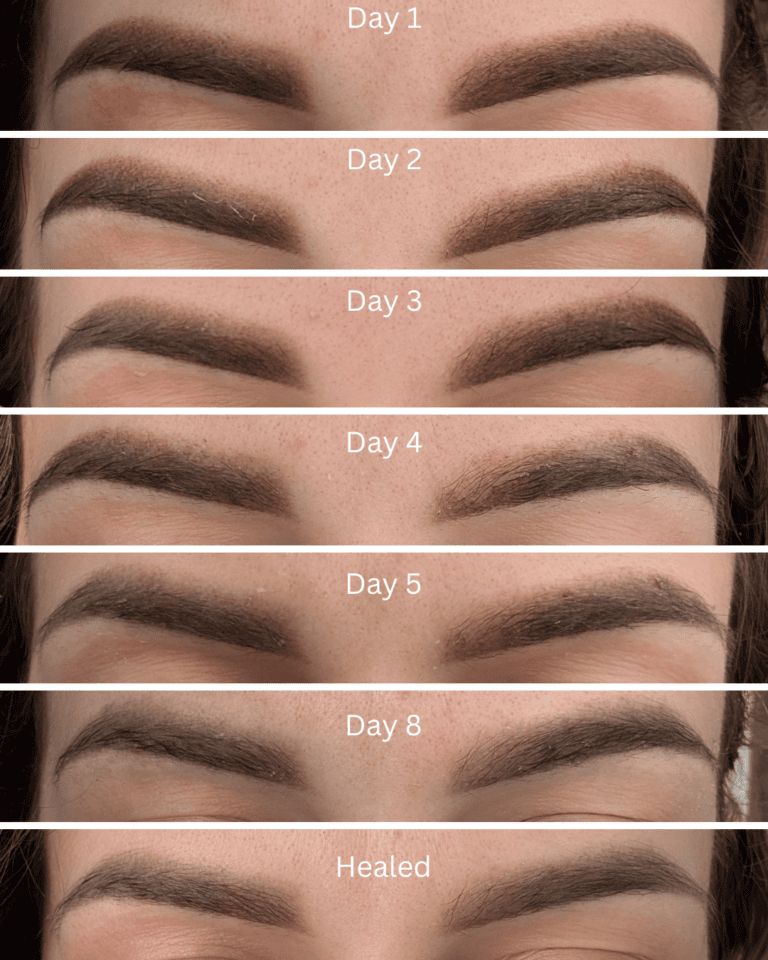
The visible healing period is often around 7 to 14 days, but pigment settling and full skin recovery take longer. Do not judge the final color too early.
Days 1–3: redness, swelling, and dark color
Brows, lips, or eyeliner can look darker, sharper, warmer, or more intense immediately after treatment. Mild tenderness and swelling are common, especially after lip blush or eyeliner.
Use a clean, cool compress only if your artist approves it. Do not place ice directly on the skin and do not soak the treated area.
Days 4–10: dryness, flaking, and temporary fading
The treated area may feel dry, itchy, or flaky. Permanent makeup can appear lighter or uneven while the surface layer sheds. This does not automatically mean the pigment failed.
Do not exfoliate or force flakes off. Let the skin complete the shedding process on its own.
Weeks 2–6: color settles
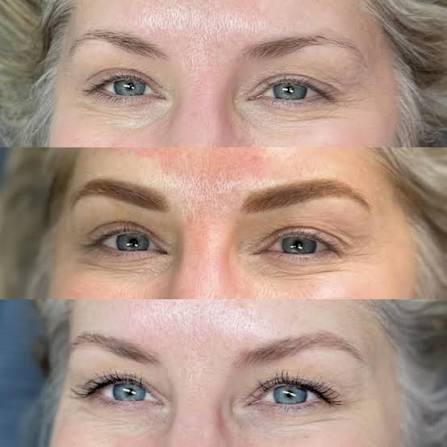
After flaking, pigment may look very light, muted, grayish, or uneven for a period. As the skin continues to recover, color gradually returns and settles.
A touch-up appointment is normally scheduled only after healing is complete. A touch-up is part of many PMU treatment plans—not proof that something went wrong.
The right product is the one your PMU artist specifically selected for your treatment. Eyebrow PMU, lip blush, and permanent eyeliner do not always require the same aftercare.
Products and habits that may be appropriate:
Avoid using the following on fresh permanent makeup unless your PMU artist or a qualified healthcare professional has specifically instructed you to use them:
Several factors can make permanent makeup heal more slowly or less evenly.
Sun and heat exposure
UV exposure can irritate healing skin and contribute to premature pigment fading. Avoid direct sun, tanning beds, saunas, steam rooms, hot yoga, and very hot showers during the period recommended by your artist.
After the skin is fully healed, daily sun protection helps maintain the appearance of eyebrow PMU and lip blush.
Sweat and water exposure
Heavy sweating can soften scabs, irritate the skin, and increase the risk of contamination. For the first several days, avoid intense workouts, swimming pools, hot tubs, lakes, and ocean water according to your artist’s protocol.
A quick shower is usually easier to manage than a long hot bath. Keep shampoo, conditioner, and skincare from running over the treated area.
Picking and over-moisturizing
Picking is one of the most common reasons for uneven healing. Thick layers of balm can also create problems by keeping the skin overly wet.
If the area feels itchy, do not scratch it. Ask your artist what is appropriate for your specific procedure.
Alcohol, smoking, and poor recovery habits
Alcohol can increase swelling and dehydration. Smoking may reduce circulation and can affect healing, especially after lip blush. Sleep, hydration, balanced meals, and avoiding unnecessary inflammation support normal skin recovery.
Existing skin or health conditions
Eczema, psoriasis, rosacea, active acne, cold sores, diabetes, immune suppression, a history of keloid scarring, and certain medications can change both eligibility and healing. Discuss these factors before treatment—not after the procedure.
For lip blush, clients with a history of cold sores should speak with a licensed healthcare professional before the appointment. A PMU procedure can trigger a recurrence, and only a clinician can determine whether preventive antiviral medication is appropriate.
Eyebrow PMU and microblading healing
Keep brow areas clean and dry according to your artist’s instructions. Avoid brow pencils, tinted gels, facial treatments, waxing, threading, tweezing, and strong skincare around the brows until healing is complete.
If you use retinoids or exfoliating skincare, ask your artist exactly when to stop before treatment and when it is safe to restart afterward.
Lip blush healing
Lip blush often causes more noticeable swelling on the first day. Keep lips protected with the approved aftercare product, avoid spicy foods and very hot drinks if they irritate the area, and do not share drinks, utensils, or lip products during initial healing.
Avoid lip plumpers, matte liquid lipsticks, scented balms, and exfoliating lip scrubs until your artist confirms that the lips are fully healed.
Permanent eyeliner healing
Permanent eyeliner requires especially careful hygiene because the treatment area is close to the eyes. Avoid eye makeup, mascara, lash extensions, contact lenses if your artist instructs otherwise, and eye creams near the lash line during early recovery.
Do not use eye drops, ointments, or medicated products unless they are necessary and approved by a healthcare professional. Increasing pain, discharge, vision changes, or significant swelling need prompt medical assessment.
Mild redness, tenderness, and swelling immediately after permanent makeup can be normal. Symptoms that worsen instead of improve need attention.
Contact a healthcare professional promptly if you develop:
Do not try to treat a suspected infection with random creams or home remedies. The FDA has documented that contaminated tattoo inks can cause infections, including when ink containers appear sealed. FDA tattoo safety information
Use Vaseline or any ointment only if your PMU artist specifically recommends it. Product choice and amount depend on the procedure and your skin condition; a heavy layer can interfere with healing.
Avoid makeup directly on the treated area until the skin has finished its initial healing and your artist clears you to resume it. For permanent eyeliner, this includes mascara and eye makeup; for lip blush, this includes lipstick and lip gloss.
Hydration supports overall skin health, but it will not instantly speed up pigment settling. The most important factors are proper aftercare, avoiding irritation, and giving the skin enough time to heal.
Avoid strenuous workouts and heavy sweating for the period recommended by your artist. Sweat, friction, and bacteria exposure can irritate fresh PMU.
Temporary fading after the flaking stage is common. Pigment can appear muted while the skin continues to recover. Wait for the full healing period before deciding whether a touch-up is needed.
Welcome to All Esthetics
10 Verbena Ave, Floral Park, NY 11001.
Sign up for Microshading, Microblading, Permanent Makeup Lips…