
Proper aftercare helps eyebrow permanent makeup and lip blush heal evenly, protects the treated skin, and reduces avoidable complications. The most important rules are simple: do not touch or pick the area, avoid excessive moisture and sweating, use only approved aftercare products, and contact a healthcare professional if healing symptoms worsen instead of improving.
Eyebrow PMU and lip blush create controlled micro-injuries in the skin while depositing pigment. Because the skin barrier is temporarily disrupted, careless aftercare can contribute to irritation, infection, uneven pigment retention, prolonged healing, or scarring.
Aftercare instructions may vary depending on the PMU technique, skin type, pigment, and healing protocol. Always follow the personalized directions provided by your permanent makeup artist when those directions differ from general online advice.
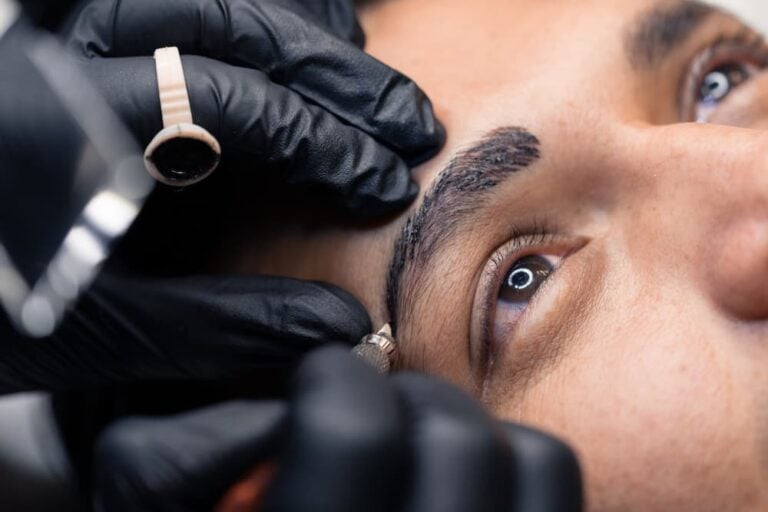
Touching fresh eyebrow PMU or lip blush can transfer bacteria, oil, makeup residue, and other contaminants to healing skin. Unnecessary contact increases irritation and may raise the risk of infection.
Clients should wash their hands thoroughly before completing any required cleaning or applying an artist-approved aftercare product. Outside of necessary aftercare, eyebrows and lips should be left alone.
Common forms of unnecessary contact include:
Picking flakes is one of the most damaging PMU aftercare mistakes. Peeling skin is part of the healing process, and forcing flakes off can remove healing tissue before the skin is ready.
Premature removal may contribute to patchy pigment, additional inflammation, prolonged healing, or scarring. The American Academy of Dermatology also advises against picking scabs from tattooed skin because manipulating the area can interfere with healing.
Clients should allow dry skin and flakes to release naturally. If itching becomes difficult to tolerate, the correct response is to contact the PMU artist for guidance – not to scratch the skin or add a random cosmetic product.
A quick, artist-approved cleansing routine is different from soaking fresh PMU. Swimming pools, hot tubs, steam rooms, long showers, and repeated water exposure can soften healing skin and expose the area to contaminants.
During the initial healing period, clients should avoid:
Some PMU artists use a dry-healing protocol, while others recommend gentle cleansing. Clients should not invent a cleansing routine or assume that “keeping it clean” means repeatedly washing or saturating the area.
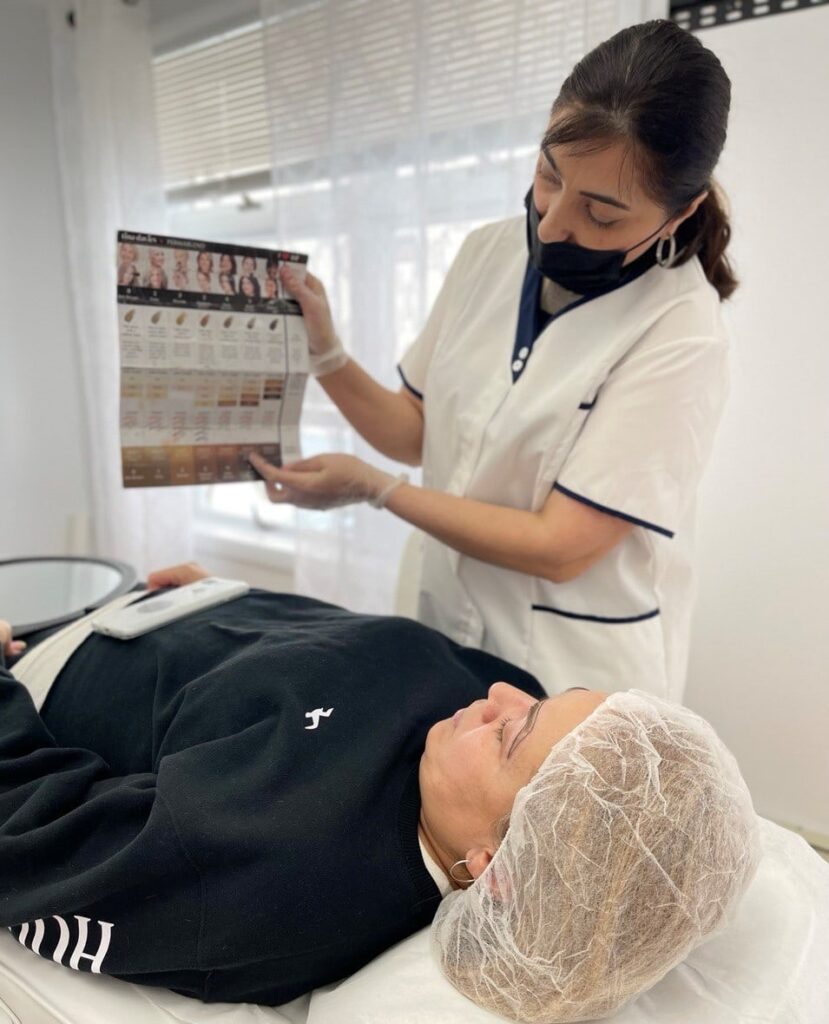
Heavy exercise can produce sweat, heat, friction, and facial flushing. Sweat running across freshly treated eyebrows or lips may sting the skin, increase irritation, and interfere with the artist’s aftercare protocol.
Clients should temporarily avoid high-intensity workouts, hot yoga, long outdoor runs, and activities that cause heavy sweating. Light activity may be acceptable, but the timing should be based on the artist’s instructions and the condition of the treated area.
If sweat accidentally reaches the PMU, do not rub the skin with a towel. Follow the cleaning method provided by the PMU artist and gently blot when instructed.
Foundation, concealer, brow pencils, lipstick, and lip gloss should not be applied directly to healing PMU unless the artist has confirmed that the skin is ready. Makeup products and applicators can introduce bacteria, fragrance, colorants, and other ingredients to compromised skin.
Active skincare can be even more disruptive. Retinoids, glycolic acid, salicylic acid, exfoliating enzymes, scrubs, and strong acne products may irritate healing tissue. Exfoliating products can also accelerate pigment fading when repeatedly used near permanent makeup after healing.
During recovery:
“Natural,” “organic,” and fragrance-free products are not automatically safe for freshly treated skin. Product suitability depends on the ingredients and the specific aftercare protocol.
A thick layer of ointment does not necessarily improve healing. Excess product can keep the area overly occluded, collect debris, and cause unnecessary irritation.
Only use the balm or ointment recommended by the PMU artist. Apply the amount and frequency specified in the written aftercare instructions. More product is not better.
Clients should avoid experimenting with:
If an approved product causes persistent burning, rash, worsening swelling, or itching beyond expected healing, stop guessing and contact the PMU artist and an appropriate healthcare professional.
Freshly treated skin is more vulnerable to irritation, while ultraviolet exposure can contribute to premature pigment fading. Tanning beds are not a safe substitute for outdoor tanning.
Clients should avoid direct sun during the early healing period and should not apply sunscreen directly to open, peeling, or incompletely healed skin unless instructed by a qualified professional. A clean hat or other physical shade can provide temporary protection without placing cosmetic products on the area.
After the skin has fully healed, consistent UV protection helps preserve PMU color:
Sun protection cannot stop pigment from fading completely, but it can help limit avoidable color changes.
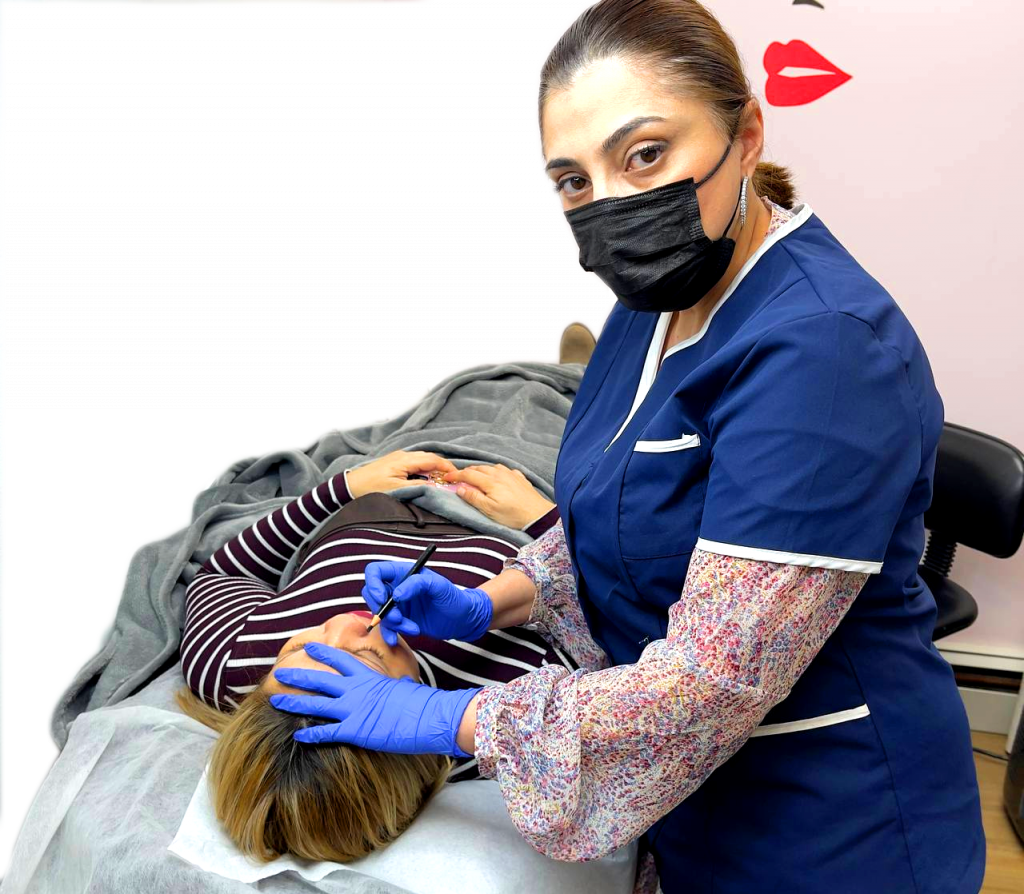
Lip blush requires additional precautions because the treated area is exposed to food, beverages, saliva, and repeated movement. Very hot, spicy, salty, or acidic foods may sting and irritate freshly treated lips.
During the initial healing period, clients should avoid anything their artist has identified as irritating, including:
Smoking can expose healing lips to heat, chemicals, repeated friction, and hand-to-mouth contact. Cleveland Clinic specifically advises avoiding smoking after lip blush.
Clients with a history of cold sores should also understand that lip trauma can reactivate herpes simplex virus. Antiviral medication is a medical decision and should be discussed with a licensed healthcare provider before the appointment. Clients should not borrow medication or select a dose independently.
Eyebrow PMU and lip blush rarely look the same on the first day, during peeling, and after complete healing. Pigment usually appears stronger immediately after treatment, then may look lighter, patchy, or temporarily muted as the skin recovers.
Trying to “fix” the color with makeup, exfoliation, home remedies, or an early additional procedure can make the situation worse. The result should be evaluated only after the healing period specified by the artist.
Normal-looking changes may include:
Normal healing should generally move toward less discomfort, less redness, and less swelling. A symptom that steadily worsens is different from a temporary cosmetic change.
Not every red or swollen area is infected. Mild tenderness, redness, swelling, itching, flaking, and clear fluid may occur during normal tattoo healing. However, increasing pain, spreading redness, worsening swelling, pus, fever, or red streaks require prompt medical attention.
The FDA has received reports of infections associated with contaminated tattoo inks, including contamination found in sealed products. Allergic reactions and other skin complications are also possible after tattooing and permanent makeup.
Contact a healthcare professional promptly if you notice:
Breathing difficulty or rapidly developing facial, tongue, or throat swelling may indicate a medical emergency. Seek emergency care rather than waiting for a reply from the PMU studio.
A permanent makeup artist can evaluate the cosmetic healing pattern and explain the aftercare protocol, but a PMU artist should not replace a physician when infection, allergy, or another medical complication is suspected.
One mistake does not automatically mean the PMU result is ruined. The correct response depends on what happened.
Successful healing depends more on consistent, gentle care than on complicated products. The safest general approach is to keep the area clean according to the artist’s protocol, avoid unnecessary contact, protect the skin from sweat and excessive moisture, and allow peeling to occur naturally.
Before leaving a PMU appointment, every client should know:
Written instructions are important because clients may forget verbal details after the procedure.
At All Esthetics in Floral Park, eyebrow PMU and lip blush aftercare is tailored to the procedure and the client’s individual healing needs. Our artist brings more than 21 years of beauty-industry experience and specializes in permanent makeup for eyebrows, lips, and eyeliner.
Every client receives practical guidance on cleaning, product use, activity restrictions, normal color changes, and follow-up timing. The goal is not to promise perfect pigment retention – healing varies from person to person – but to reduce avoidable mistakes and support a clean, controlled recovery.
If you are considering eyebrow permanent makeup or lip blush in New York, schedule a consultation with All Esthetics.
Welcome to All Esthetics
10 Verbena Ave, Floral Park, NY 11001.
Sign up for Microshading, Microblading, Permanent Makeup Lips…