
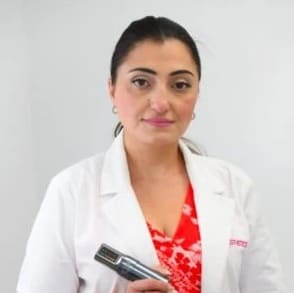
Author: expert Ella Pill
Instagram: @ella_permanentmakeup
21 years in the beauty industry. An expert in permanent makeup for Eyebrows, Lips, and Eyeliner.
No, microblading is not permanent. Microblading is considered a semi-permanent eyebrow enhancement because pigment is placed more superficially than in a traditional tattoo, so the color fades over time instead of staying unchanged for life. According to the American Academy of Dermatology, microblading isn’t permanent like a tattoo, and longevity can be closer to 6 months to 1 year in some cases, while consumer and clinic sources often describe results lasting 12 to 24 months or longer depending on skin type, technique, aftercare, and lifestyle.
For most clients, the better question is not “Is microblading permanent?” but “How long will microblading last on my skin?” The answer depends on how oily or dry your skin is, how well you heal, how carefully you follow aftercare, and how often your brows are exposed to sun, exfoliants, sweat, and skin treatments.
Microblading is a semi-permanent cosmetic tattoo technique for eyebrows. A trained artist creates tiny hair-like strokes and deposits pigment into the skin to improve brow shape, fullness, and symmetry. The goal is to create brows that look more defined but still natural, especially for people with sparse brows, uneven arches, or areas of overplucking.
The reason microblading fades is simple: the pigment does not behave like a deep traditional tattoo. Traditional tattoo ink is placed deeper in the skin and is designed to remain long term. Microblading pigment sits more superficially, which allows the strokes to soften and lighten as the skin naturally renews itself.
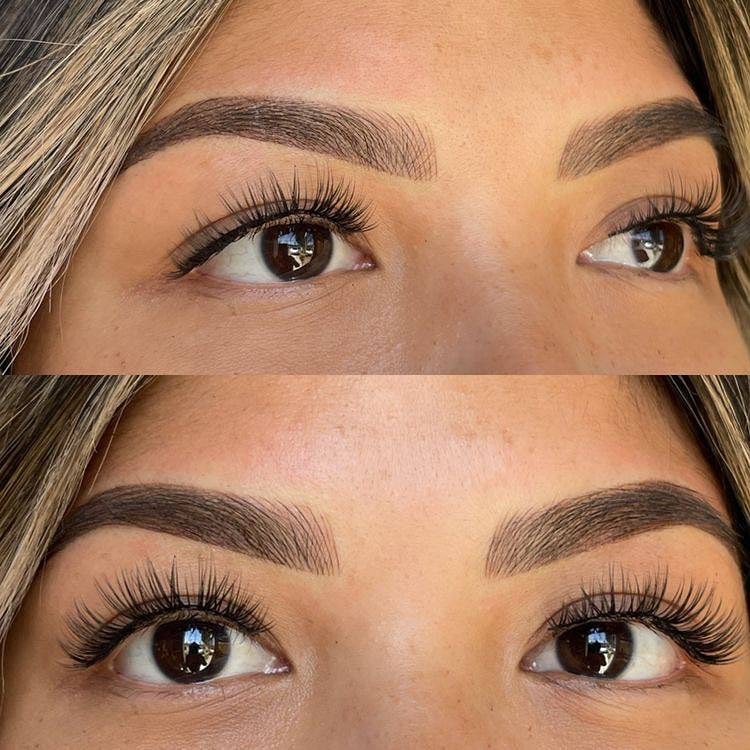
Microblading is semi-permanent, not permanent. That distinction matters because many clients expect tattoo-like longevity, but microblading is designed to fade gradually. This fading is not a flaw. In many cases, it is an advantage because brow shape, color preference, and facial style can change over time.
A permanent eyebrow tattoo is usually deeper, more saturated, and less flexible over time. Microblading is softer, more natural-looking, and easier to refresh. If a client wants airy, hair-like brows rather than a solid tattooed effect, microblading is often the better match.
Microblading results can last anywhere from about 6 months to 24 months or more, depending on the source and the individual. The American Academy of Dermatology points to about 6 months to a year, while other reputable sources commonly cite 12 to 24 months, and some consumer medical sources mention 18 to 30 months in certain cases. The practical takeaway is that microblading longevity varies widely, and no ethical artist should promise the exact same timeline for every skin type.
Most clients also need a perfecting session after the initial procedure. Sources commonly place that first touch-up around 4 to 8 weeks after the first appointment, once the brows have healed and any lighter areas can be adjusted.
1. Skin type
Oily skin usually holds crisp hair strokes for a shorter time. Increased oil production can blur strokes faster and break down pigment more quickly. Dry to normal skin often retains definition longer and may heal with sharper, cleaner-looking results.
2. Aftercare
Aftercare has a direct effect on pigment retention. Keeping brows too wet too early, picking at scabs, scratching, or ignoring healing instructions can lead to uneven healing and faster fading. Several sources also note that excessive moisture in the first healing phase can affect results.
3. Sun exposure
UV exposure is one of the most common reasons microblading fades faster. Sunlight can weaken pigment over time, especially if the brow area is not protected after healing. That is why artists often recommend limiting direct sun exposure during healing and using sunscreen later to help preserve color.
4. Skincare products and treatments
Retinol, acids, chemical peels, microdermabrasion, exfoliants, and some laser-based or resurfacing treatments can make microblading fade sooner because these treatments increase skin turnover. If a client uses active skincare regularly, the brow area may need more frequent maintenance.
5. Lifestyle
Frequent sweating, swimming, chlorine exposure, salt water, and high outdoor activity can all reduce longevity. Smoking is also mentioned by salon sources as a factor that may interfere with healing, particularly in the early stage.
6. Artist technique and pigment choice
Microblading longevity depends not only on your skin but also on how the procedure is performed. The American Academy of Dermatology notes that complications can include misapplied pigment, pigment migration, and color changes. Technique, depth, and pigment selection all affect how natural the healed brows look and how evenly they fade.
Microbladed brows usually look darker and bolder right after the procedure. That is normal. Over the next days and weeks, the skin begins to heal, the color softens, and some flaking or dryness can appear. Healthline notes that the skin can start to look healed in about 7 to 14 days, while some salon and clinic sources describe full healing and color settling over 4 to 8 weeks or around 30 days for the outer layer.
A realistic healing timeline matters because some clients panic too early. Brows often look too dark at first, then lighter, then more balanced after healing. That is one reason the follow-up appointment is part of the process rather than an optional extra.
Microblading usually fades significantly, but it may not disappear perfectly or at the same speed everywhere. Some clients experience very soft, even fading, while others notice certain spots retaining pigment longer. That variation depends on skin behavior, healing, pigment, and technique.
This is why maintenance planning matters. Some clients return for a refresh once the strokes become noticeably softer, while others wait until most of the pigment has faded before choosing a new shape or color correction.
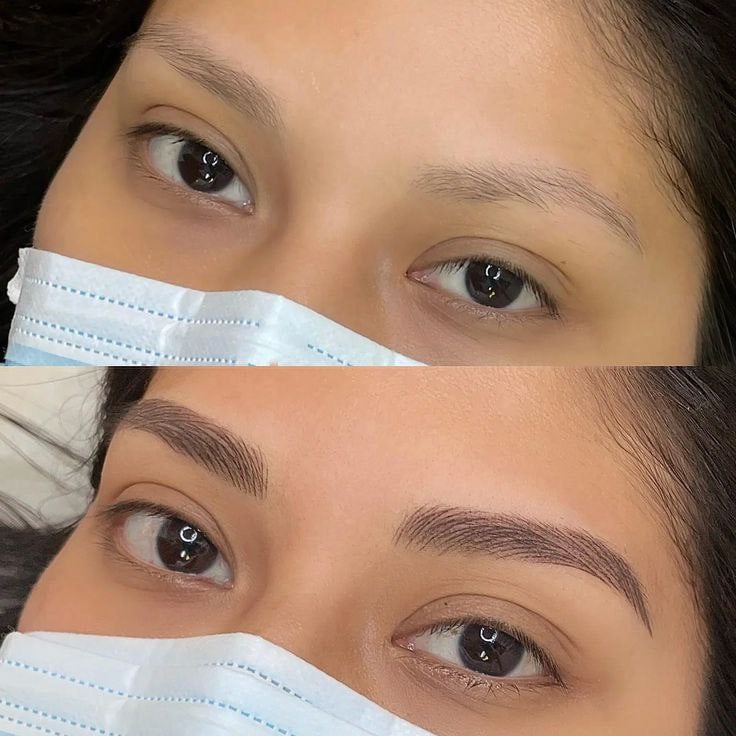
A traditional eyebrow tattoo is usually a better fit for someone who wants deeper, longer-lasting pigment and understands that the look is less flexible. Microblading is better for someone who wants a softer, more natural brow effect and accepts that periodic touch-ups are part of maintaining the result.
If your priority is natural hair-like brows, microblading is often the preferred option. If your priority is maximum longevity, a different permanent makeup technique may be more suitable. The right choice depends on your skin type, style goals, and willingness to maintain the result.
Microblading is often a strong option for people with sparse brows, uneven shape, overplucked areas, or brow loss who want to reduce daily makeup time. The AAD specifically mentions microblading as an option for people seeking a more lasting solution for thin or missing eyebrows, including some patients dealing with eyebrow hair loss.
That said, not every skin type gets the same result. Clients with very oily skin may still choose microblading, but they should understand that strokes may soften faster and maintenance may be needed sooner. A consultation should always include a discussion of skin type, medical history, brow goals, and realistic longevity.
Microblading is not just a beauty trend. It is a procedure that involves cutting the skin and placing pigment, which means safety standards matter. Healthline notes that training and licensing requirements vary by state and that clients should verify provider credentials and safe practices. It also highlights infection, irritation, and allergic reaction as possible complications.
Tool hygiene matters as well. One source states that the instrument used for microblading should be one-time use and disposable, and clients should feel comfortable asking questions if something looks unsafe. Provider skill affects both safety and long-term brow quality.
If your goal is maximum longevity, the best strategy is to combine the right candidate profile with disciplined aftercare. In practical terms, that means avoiding excess moisture during healing, not picking at the brows, keeping active skincare away from the area, reducing early sun exposure, and protecting the brows with sunscreen once healed.
If you use retinol, acids, peels, or frequent resurfacing treatments, tell your artist before booking. If you spend a lot of time outdoors or sweat heavily, expect that you may need maintenance sooner. If you have dry to normal skin and follow aftercare carefully, your result may stay crisp longer.
No, microblading is not permanent. Microblading is a semi-permanent brow procedure that typically needs maintenance over time. For some clients it may fade closer to 6 to 12 months, while for others it can look good much longer, often around 12 to 24 months or more. The biggest factors are skin type, healing, sun exposure, skincare habits, and the quality of the work itself.
If you are considering microblading, the smartest next step is not chasing the longest number online. The smarter step is choosing an experienced brow artist who can assess your skin, explain realistic longevity, and recommend the right brow approach for your goals.
No. Microblading is semi-permanent, while a traditional tattoo is deeper and designed to last much longer.
Results vary, but reputable sources place microblading anywhere from about 6 months to 24 months or longer depending on skin type, technique, and aftercare.
Usually, yes. Oily skin tends to retain crisp strokes for less time than dry or normal skin.
A first touch-up is commonly recommended around 4 to 8 weeks after the initial procedure, once healing is complete enough to refine the result.
Yes. UV exposure can fade pigment faster, especially if the brows are not protected after healing.
Yes. Retinoids, acids, exfoliants, peels, and resurfacing treatments can shorten microblading longevity because they increase skin turnover.
Yes. Possible issues include infection, irritation, allergic reaction, pigment migration, or unwanted color change, which is why provider selection and hygiene are critical.
Welcome to All Esthetics
10 Verbena Ave, Floral Park, NY 11001.
Sign up for Microshading, Microblading, Permanent Makeup Lips…