

Author: expert Ella Pill
Instagram: @ella_permanentmakeup
21 years in the beauty industry. An expert in permanent makeup for Eyebrows, Lips, and Eyeliner.
Lip fillers are injectable dermal fillers used to add lip volume, improve lip shape, define the vermilion border, and balance lip proportions. For most patients, modern lip filler treatment means hyaluronic acid filler placed during an office visit, with visible results right away, temporary swelling and bruising during healing, and a result that usually needs maintenance over time rather than lasting forever.
Lip fillers are best for people who want more fullness, better symmetry, or more definition without surgery. Lip fillers are not the same as a lip flip or lip lift: filler adds structure and volume, a lip flip changes upper-lip muscle behavior with botulinum toxin, and a lip lift is a surgical procedure.
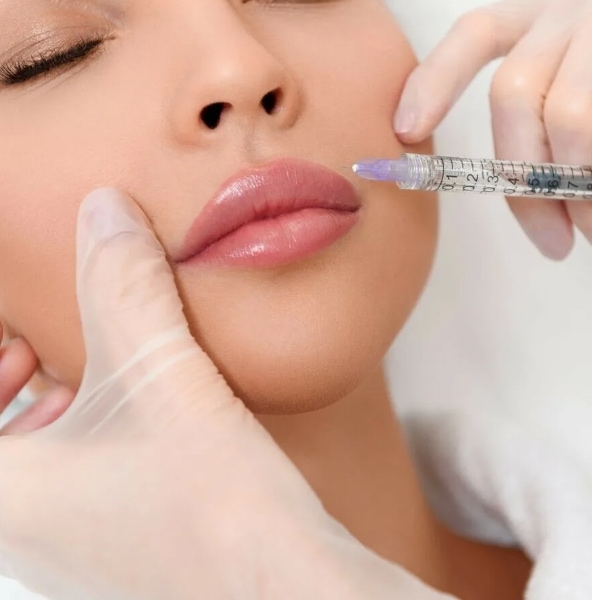
Lip fillers are a type of dermal filler injected into the lips to enhance volume, contour, and shape. In the United States, the most common fillers used for lips are hyaluronic acid fillers because hyaluronic acid can add softness and hydration-like fullness, can be adjusted more precisely, and can often be dissolved with hyaluronidase if correction is needed.
Hyaluronic acid lip fillers are considered minimally invasive, which is one reason they remain popular. Most appointments take about 15 to 30 minutes, and many patients return to normal daily activity the same day, although swelling, tenderness, and bruising are common early recovery effects.
Lip fillers solve several different aesthetic concerns, not just “small lips.” Lip filler treatment can increase lip volume, improve upper-to-lower lip balance, sharpen the lip border, soften age-related deflation, and reduce the appearance of fine vertical lines around the mouth when the right filler and injection plan are chosen.
Lip fillers can also help patients whose main concern is proportion rather than size. For example, a patient may want a flatter upper lip to project slightly more, a blurred cupid’s bow to look more defined, or asymmetry between the left and right side to look less noticeable. In those cases, the treatment goal is shape correction, not simply adding as much filler as possible.
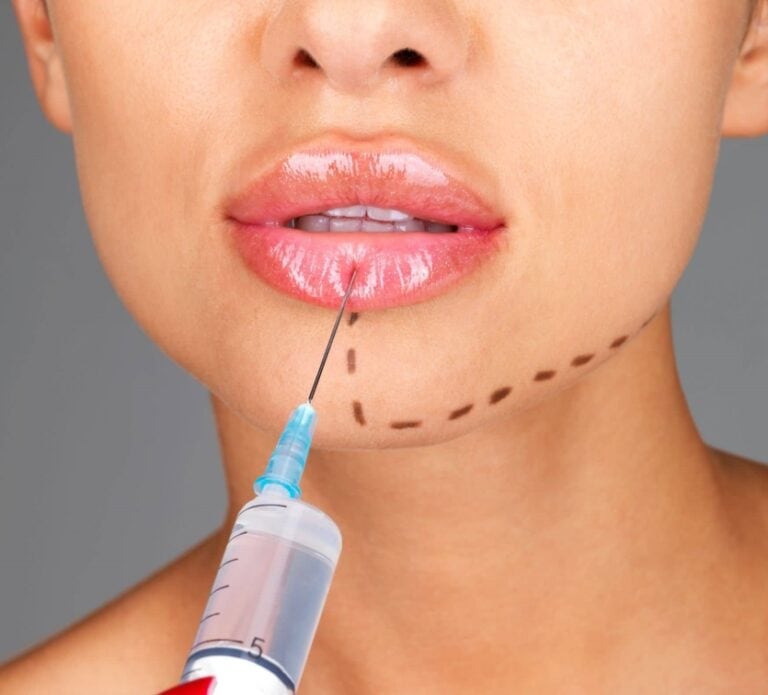
Hyaluronic acid fillers are the main category used for lip enhancement today. They are popular because they can provide a soft feel, immediate visible change, and more flexibility if a patient needs refinement or reversal.
Different hyaluronic acid fillers have different rheologic properties, which means they vary in softness, firmness, spread, lift capacity, and water attraction. In practice, that affects whether a filler is better for subtle hydration-style enhancement, border definition, structural support, or more visible plumping.
Most lip filler results are temporary, and lips usually keep filler for a shorter time than some other facial areas. A practical expectation for many patients is about six months to one year, although product choice, metabolism, movement of the lips, treatment volume, and individual tissue behavior can all affect duration.
Most lip filler results are temporary, and lips usually keep filler for a shorter time than some other facial areas. A practical expectation for many patients is about six months to one year, although product choice, metabolism, movement of the lips, treatment volume, and individual tissue behavior can all affect duration.
In modern aesthetic practice, dissolvable hyaluronic acid fillers are generally preferred for the lips because correction is possible if the result is overdone, uneven, or medically urgent. That matters because lips are mobile, vascular tissue, and the ability to dissolve filler is a major safety advantage compared with non-dissolvable or unapproved products.
A proper lip filler appointment starts with consultation, not injection. A qualified injector should review your medical history, allergies, past filler history, aesthetic goals, facial proportions, and the difference between what filler can improve and what it cannot realistically change.
A good consultation also includes product selection and safety screening. The FDA advises patients not to buy filler online and emphasizes that fillers should be used only by licensed healthcare professionals, because counterfeit or unapproved products create additional risks.
Lip filler treatment is usually performed in-office. The injector cleans the area, may apply topical numbing or use a filler that already contains lidocaine, and then places small amounts of filler at planned points to shape, support, and volumize the lips based on the patient’s anatomy and goal.
The result is visible immediately, but the “final look” is not immediate because swelling can temporarily make lips look larger, firmer, or less even than they will after healing. This is why experienced injectors and medical organizations recommend evaluating results after the initial swelling settles rather than judging the outcome on the same day.
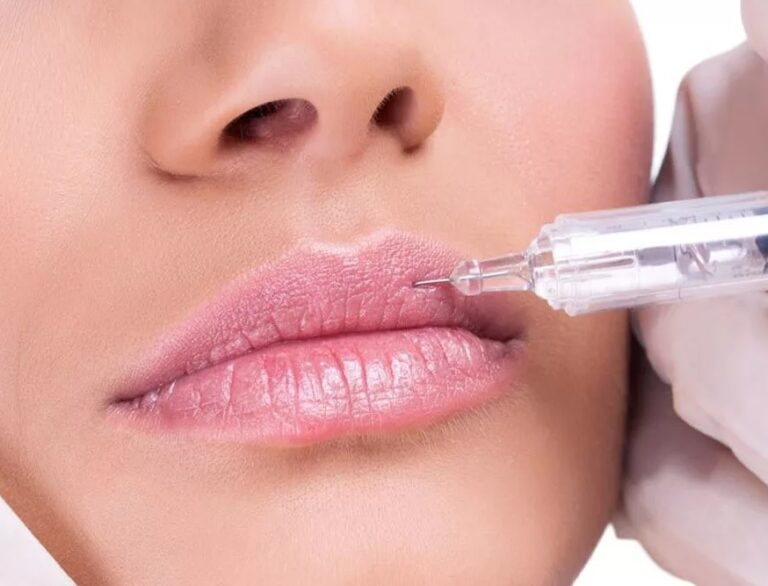
Most patients should expect swelling, tenderness, and sometimes bruising after lip filler injections. Early swelling often improves within 24 to 48 hours, but some swelling can last up to a week, and fuller settling may take two to four weeks as the filler integrates into the tissue.
A follow-up visit is common because lips may need assessment after healing. Some patients need a small refinement rather than a full second treatment, especially when the initial goal was conservative enhancement or when swelling made the lips look temporarily uneven.
First 24 hours: lips may feel tight, swollen, and tender, and small bruises may begin to appear.
Days 2 to 7: most obvious swelling and bruising gradually improve, though the lips may still look slightly overfilled or irregular during healing.
Weeks 2 to 4: the lips usually look more settled, softer, and closer to the true result.
The main benefit of lip fillers is controlled, customizable enhancement without surgery. Patients can usually choose between subtle refinement and more noticeable fullness, and results can often be built gradually over multiple visits instead of making one aggressive change.
Another major benefit is reversibility when hyaluronic acid filler is used. That does not make treatment risk-free, but it does provide a useful corrective option for aesthetic dissatisfaction, asymmetry, certain lumps, and some urgent vascular complications when handled promptly by a qualified clinician.
Lip fillers also appeal to patients because they offer quick treatment with little downtime. Many people return to everyday activities the same day, which is one reason filler remains a common choice for patients who want lip enhancement without surgical recovery.
Common lip filler side effects include swelling, redness, tenderness, bruising, itching, firmness, and temporary lumps or bumps. These effects are usually mild to moderate and often improve within days to about one to two weeks, depending on the patient and the injection pattern.
Some patients also notice temporary asymmetry or an “overfilled” look during early recovery. That does not always mean the filler was placed incorrectly, because swelling itself can distort symmetry in the first days after treatment.
The most serious filler complication is unintentional injection into a blood vessel. The FDA warns that vascular occlusion can block blood flow and lead to skin necrosis, vision problems including blindness, or stroke, which is why injector training and anatomy knowledge matter so much.
Serious side effects can also appear later, not only immediately after treatment. FDA materials note that some complications may emerge weeks, months, or even years later, which is one reason patients should keep treatment records and return to qualified medical providers if unusual swelling, nodules, discoloration, or pain develops.
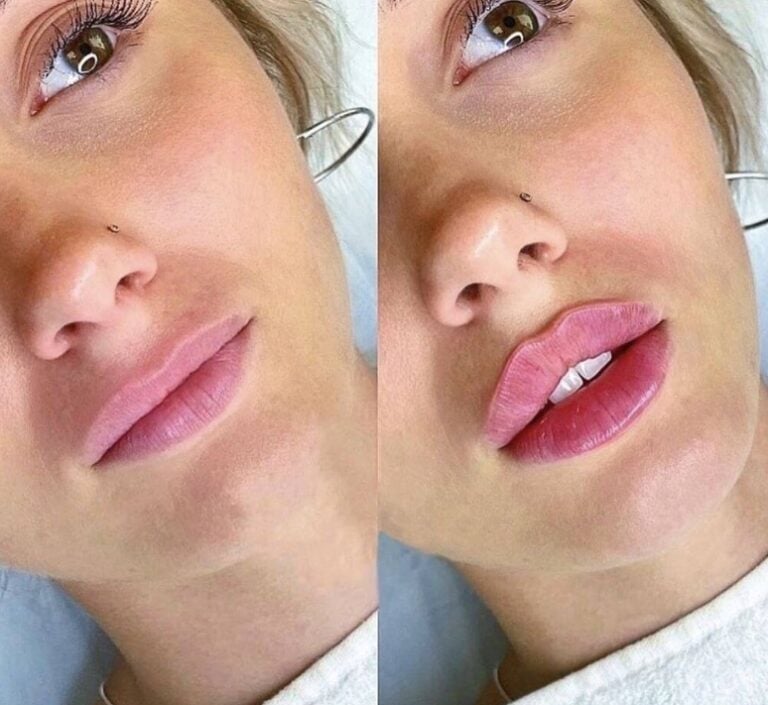
A good lip filler candidate usually wants temporary enhancement, realistic improvement, and a non-surgical procedure. Patients who want more volume, better border definition, correction of mild asymmetry, or restoration of age-related lip deflation often fit this category well.
Patients who want a small, staged change are often especially good candidates because lips tend to look best when treatment respects facial proportions. Conservative lip filler planning usually produces a result that looks more balanced at rest and more natural in motion.
Lip filler is not ideal for everyone. Patients with active infection near the mouth, certain allergy histories, unrealistic expectations, or interest in unapproved or bargain filler products need extra caution or postponement, and patients seeking a permanent change may be better served by discussing surgical options instead of repeating temporary filler.
If the main goal is lip eversion without adding volume, a lip flip may be a more suitable option than lip filler. If the goal is a permanent structural change in lip show or philtral distance, a surgical lip lift may be more appropriate than repeated injections.
Lip fillers vs lip flip
Lip fillers add volume and structure. A lip flip uses botulinum toxin to relax part of the upper lip so it rolls outward slightly, creating the appearance of more lip without truly adding volume.
If you want more fullness: lip filler is usually the better option.
If you want a subtle upper-lip roll with no added bulk: a lip flip may fit better.
Lip fillers vs lip lift
Lip fillers are injectable and temporary. A lip lift is surgery, and it changes lip position by removing skin and shortening the space between the nose and upper lip.
If you want a reversible, office-based treatment: lip filler is usually the better entry point.
If you want a permanent structural change: a surgical consultation may make more sense.
Lip fillers usually last less time in the lips than in lower-movement facial areas. A practical range for many patients is about six months to one year, although some effects may appear to persist longer depending on product behavior, metabolism, and tissue response.
Patients should plan for maintenance instead of expecting a one-time permanent outcome. That maintenance pattern is one of the key trade-offs of lip filler: it offers flexibility and reversibility, but it also means repeated treatments if you want to keep the result.
The single most important safety decision is who performs the injection. The AAD recommends seeing a doctor with expertise in fillers, and the FDA warns against online or unapproved filler products because both injector skill and product legitimacy directly affect safety.
It is also important to choose a provider who understands facial anatomy, complication management, and follow-up care. Mayo Clinic specifically notes that clinical training is essential to prevent or treat complications such as retinal vascular blockage, where urgent treatment may be needed to reduce the risk of blindness.
Lip fillers can be safe when FDA-approved products are injected by qualified licensed medical professionals, but they are not risk-free. Common side effects are usually temporary, while rare vascular complications can be serious and require urgent treatment.
Lip filler treatment can be uncomfortable, but providers often reduce discomfort with numbing measures and fillers that contain lidocaine. After treatment, tenderness and swelling are common for a short period.
You will see a change immediately, but the final result is not judged on day one because swelling can distort the look. For many patients, the lips settle more fully over about two to four weeks.
Hyaluronic acid lip fillers can usually be dissolved with hyaluronidase. That is one of the main reasons hyaluronic acid remains the preferred category for many lip treatments.
Mild swelling, redness, tenderness, bruising, and temporary firmness are common after lip filler. These effects often improve within days and usually settle within about one to two weeks.
Severe pain, skin discoloration, worsening swelling, signs of tissue injury, or vision changes after filler should be treated as urgent warning signs. FDA and Mayo Clinic materials make clear that vascular complications can be serious and time-sensitive.
Welcome to All Esthetics
10 Verbena Ave, Floral Park, NY 11001.
Sign up for Microshading, Microblading, Permanent Makeup Lips…