
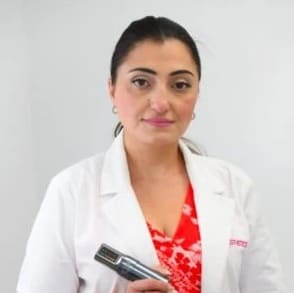
Author: expert Ella Pill
Instagram: @ella_permanentmakeup
21 years in the beauty industry. An expert in permanent makeup for Eyebrows, Lips, and Eyeliner.
Laser eyebrow tattoo removal is a modern way to lighten or remove unwanted pigment after unsuccessful permanent makeup, microblading, or old eyebrow tattooing. The procedure works by using short, high-energy laser pulses that target the pigment in the skin, break it into tiny particles, and allow the body to gradually eliminate them naturally. That is why the result does not happen instantly but develops step by step over the weeks following each session.
If you are unhappy with the shape of your brows, the color has faded into red, gray, orange, or an overly dark tone, or your aesthetic preferences have simply changed, laser eyebrow removal can be a careful and controlled solution. The key is understanding how the procedure works, how many sessions are usually needed, and what proper aftercare looks like after laser eyebrow tattoo removal.
There are different types of pigment used in the brow area, and this directly affects the removal strategy. Traditional eyebrow tattooing is usually implanted deeper and often lasts longer. Microblading is considered a more superficial technique in which a technician creates hair-like strokes with a handheld tool. Powder brows and machine permanent makeup also have their own characteristics in terms of pigment depth and composition.
That is why eyebrow tattoo removal always requires an individual assessment. The same laser settings are not suitable for every case. The final result depends on the depth of the pigment, its density, its composition, the age of the tattoo, the client’s skin type, and the body’s response to pigment clearance.
The procedure is based on the principle of selective light absorption. The laser energy is absorbed by the pigment while leaving the surrounding skin as intact as possible. Under the laser pulse, the pigment breaks down into much smaller particles. Then, over the following weeks, the lymphatic and immune systems gradually remove those fragmented particles from the body.
That is why the pigment does not disappear completely after the first treatment. In most cases, the brows fade gradually. Sometimes the color changes first, and only then starts losing intensity. This is important for clients to understand: laser eyebrow tattoo removal is not a one-time instant fix, but a treatment course.
The first stage is the consultation. A specialist evaluates the shape, color, and density of the pigment, asks how the brows were originally done, how much time has passed since the procedure, and whether there is a history of scarring, skin sensitivity, or hyperpigmentation. At this stage, expectations are also discussed: whether the goal is complete removal or partial lightening before a correction.
Before the procedure begins, the skin is cleansed. Protective eye coverings are used because the eyebrow area is anatomically delicate and requires extra caution. If needed, a numbing option may be used to reduce discomfort
During the procedure, the specialist treats the brow area with short laser pulses. The sensation is often compared to the snap of a rubber band against the skin. The session itself is usually quick and often takes about 15 to 30 minutes depending on the size of the area and the complexity of the pigment.
Right after the procedure, it is normal to experience redness, swelling, a warm sensation, and sometimes pinpoint bleeding. These are short-term skin reactions to the treatment. After that, the healing phase begins, and this is when proper aftercare becomes especially important.
One of the most common questions clients ask is how many sessions will be necessary. On average, laser eyebrow tattoo removal takes 3 to 6 sessions, although some cases may require more. If the pigment was placed deeply, packed densely, or contains a more complicated formula, the process may take longer.
The interval between sessions is typically 6 to 8 weeks, and sometimes longer depending on how the skin responds and how quickly the body clears the pigment. These breaks matter because the skin needs time to recover, and the body needs time to eliminate the fragmented particles. Trying to rush the process with sessions too close together is usually not beneficial.
When removing permanent eyebrow makeup, it is important to understand one specific detail: some cosmetic pigments, especially those containing iron oxides, may temporarily change color after the first laser treatment. In some cases, the brows may become darker or shift to black, red, or orange. This does not always mean something has gone wrong. In many cases, it is a normal stage in the pigment breakdown process before further fading occurs.
That is exactly why laser eyebrow tattoo removal requires experience. A qualified specialist should explain the possible color changes in advance and build the treatment plan accordingly, rather than promise a perfect final result after a single session.
In some cases, the brow hairs in the treated area may temporarily turn lighter or appear white. This is usually a temporary effect. Temporary dryness, skin sensitivity, and mild flaking can also occur. This is another reason why careful home aftercare and protection from irritation are so important after laser eyebrow removal.
Aftercare after laser eyebrow tattoo removal directly affects how comfortably the skin heals and how evenly the area recovers. During the first few days after treatment, the skin may feel sensitive, slightly swollen, and red. Small scabs or light flaking may also appear. This is a normal part of the healing process as long as the reaction stays mild and improves gradually.
After treatment, it is important to keep the area clean and dry, use only the products recommended by your specialist, and avoid touching the brows unnecessarily. Do not pick scabs, scratch the skin, try to speed up peeling, or rub the treated area aggressively while washing your face. Any trauma to the skin increases the risk of irritation, uneven healing, and unwanted skin changes.
During the healing period, it is best to avoid direct sun exposure and tanning beds. Once the skin has healed, the area should be protected with a high-SPF sunscreen. It is also recommended to avoid aggressive peels, retinoids, acids, and other irritating skincare products on the treated area until the skin has fully recovered.
For the first several days after the procedure, clients are usually advised to avoid pools, saunas, intense workouts, and anything that causes heavy sweating or additional irritation. Makeup should not be applied to the treated area for the period recommended by your specialist. If you have other treatments planned in the brow area, such as peels, facial laser treatments, or injectables, those should be discussed in advance.
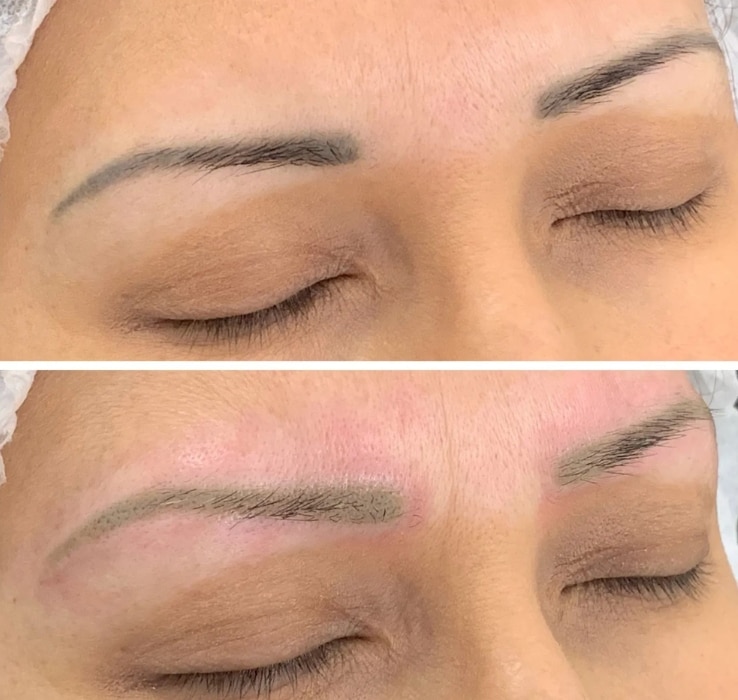
After laser eyebrow tattoo removal, the most common reactions include redness, mild swelling, a feeling of warmth, tenderness to the touch, dryness, small scabs, or light flaking. Some clients also experience a whitening effect immediately after treatment, which is a short-term reaction of the skin and pigment to the laser.
The skin does not fully recover in just one day. Although the more visible reactions usually calm down sooner, the final result of each session should be evaluated only after several weeks, when the skin has healed and the pigment has had time to fade.
Although laser eyebrow tattoo removal is considered a controlled and widely used procedure, more serious symptoms should not be ignored. If pain increases instead of improving, if there is significant swelling, pus, unusual skin discoloration, active oozing, or if the treated area does not seem to improve, you should contact your specialist. Proper support after the procedure is an important part of safe pigment removal.
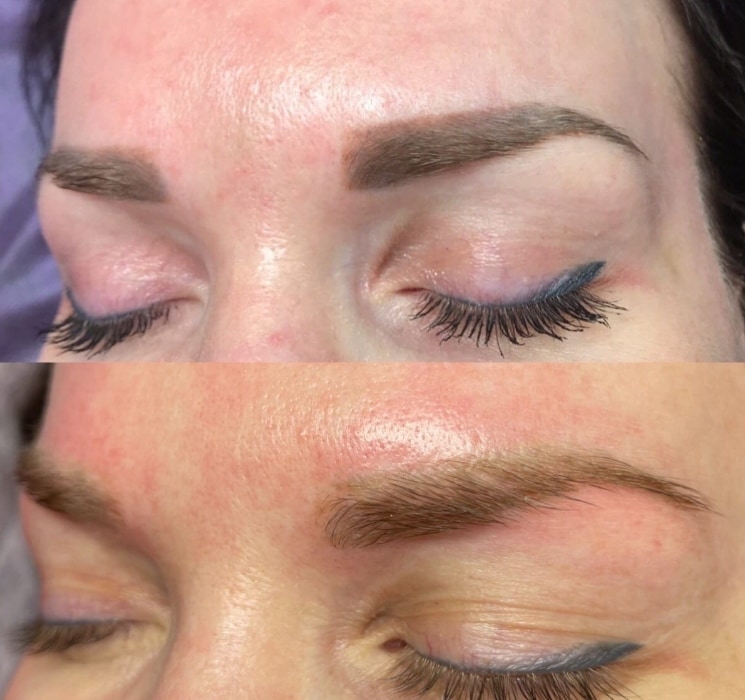
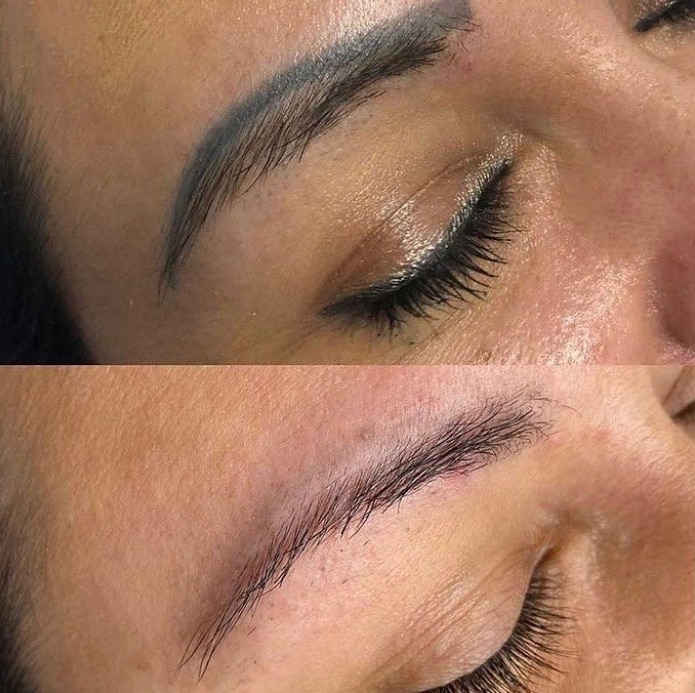
This procedure is most often chosen by clients who are unhappy with the shape, color, or density of an old eyebrow tattoo, want to remove poorly done microblading, correct a pigment that has changed color over time, or prepare the brows for a new and more refined permanent makeup treatment. In some cases, the goal is not full removal but partial fading to create a cleaner base for future correction work.
At the same time, it is important to understand that treatment plans should always be personalized. Not every case requires the same number of sessions, and not every client’s brows will respond at the same speed.
A consultation helps set realistic expectations regarding the timeline, the estimated number of sessions, and the possible pigment response. This is especially important because the expectation of “removing everything in one treatment” often does not match reality. An honest consultation is always about safety, predictability, and a well-planned treatment path.
A specialist should explain how the pigment may behave, which skin reactions are considered normal, how to care for the treated area afterward, and in which situations the client should seek a follow-up evaluation right away.
Laser eyebrow tattoo removal is an effective method for fading and removing unwanted pigment after permanent makeup, microblading, and other brow enhancement techniques. The procedure is performed as a series of treatments, requires time, and depends on disciplined aftercare, but when approached correctly, it can safely and gradually lead to a cleaner and more natural-looking result.
The most important step for any client is not only choosing the procedure itself, but also choosing a specialist who understands eyebrow pigments, works carefully in the delicate eye area, and provides detailed aftercare guidance. The best results come from the combination of the right technology, realistic expectations, and proper healing support.
Welcome to All Esthetics
10 Verbena Ave, Floral Park, NY 11001.
Sign up for Microshading, Microblading, Permanent Makeup Lips…