
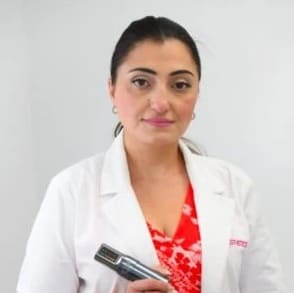
Author: expert Ella Pill
Instagram: @ella_permanentmakeup
21 years in the beauty industry. An expert in permanent makeup for Eyebrows, Lips, and Eyeliner.
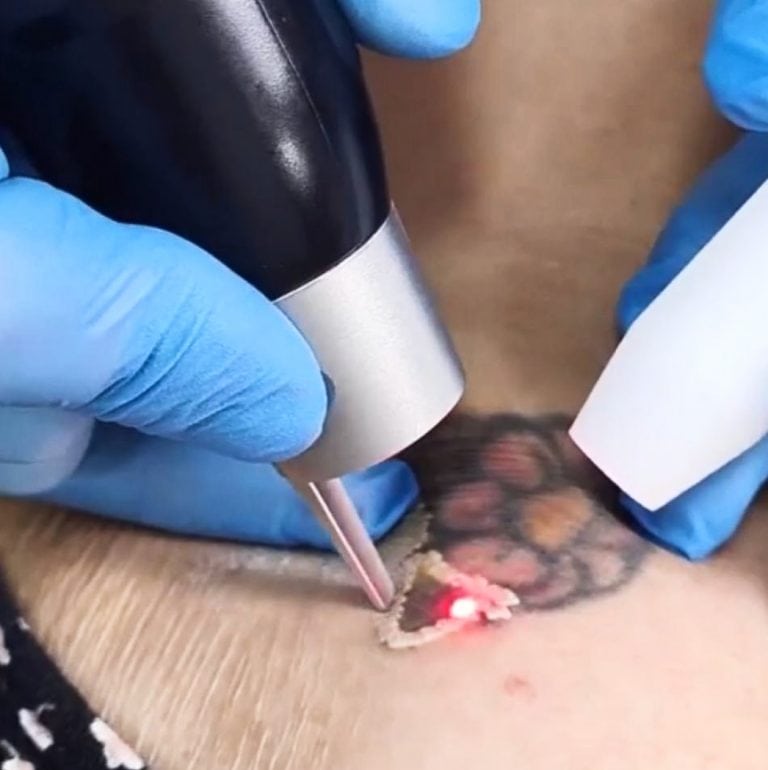
Yes, tattoo removal can be painful, but for most people, it is manageable. The sensation is usually described as a rubber band snapping against the skin, a quick hot sting, or the feeling of a mild grease splatter. The good news is that laser tattoo removal is typically very fast, so even when it hurts, the discomfort usually lasts seconds to a few minutes per session rather than hours. Many patients say it feels less intense overall than getting the tattoo in the first place.
Laser tattoo removal does not feel exactly like tattooing. A tattoo machine creates ongoing, repeated trauma as ink is placed into the skin. Laser removal, by contrast, delivers very short pulses of energy that target the ink. That is why many people describe removal as sharper but briefer. Instead of a long, dragging discomfort, it is more like quick bursts of snapping heat.
Right after the session, the treated area often feels similar to a sunburn. Mild soreness, redness, warmth, and swelling are common at first. For many people, that post-treatment discomfort starts calming down within hours, though the skin can stay irritated for a couple of days as it heals.
Usually, no. Most sources agree that laser tattoo removal tends to hurt less than getting tattooed, mainly because the treatment time is much shorter. A tattoo session can last for hours, while a removal session may take only a few minutes depending on the size of the tattoo. That shorter exposure makes a big difference, even if the sensation itself is unpleasant.
That said, pain is personal. Some people feel laser removal is easier than tattooing, while others think certain spots hurt just as much or more. Anxiety, pain tolerance, body location, and how sensitive your skin is that day can all change the experience.
Pain during tattoo removal is not the same for every tattoo. Several factors affect how intense it feels.
Location matters a lot. Areas where the skin is thin or close to bone usually hurt more. Places with more muscle or fat usually feel easier to treat.
Tattoo size also matters. A very small tattoo may only need a minute or two of laser time, while a larger piece can take much longer in one session.
Ink density and depth can increase discomfort. Professional tattoos often have deeper, more layered pigment, so they may require more laser energy.
Ink color can affect treatment as well. Dark inks like black and dark blue usually respond better to laser treatment, while lighter colors such as yellow or light blue can be more stubborn and may require additional sessions.
Tattoo age can change the experience too. Older tattoos may sometimes be easier to treat because the ink has already begun breaking down naturally over time.
Your individual pain tolerance is another major factor. Stress, fear, and tension can make treatment feel worse, while being calm and prepared can make it more manageable.
The least painful places for tattoo removal are usually the areas with more muscle or fatty tissue. These may include:
These spots tend to tolerate treatment better because they have more cushioning and are often less densely packed with sensitive nerve endings.
Tattoo removal usually hurts more in areas with thinner skin, more nerve endings, or less cushioning between skin and bone. These commonly include:
These areas tend to feel more intense because the laser energy is being delivered where the tissue is naturally more sensitive.
Yes. Pain management is a normal part of professional tattoo removal, and a good provider will help make the session more tolerable.
Common options include:
Topical numbing cream. Lidocaine-based numbing creams are often applied before treatment to reduce the sharpness of the sensation.
Cold air or cooling devices. Some clinics use devices that blow very cold air onto the skin before, during, and after treatment. Ice packs may also be used.
Injectable local anesthetic. For large tattoos or very sensitive areas, some providers may offer lidocaine injections for stronger pain control.
Breaks during treatment. Many patients do better when the provider pauses briefly during the session.
Relaxation techniques. Deep breathing, music, and staying as relaxed as possible can genuinely help lower pain perception.
Some sources also mention acetaminophen before treatment, while advising caution with ibuprofen or aspirin because they may increase bruising. Patients should always follow the provider’s guidance rather than self-medicating without instructions.
It is normal to have some short-term irritation after laser tattoo removal. Common reactions include:
These reactions do not automatically mean something is wrong. They are often part of the body’s normal response to the laser and the start of the healing process. Initial irritation commonly improves over 24 to 72 hours, though healing of the skin surface can take longer depending on the treatment area and how your body responds.
Pain should gradually improve, not keep getting worse. You should contact your provider if you develop severe or persistent pain, especially if it comes with signs such as:
Those symptoms may point to infection, abnormal inflammation, or another complication that needs medical attention.
Good aftercare can make a real difference in both pain and healing. Most providers recommend cooling the area after treatment, keeping it clean, avoiding unnecessary friction, and protecting it from the sun. Broad-spectrum sunscreen is especially important once the skin is no longer freshly treated, because sun exposure can increase the risk of discoloration.
It is also important not to pick at scabs or pop blisters. That can increase the chance of scarring. Swimming pools, hot tubs, saunas, and soaking the area are usually avoided until the skin has settled. Proper aftercare does not just help comfort; it also helps reduce complications and supports better cosmetic results.
Not necessarily. In fact, alternative methods may be more painful or more damaging.
Dermabrasion physically removes layers of skin. Surgical excision cuts out the tattooed skin and stitches the remaining skin together. Chemical peels and other destructive methods can also injure the skin more aggressively. These options may have a higher risk of scarring and are generally less appealing than modern laser removal for many patients.
Tattoo removal creams and DIY methods are especially misleading. They may irritate the skin, cause burns, rashes, or scars, and they do not reliably reach the pigment deep in the dermis where tattoo ink sits. In other words, “pain-free” products sold for home use are often ineffective at best and harmful at worst.
At All Esthetics, we help clients safely fade or remove unwanted tattoos with a personalized, professional approach. Whether you want to fully remove old ink or lighten a tattoo for a future cover-up, your treatment starts with a detailed consultation based on your tattoo’s size, ink colors, placement, skin type, and goals.
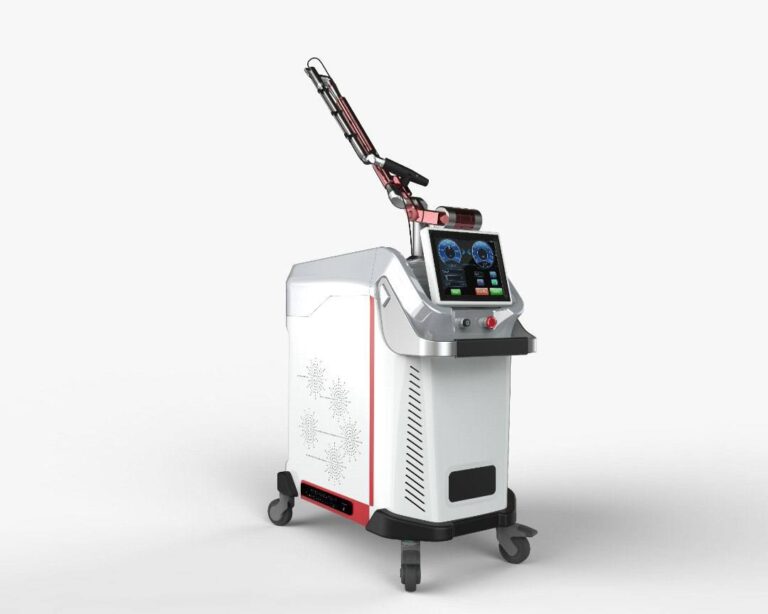
Our laser tattoo removal treatments are performed by a licensed professional with 21 years of beauty industry experience, using advanced PICO #1 Laser Tattoo Removal Machine technology in a clean, sterile environment. We focus on honest guidance, realistic expectations, and treatment plans tailored to your skin rather than generic promises.
Clients choose All Esthetics because we combine modern technology, careful assessment, and clear aftercare support to make the process as safe, precise, and manageable as possible. Conveniently located in Floral Park, NY, just steps from the LIRR station, we welcome clients from Long Island, Queens, Brooklyn, the Bronx, and Manhattan who want expert tattoo removal with a results-driven approach.
Welcome to All Esthetics
10 Verbena Ave, Floral Park, NY 11001.
Sign up for Microshading, Microblading, Permanent Makeup Lips…